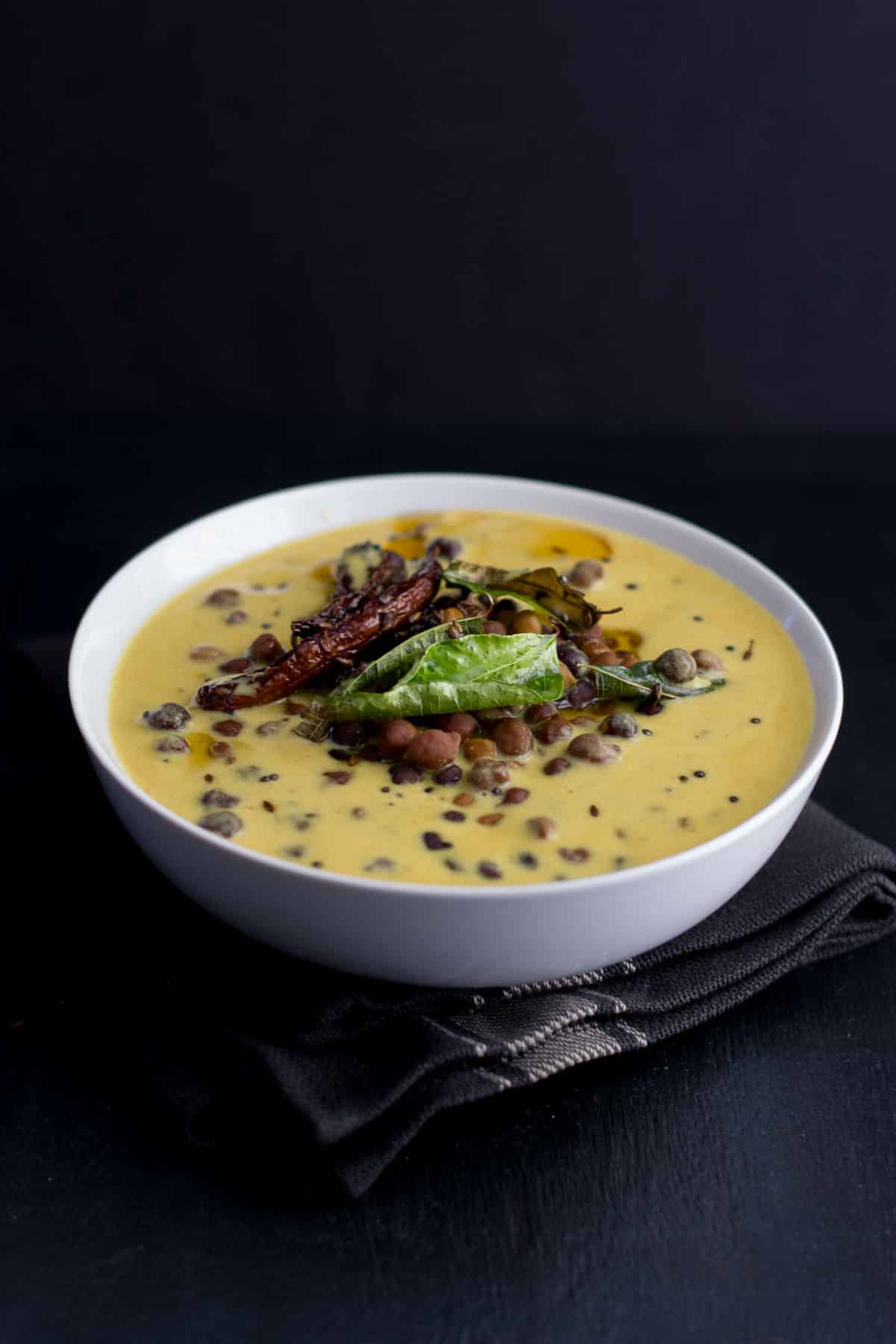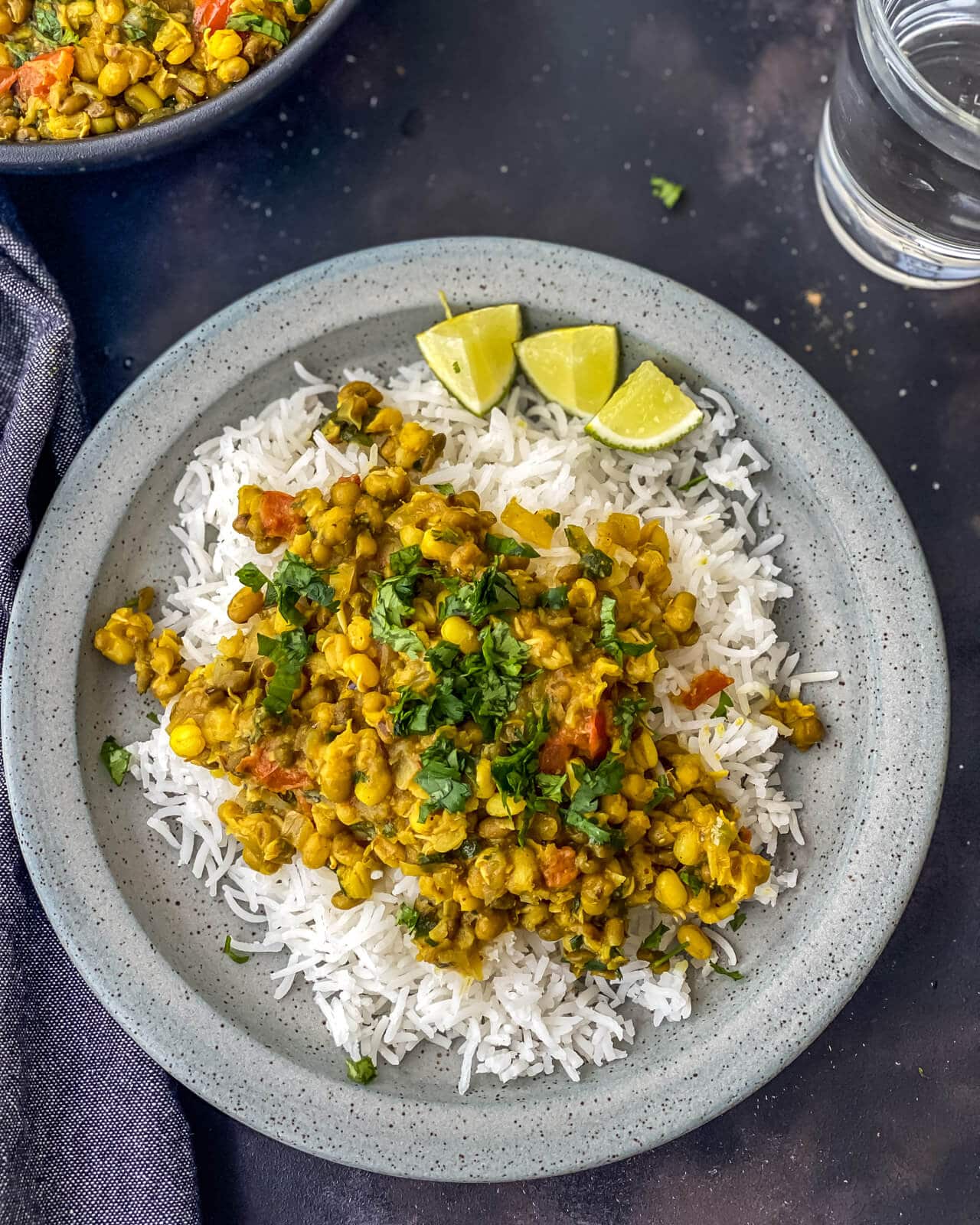
Indian Dal & Legume Recipes
Dal is the constant in an Indian kitchen. The dish that is always there, always dependable, always paired with something else. Split toor dal tempered with ghee and cumin. Whole rajma simmered until the gravy turns deep and glossy. Sambar with its tamarind backbone and drumstick pieces. These are the dishes that hold an Indian meal together.
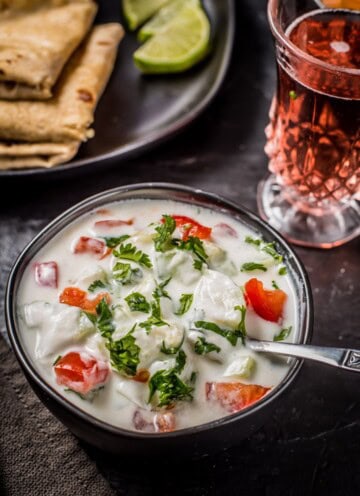
If you are new to cooking dal, the pulse guide is a good place to start. It explains the difference between toor, moong, masoor, channa, and urad so you know what you are working with. Most dals go with rice or roti, with a raita on the side.
Jump to:
START WITH THESE
Most popular dal & legume recipes
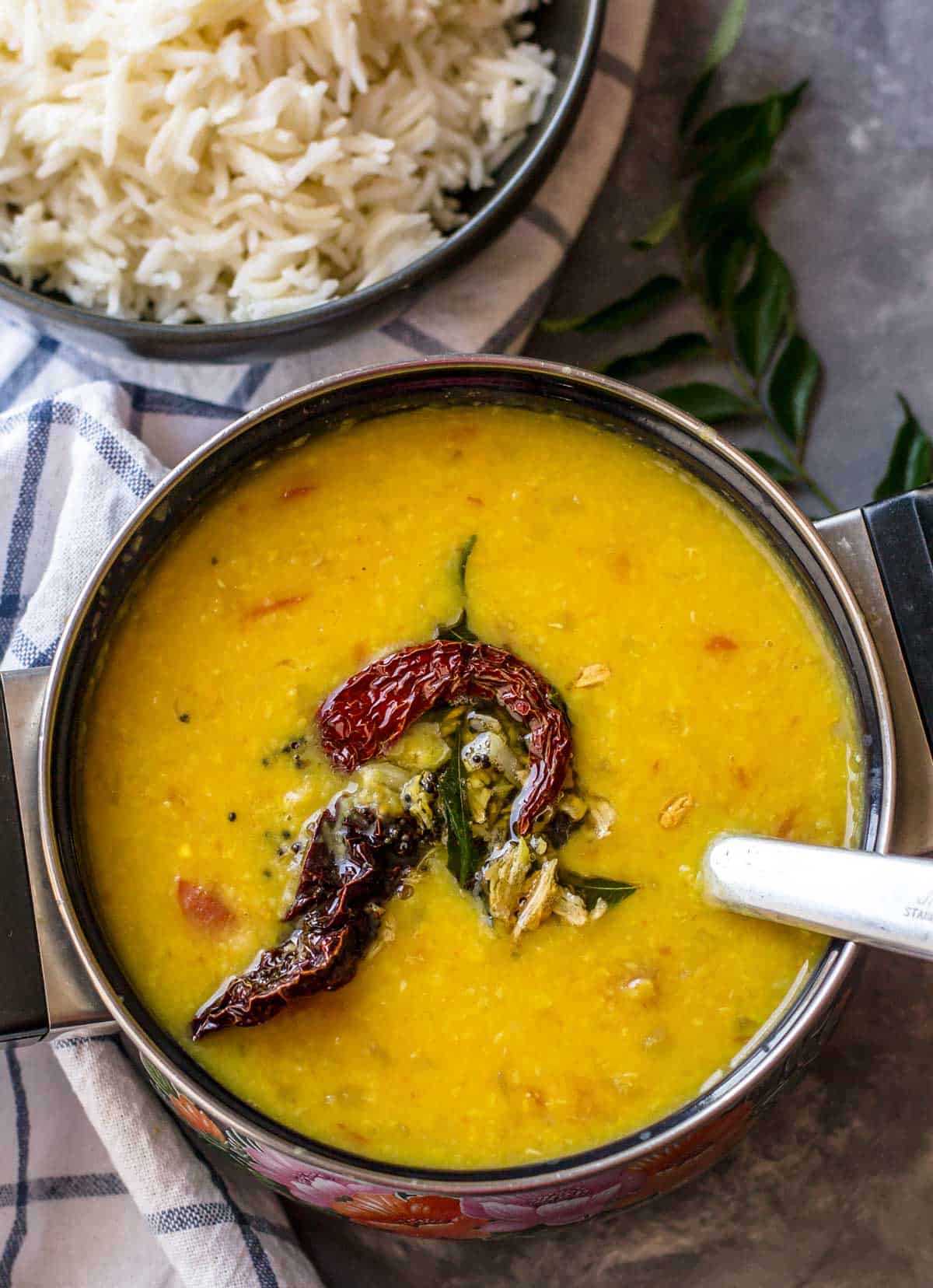
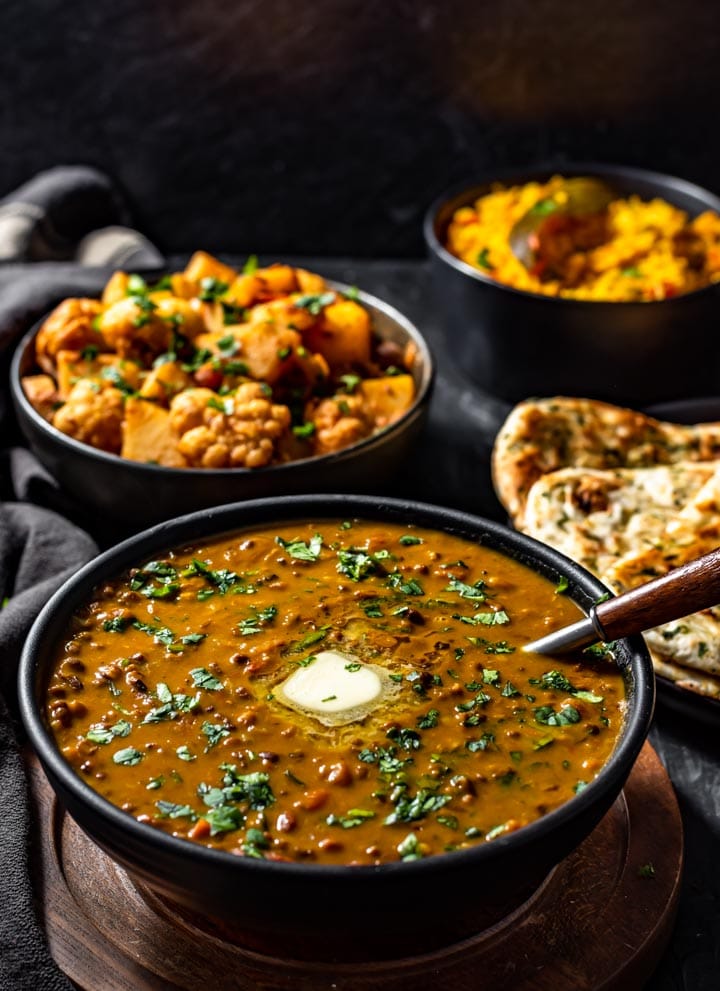
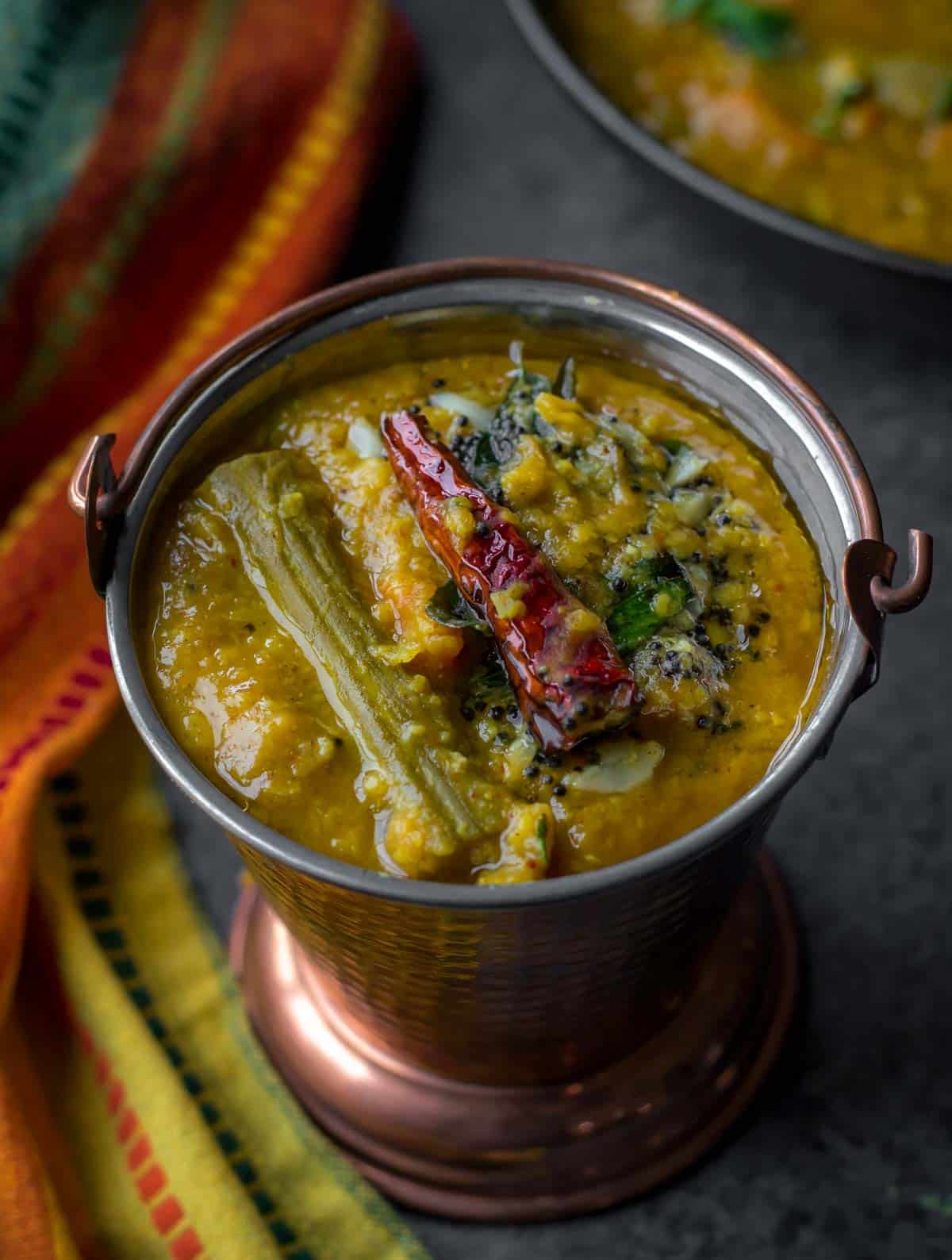
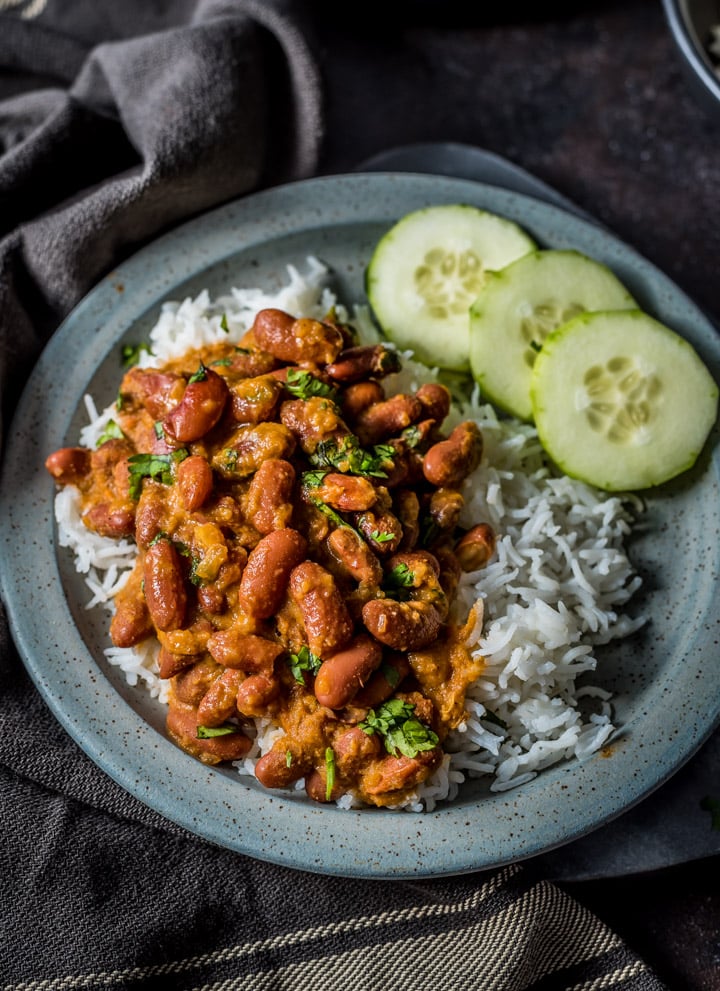
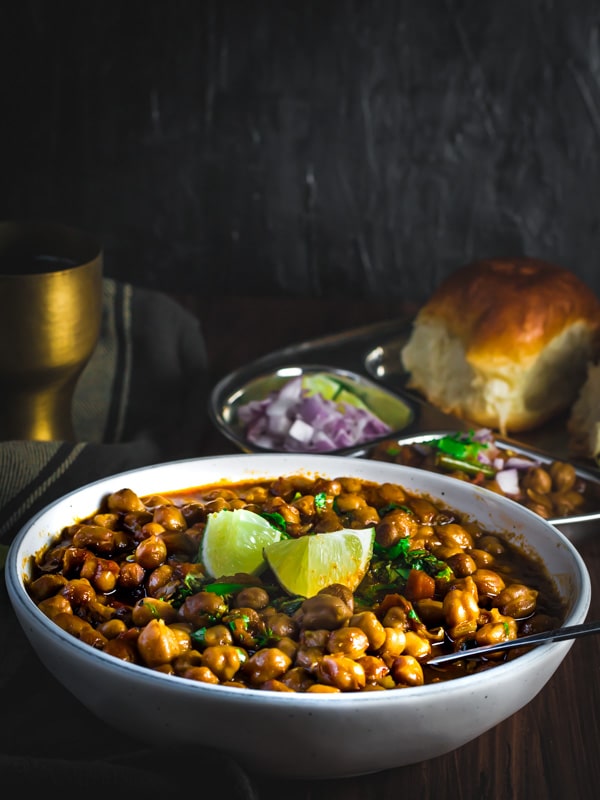
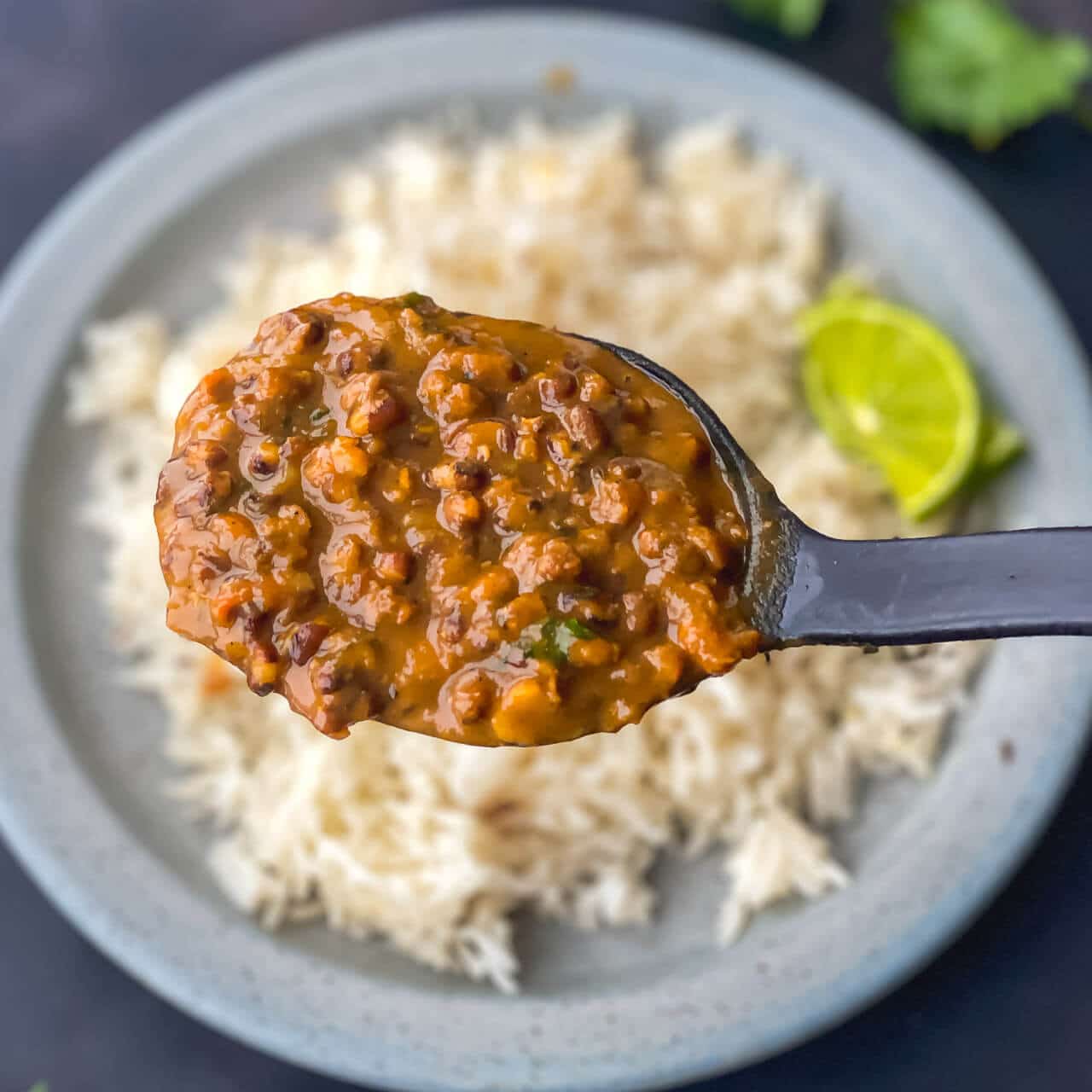
EVERY REGION HAS ITS VERSION
About this collection
If you grew up in an Indian household, you probably had dal at least once a day. I was not always happy about it. Every time I sat down for dinner, I would hope the meal would be something else. Pav bhaji, maybe. Or chicken. Looking at my crestfallen face, my mother would firmly remind me of the kids who did not have access to food, and I would grudgingly clean my plate.
Fast-forward ten years. I am in a rented apartment in the US, looking at the few things in my pantry, wondering what to cook. I had pulses, I had spices, I had a pressure cooker. Tadka dal. An hour later, sitting with a bowl of dal and rice, I finally understood what my mother had known all along.
Dal is not the consolation meal. Dal is the point.
It is the most democratic dish in Indian cooking. Every region has its version. Every household makes it differently. Every cook has an opinion on the ratio of ghee to dal, on whether to pressure-cook or slow-simmer, on what goes into the tadka and in what order. This collection is mine.
BROWSE BY TYPE
Explore dal and legume recipes
Everyday dals
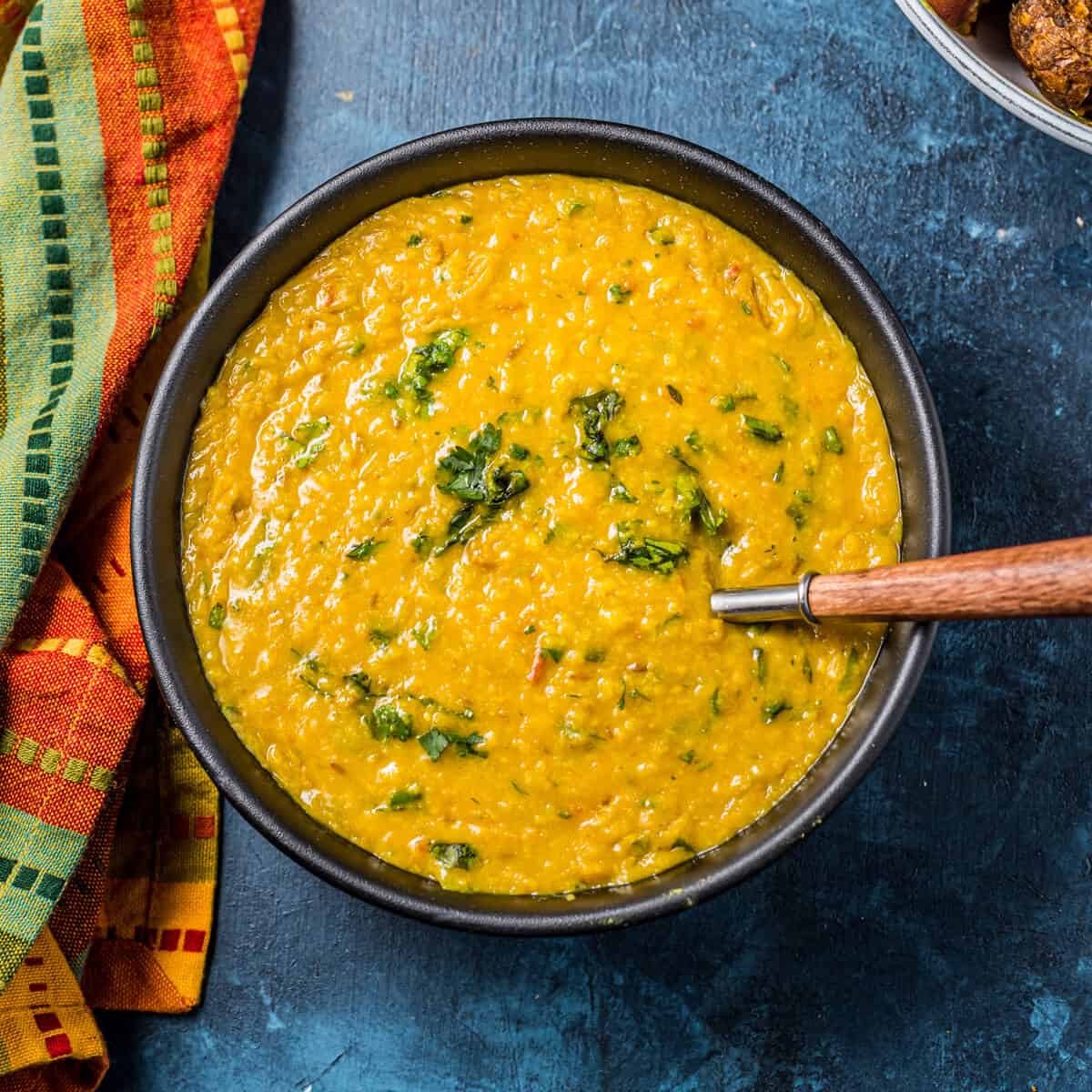
The split dals that cook fast, need little preparation, and form the backbone of Indian weeknight cooking.
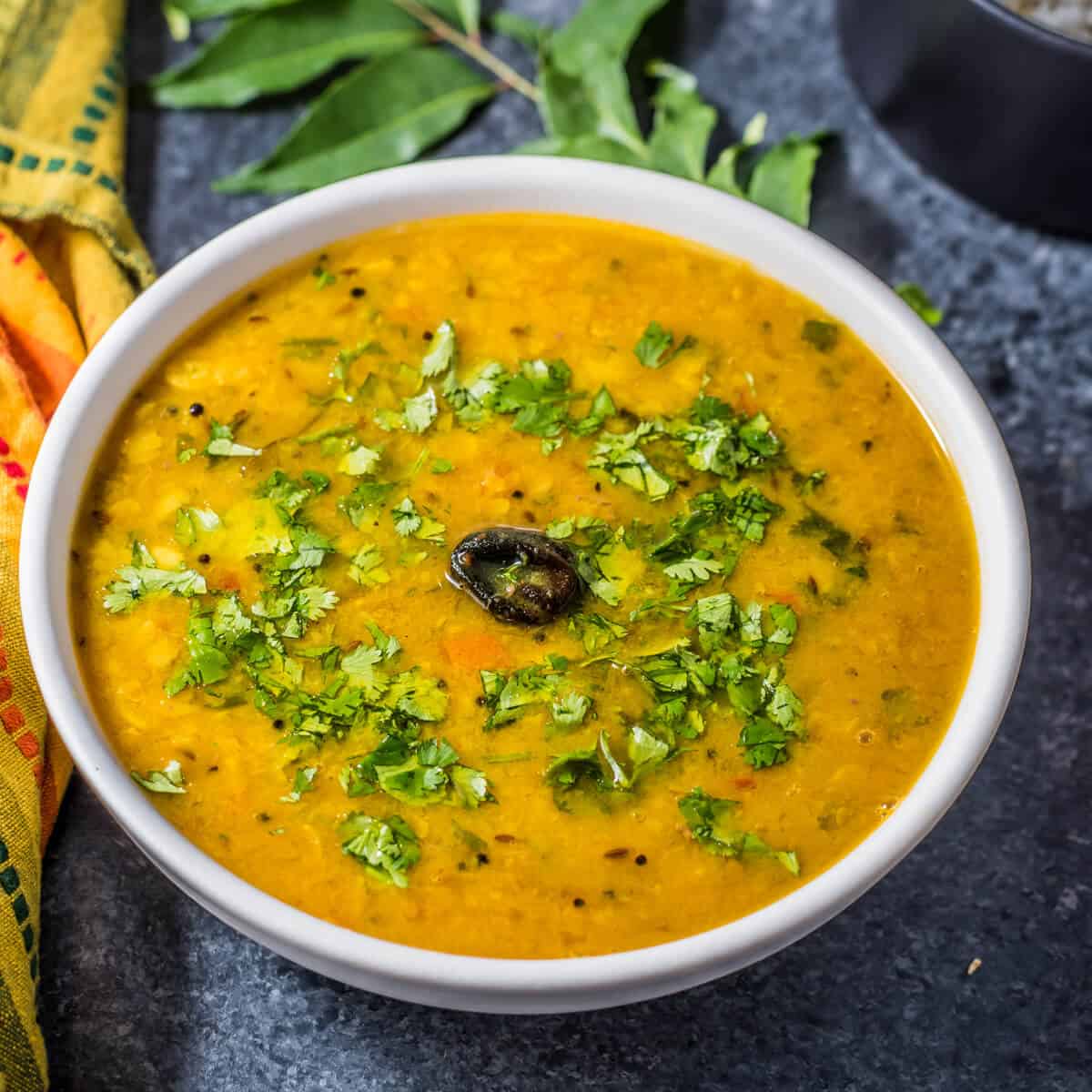
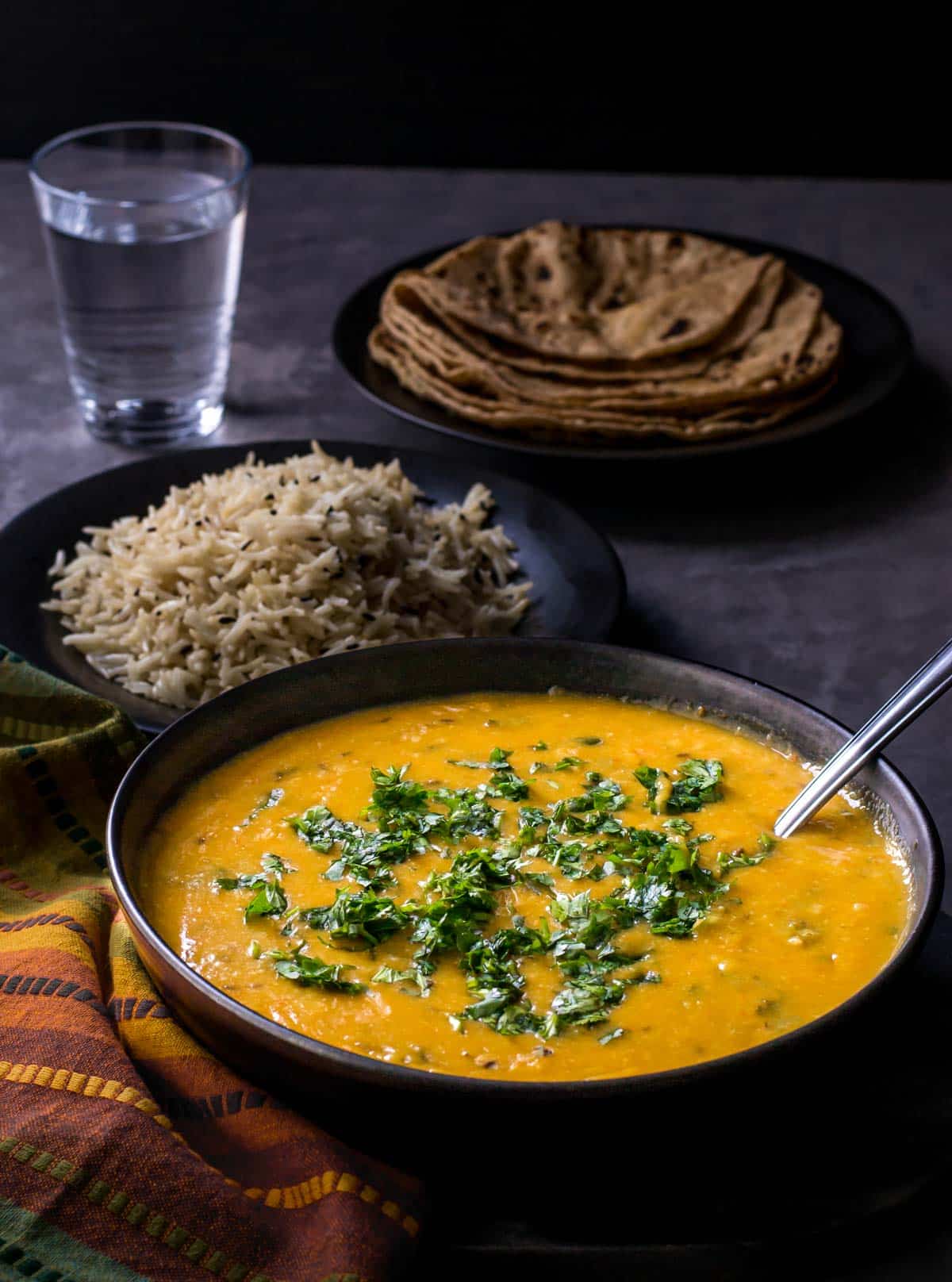
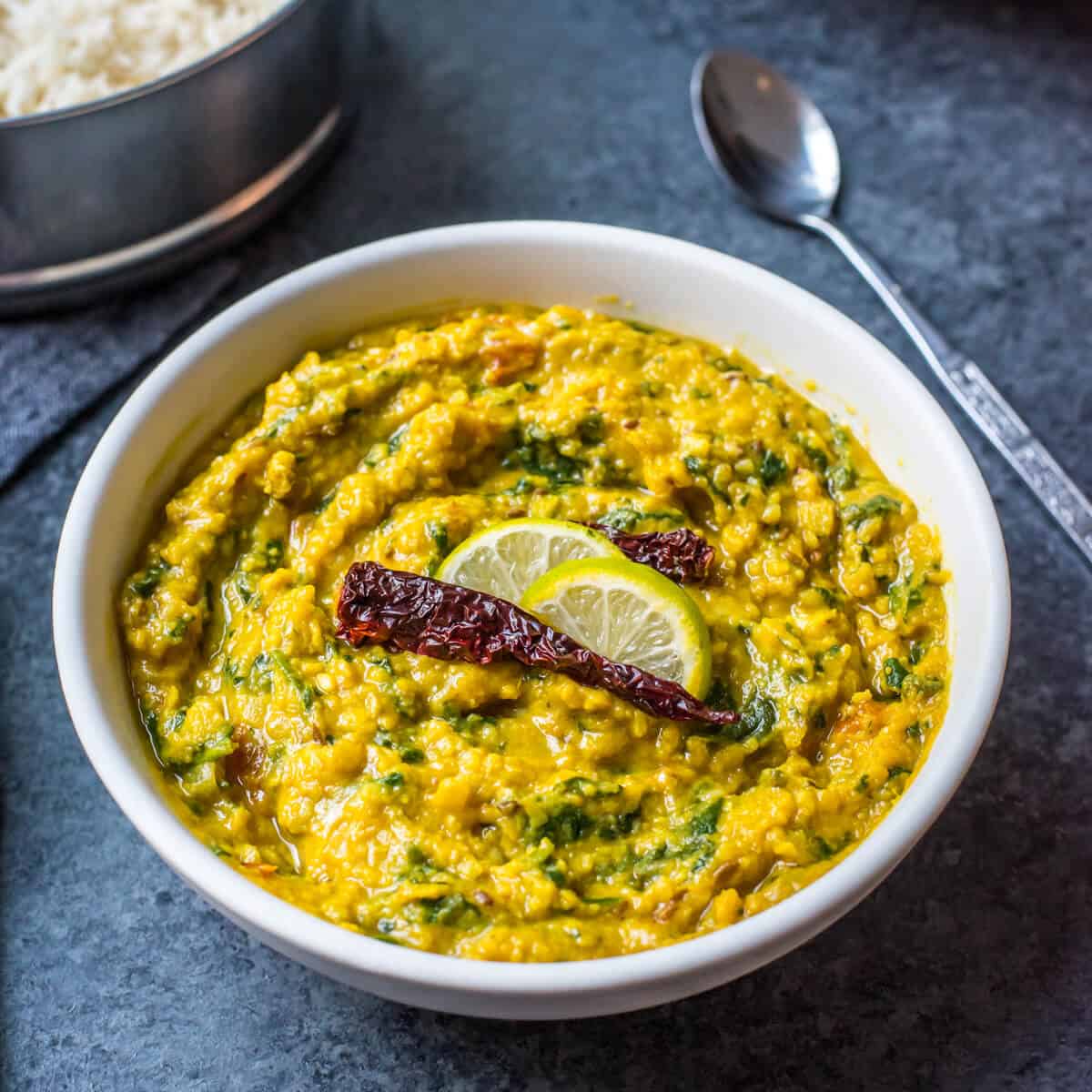
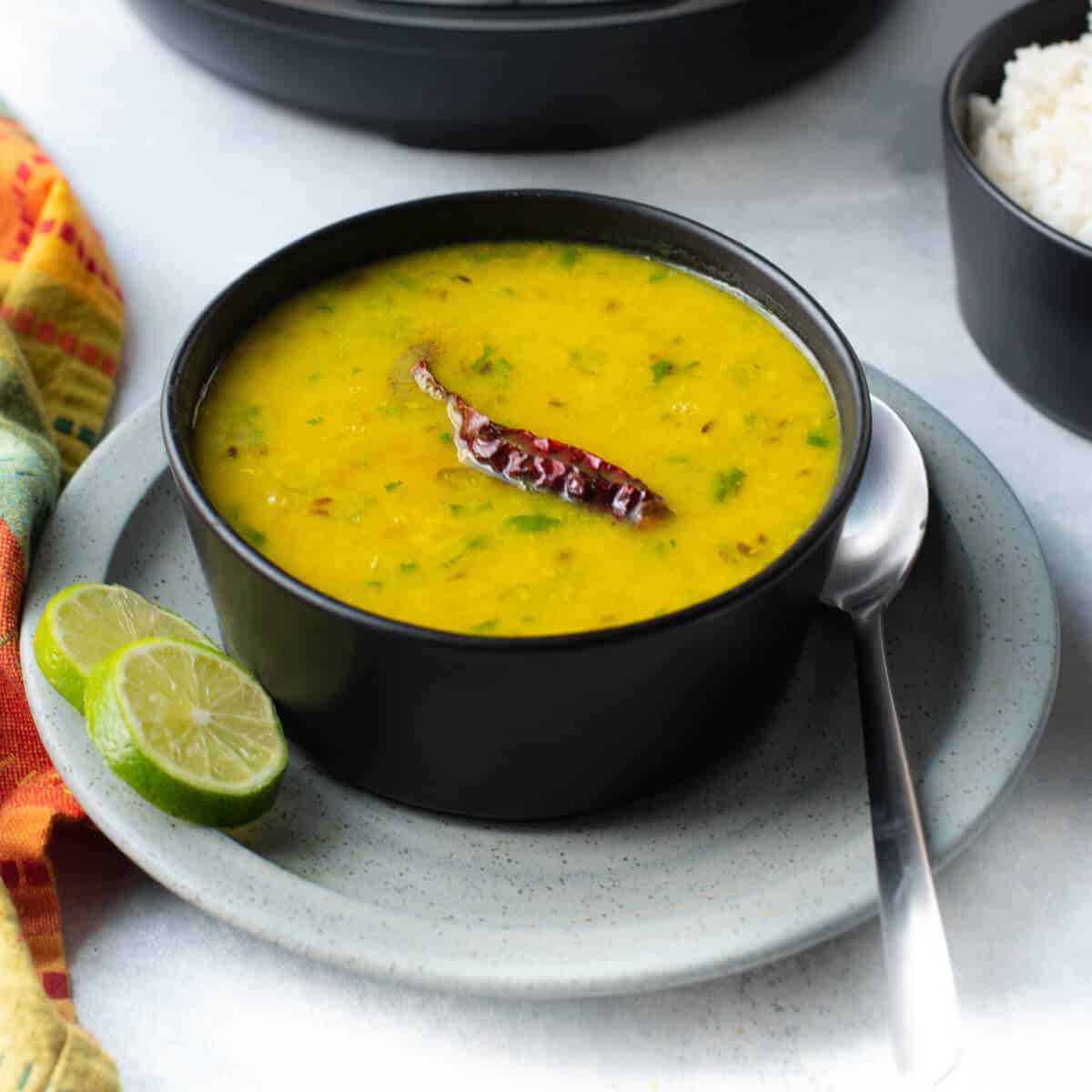
South Indian
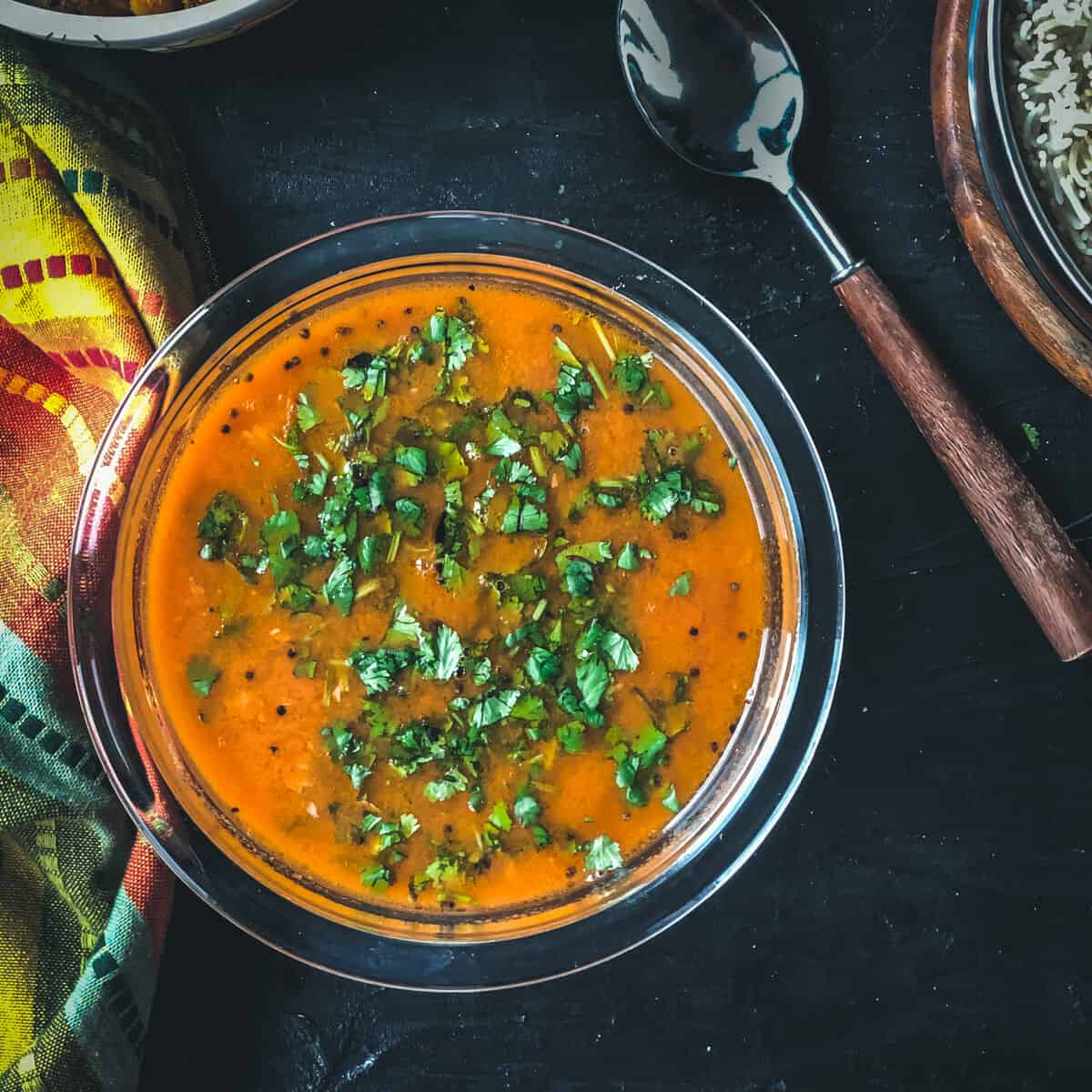
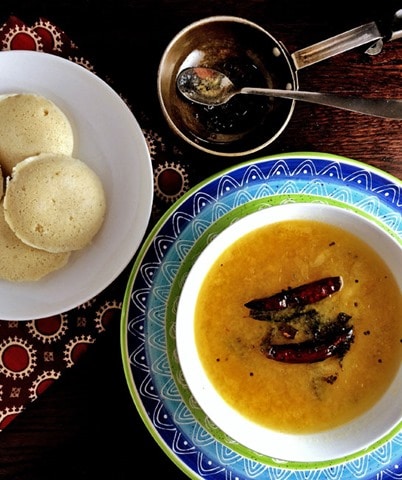
South Indian dals have their own logic entirely. Sambar is a vegetable and lentil soup tempered with mustard seeds, curry leaves, and sambar powder, the constant companion to idli and dosa across South India. Rasam is thinner, sharper, tamarind-forward, and drunk as much as it is eaten with rice. And then there is dal tove, the simplest dal recipe in this collection and one that most people outside Mangalore have never heard of. No tomatoes, no onions, just toor dal, a tempering of ghee and mustard seeds, and red chilli.
Legumes
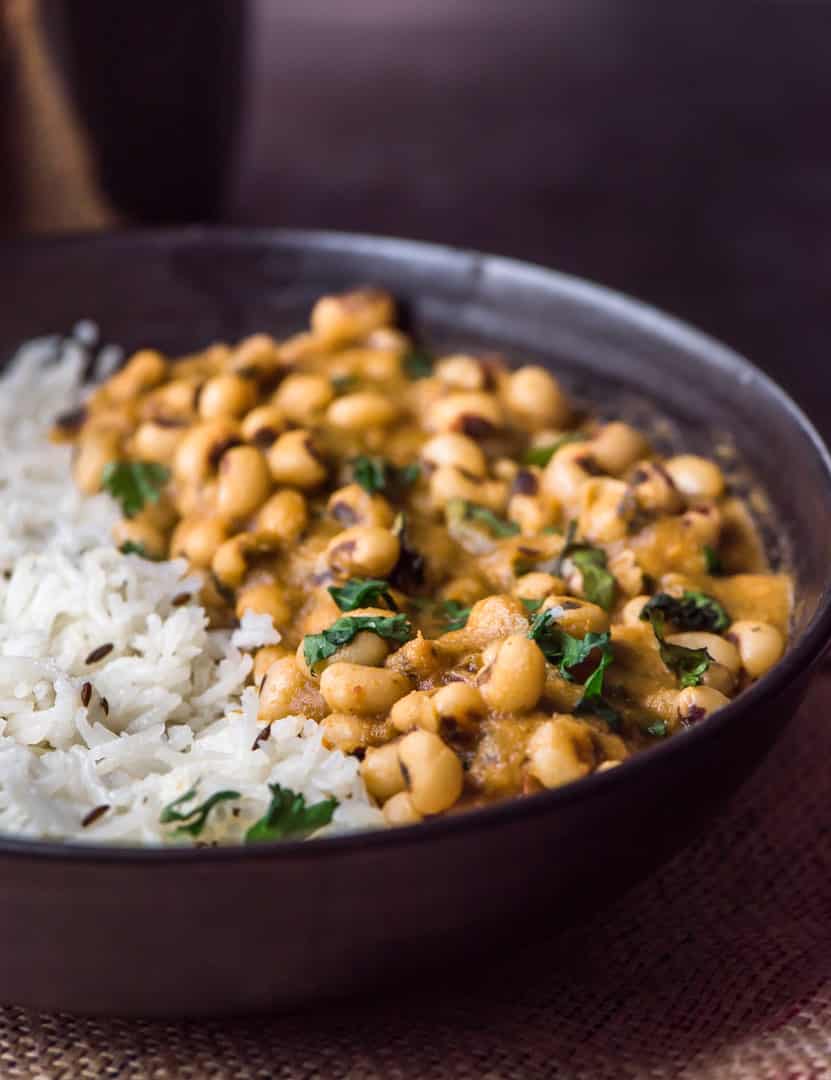
Whole legumes that need soaking, time, and patience. Rajma is the kidney bean curry of North India, best on a Sunday. Chole is the chickpea dish of street food and celebration.
MEAL COMBINATIONS
Build a meal around dal and legumes
- North Indian weeknight → Tadka dal with jeera rice and pickle
- Sunday lunch → Rajma with plain steamed rice and sliced onions
- South Indian morning → Sambar with idlis and coconut chutney
- Quick late-night meal → Rasam with plain rice and a dry vegetable dish (sabzi) on the side
- Special occasion → Dal makhani with jeera rice or naan served with raita
FREQUENTLY ASKED
Questions about Indian dals & legumes
Both use split toor or moong dal as the base. The difference is in the tadka. Dal tadka gets a single tempering of ghee, cumin, and dried red chilli stirred in at the end. Dal fry involves a more elaborate process in which onions, tomatoes, and whole spices are fried separately, and the cooked dal is added to the base and simmered together. Dal fry has a richer, more complex flavour. Dal tadka is faster and perfect for quick weekday meals.
Split and hulled dals such as toor, moong, and masoor do not need soaking. They cook in 2 to 5 minutes in a pressure cooker. Whole legumes such as rajma, chole, and whole urad need overnight soaking. Old dals that have been on the shelf for a year or more also benefit from soaking, as they take much longer to cook.
Two common reasons. First, old dal. Lentils and legumes that have been sitting on the shelf for more than a year can take twice as long to soften. Buy fresh. Second, hard water. High mineral content in tap water slows the softening process. Using filtered water helps.
See the Pulse Guide for a full breakdown. In brief: Toor dal is split pigeon peas, the most common everyday dal in South and West India. Moong dal is split green mung beans, lighter and faster cooking. Masoor is split red lentils, the quickest of all. Channa dal is split chickpeas, nuttier and firmer. Urad dal is split black gram, used whole in dal makhani and split in South Indian cooking.
Yes. Split dals cook in 30 to 40 minutes in a covered pot on a low simmer. Whole legumes like rajma need 2 to 3 hours. Add water as needed and check regularly. The result is the same, just slower.
KEEP EXPLORING
Related Collections
Dal does not exist alone on an Indian table. Tadka dal belongs with jeera rice or roti. Sambar belongs alongside idlis and dosa. Most dal meals are incomplete without cooling raitas on the side. And before you start cooking, the pulse guide will tell you exactly which dal is which.