Indian Starters & Street Food
Mumbai street food is its own world. Every corner has a vendor, every vendor has a queue, and every queue moves faster than it should because everyone already knows what they want.
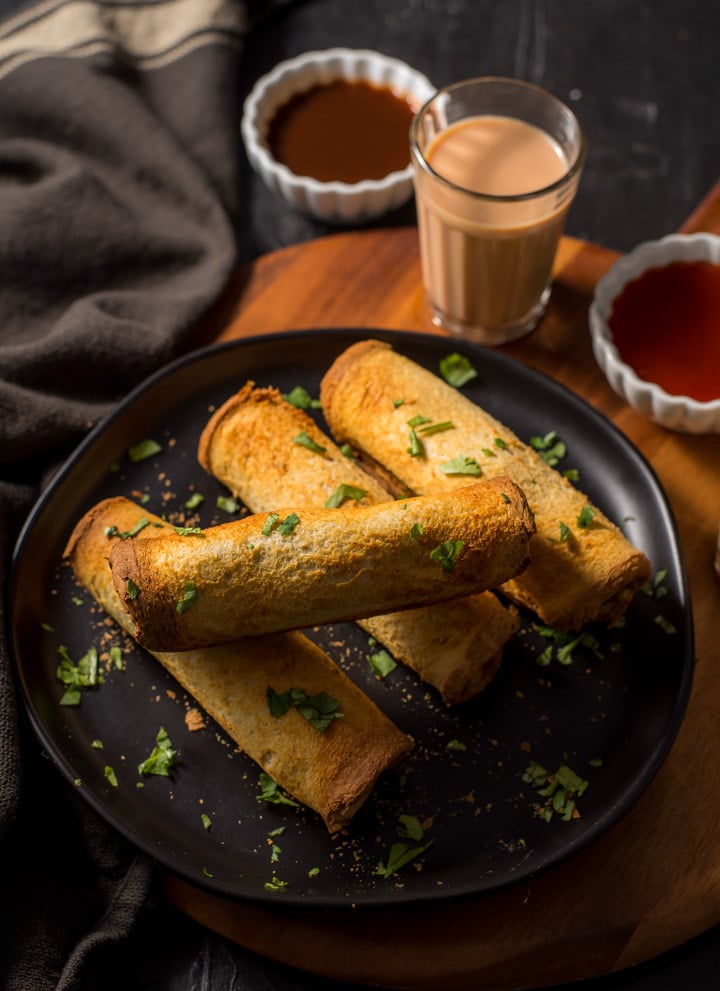
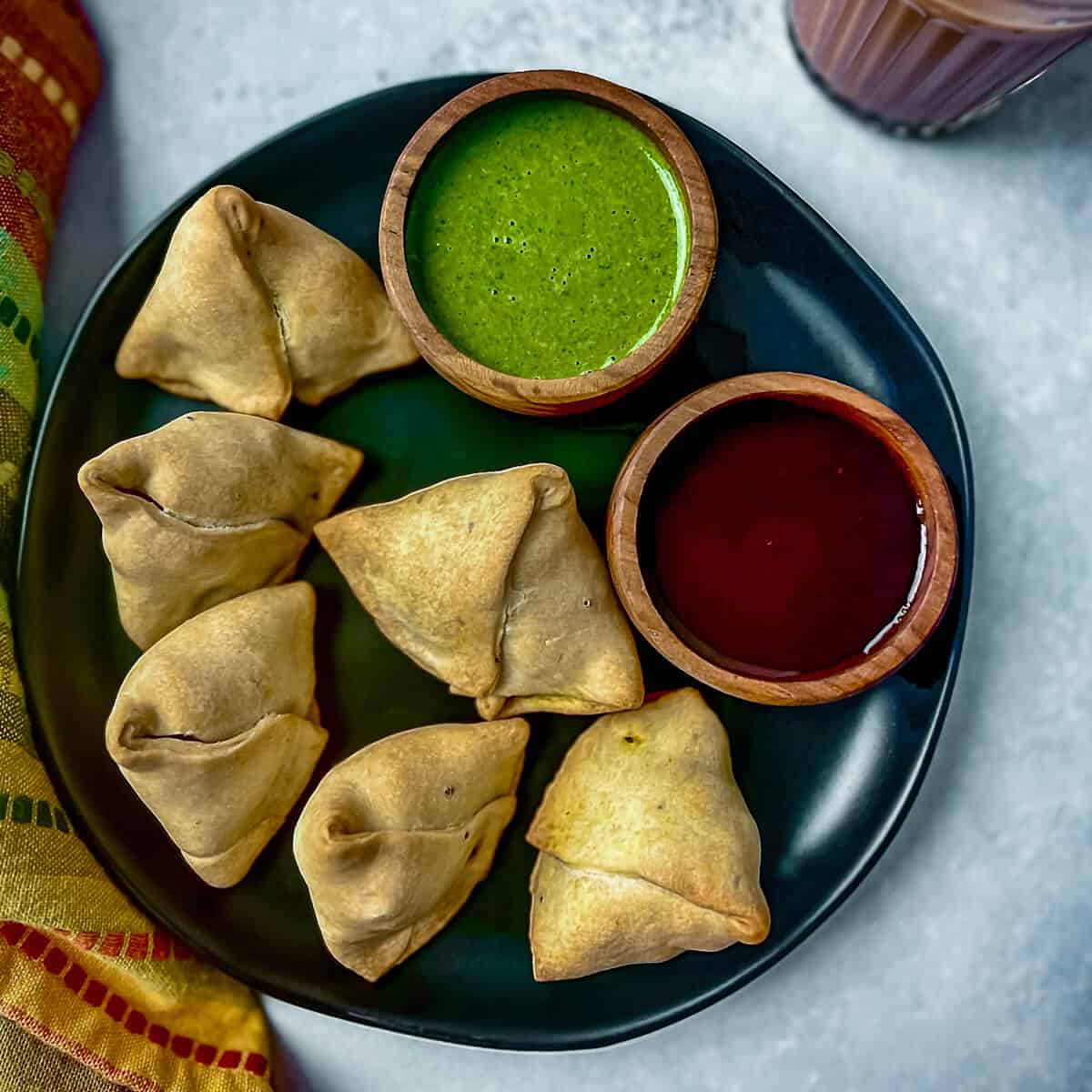
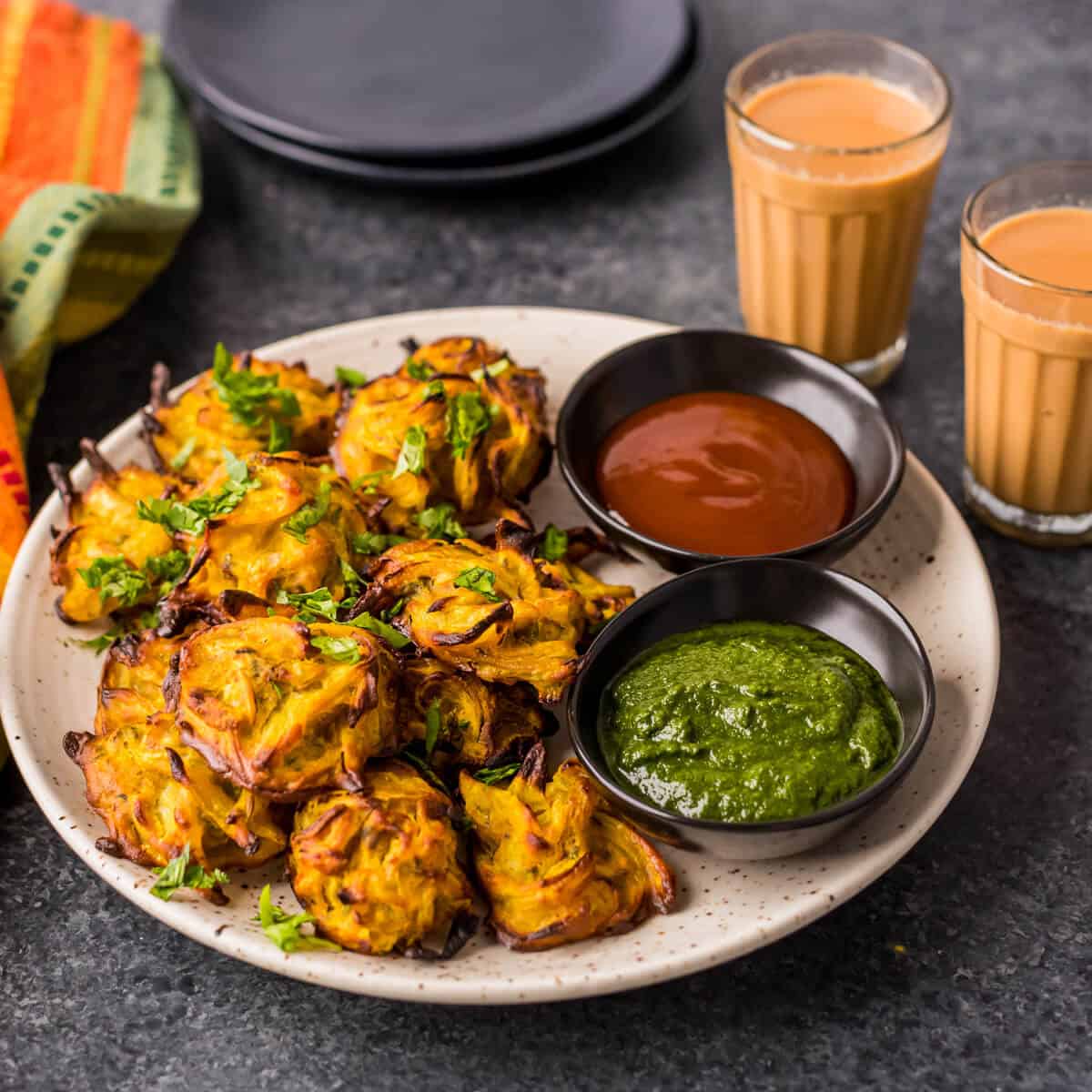
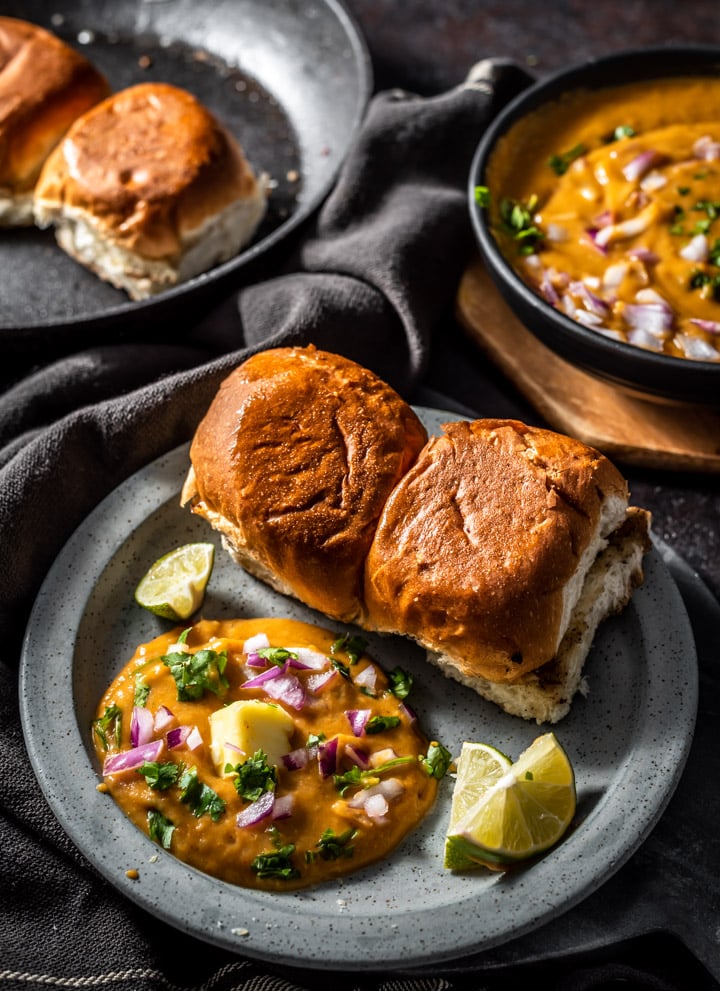
Growing up in Mumbai, I ate samosas almost every week of my life, piping hot from street stalls and college cafeteria counters, paired with masala chai. This collection brings those recipes home. The samosas, the pakoras, the pav bhaji, the vada pav - all of it devoured on the way to college, between tuitions, at every opportunity I got.
And alongside them, the Mangalorean snacks that most people outside Karnataka have never encountered: goli baje, Mysore bonda, Mangalore buns. Most go naturally with chutneys, and a few belong as part of a larger Indian breakfast spread.
Jump to:
START WITH THESE
Six street food & starter recipes worth making
About this collection
My father used to call me vada pav because of my obsession with it.
Every day after engineering college, on my way home, I would stop for a five-rupee vada pav. The spicy potato fritter stuffed inside a soft bread roll, a smear of dry garlic chutney on the bread, eaten standing up at the stall. It was the best five rupees I ever spent.
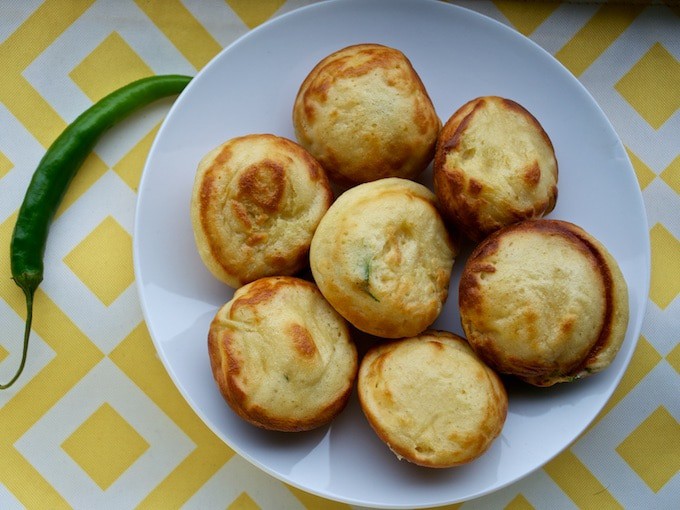
But Mumbai street food was only one part of my snacking life. Whenever I visited Mangalore, my father would take a trip to the pente (the marketplace) and come back with Mysore bonda and goli baje, still piping hot, wrapped in newspaper. Goli baje especially. Soft, lightly fermented, fried until just golden, eaten with coconut chutney. The kind of snack you eat four of before you realise what has happened.
He is no longer here. But every time I make goli baje, every time I visit Mangalore, those trips to the pente come back. The food carries him. This collection is both of those things: Mumbai street food and Mangalorean snacks that most people outside Karnataka have never encountered. The samosa and the goli baje. Two cities, two traditions, one collection.
BROWSE BY TYPE
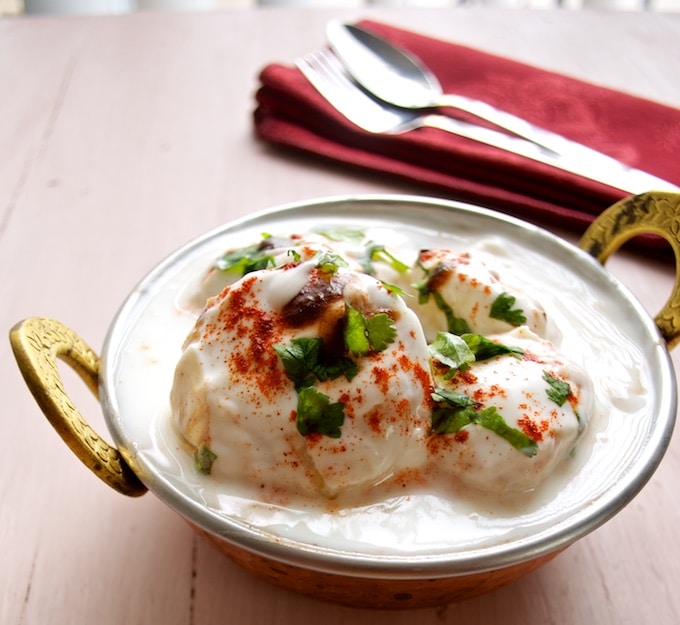
Mumbai & North Indian Street Food
The street food and snacks of Mumbai and North India. Samosas and pakoras are the defining snacks of Indian chai time. Pav bhaji is the Mumbai street food that became a home staple. Most of these are best served with chutneys - tamarind chutney and mint chutney are the two you need.
Mangalorean snacks
The snacks of the Tulu Nadu coast. Goli baje, Mysore bonda, Mangalore buns eaten piping hot, straight from the pan, the kind of thing that melts in your mouth and makes it very hard to stop at one.
Tandoori & Grilled
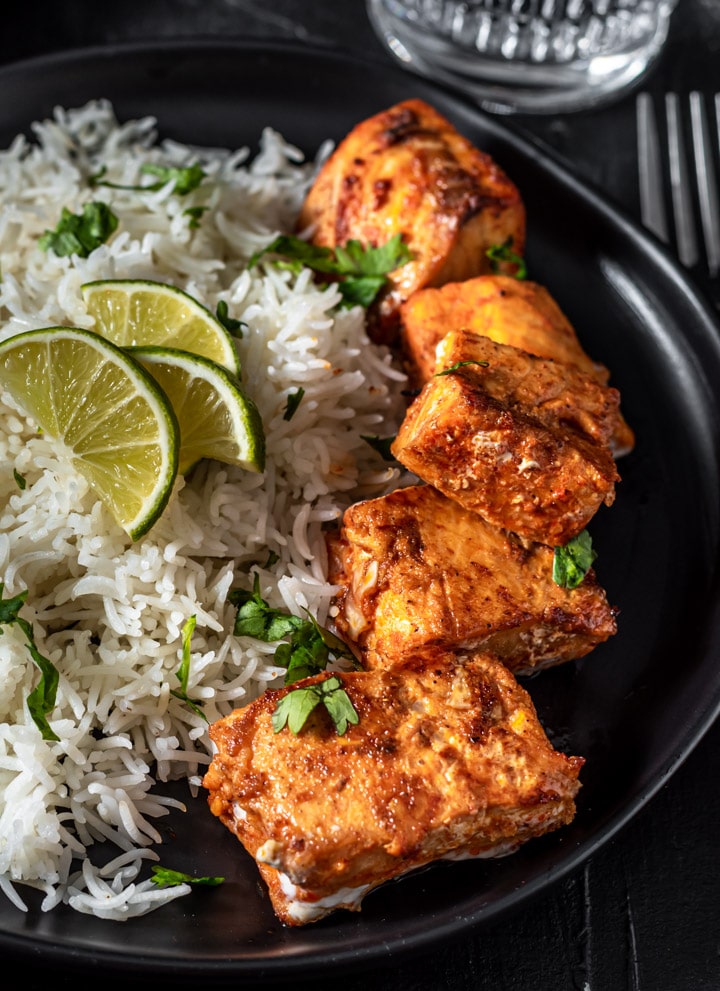
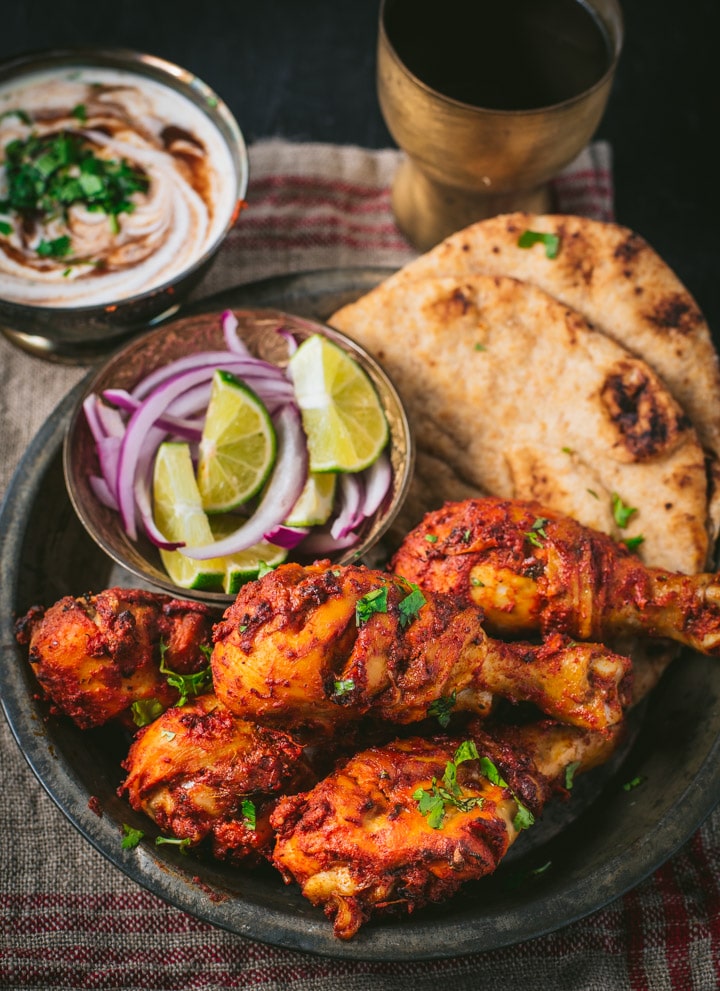
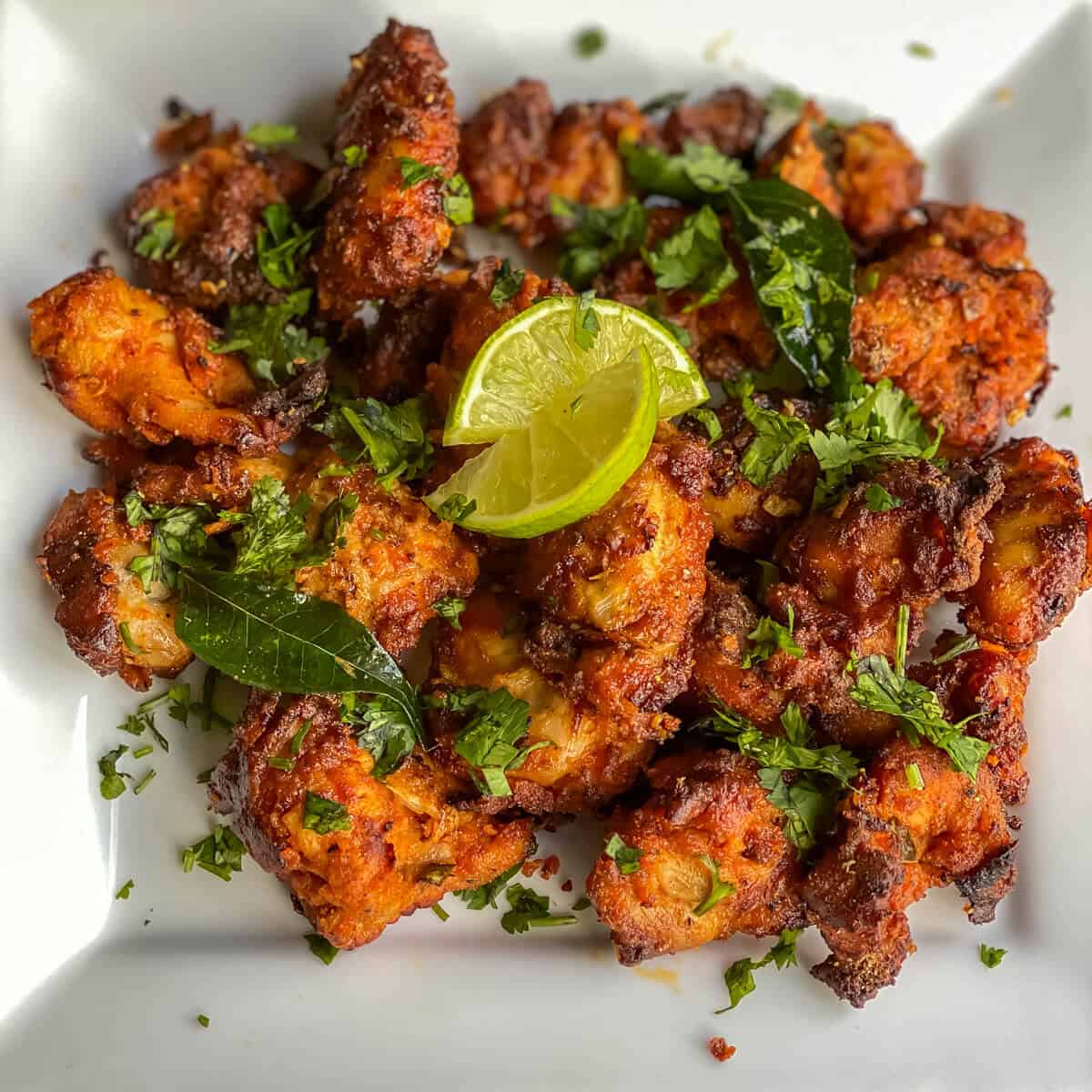
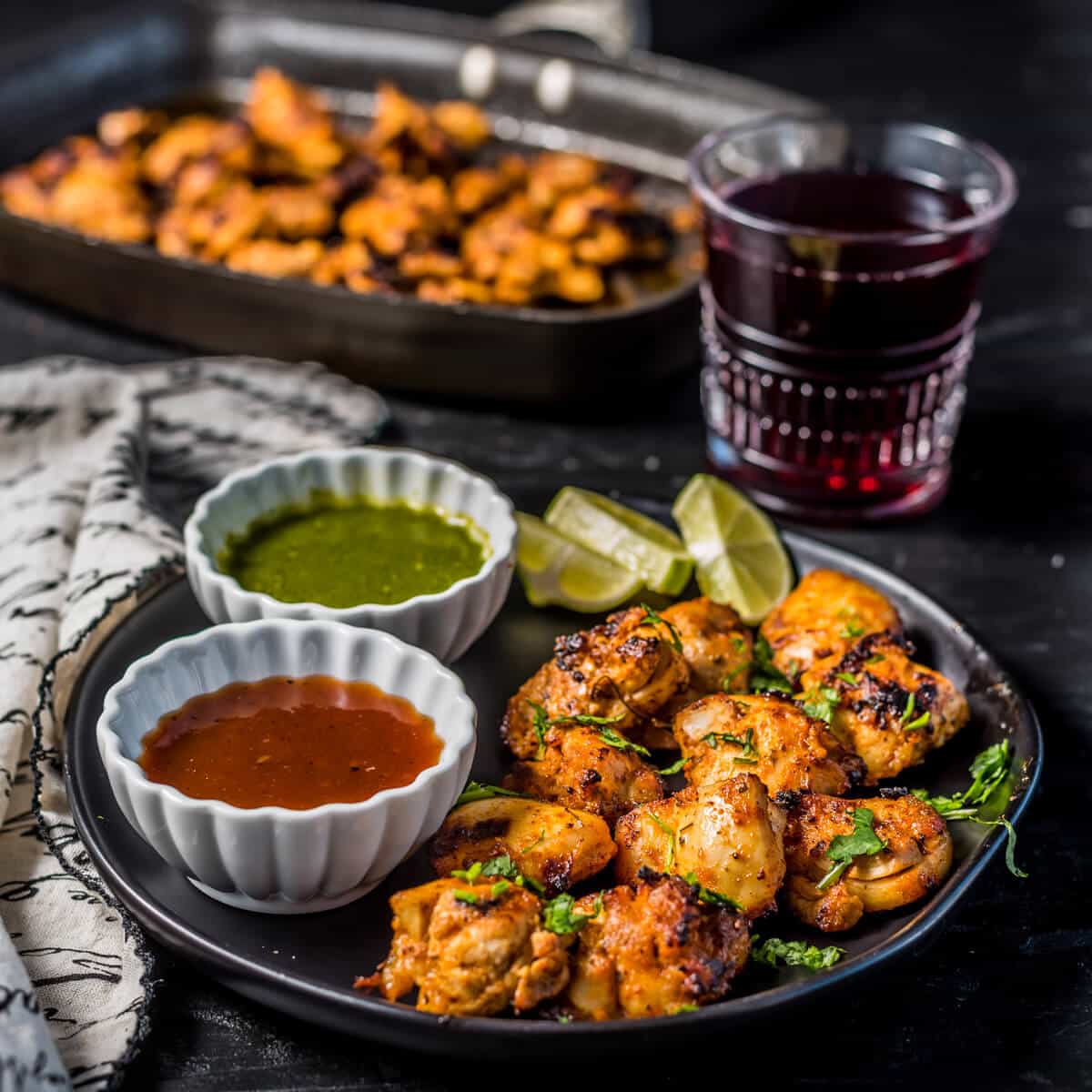
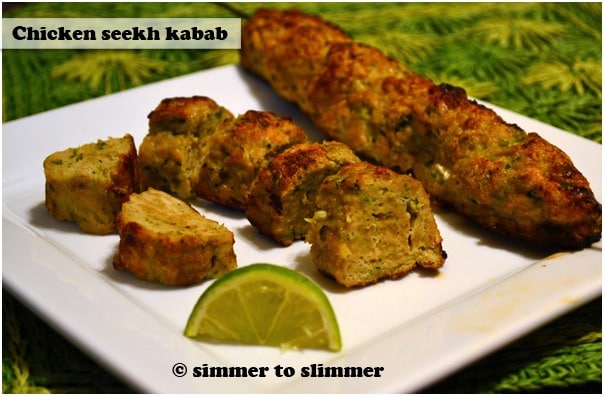
Tandoori chicken, chicken tikka, chicken seekh kabab. The clay oven classics made at home. All three use the same yoghurt-and-spice marinade logic - the protein changes, but the method is almost the same. For the full meal, serve alongside Roti, Paratha & Naan and a raita from Chutneys, Pickles & Raita.
Steamed snacks
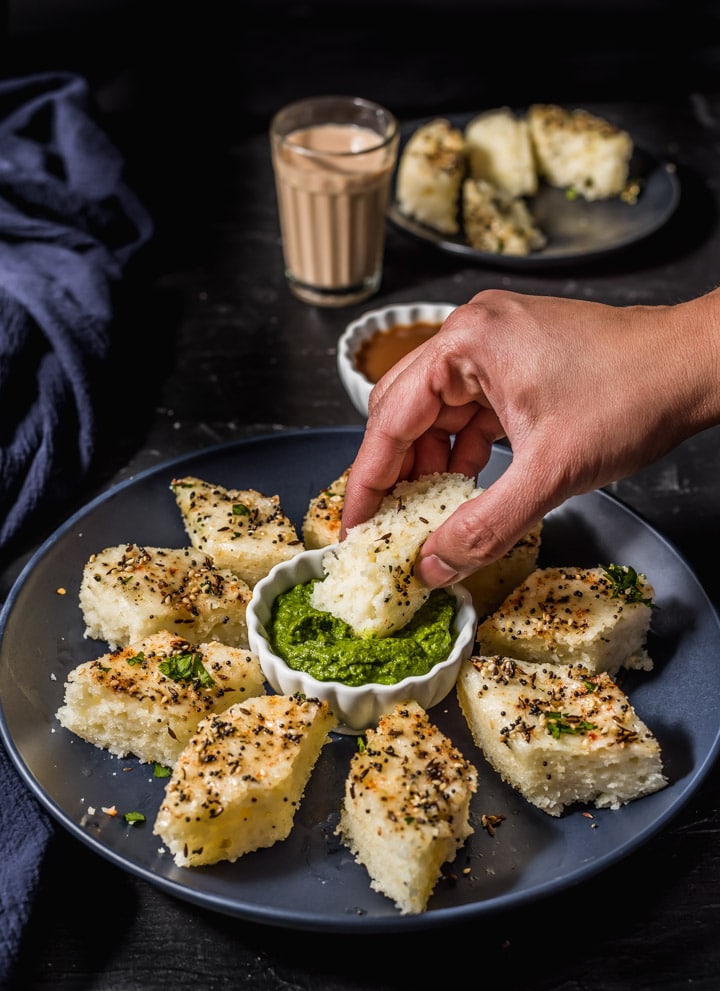
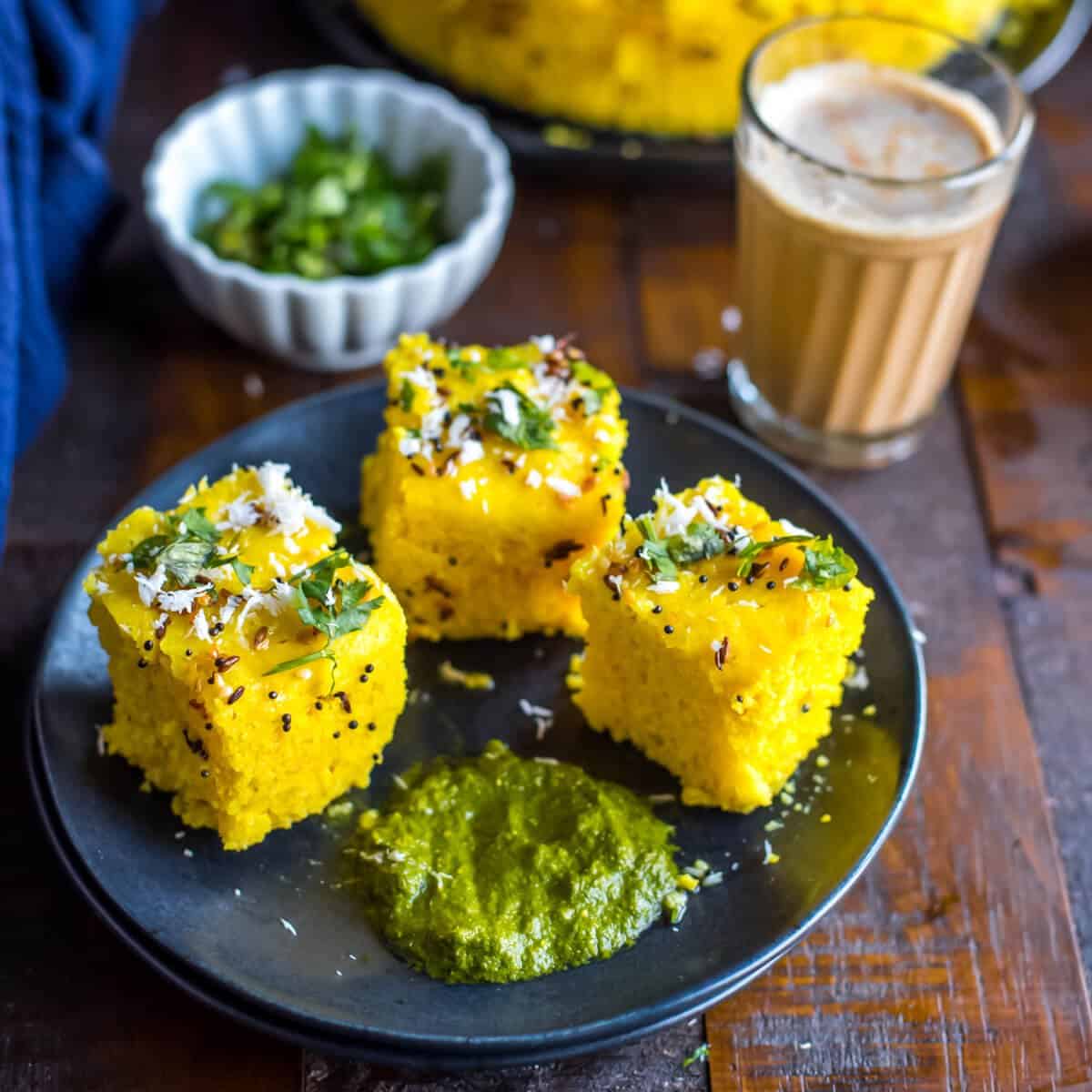
The steamed Gujarati snacks that are lighter than anything fried. Khaman dhokla is bright yellow from turmeric, spongy, and finished with a mustard seed tempering. Rava dhokla uses semolina instead of gram flour and comes together faster - no fermentation needed.
Light snacks
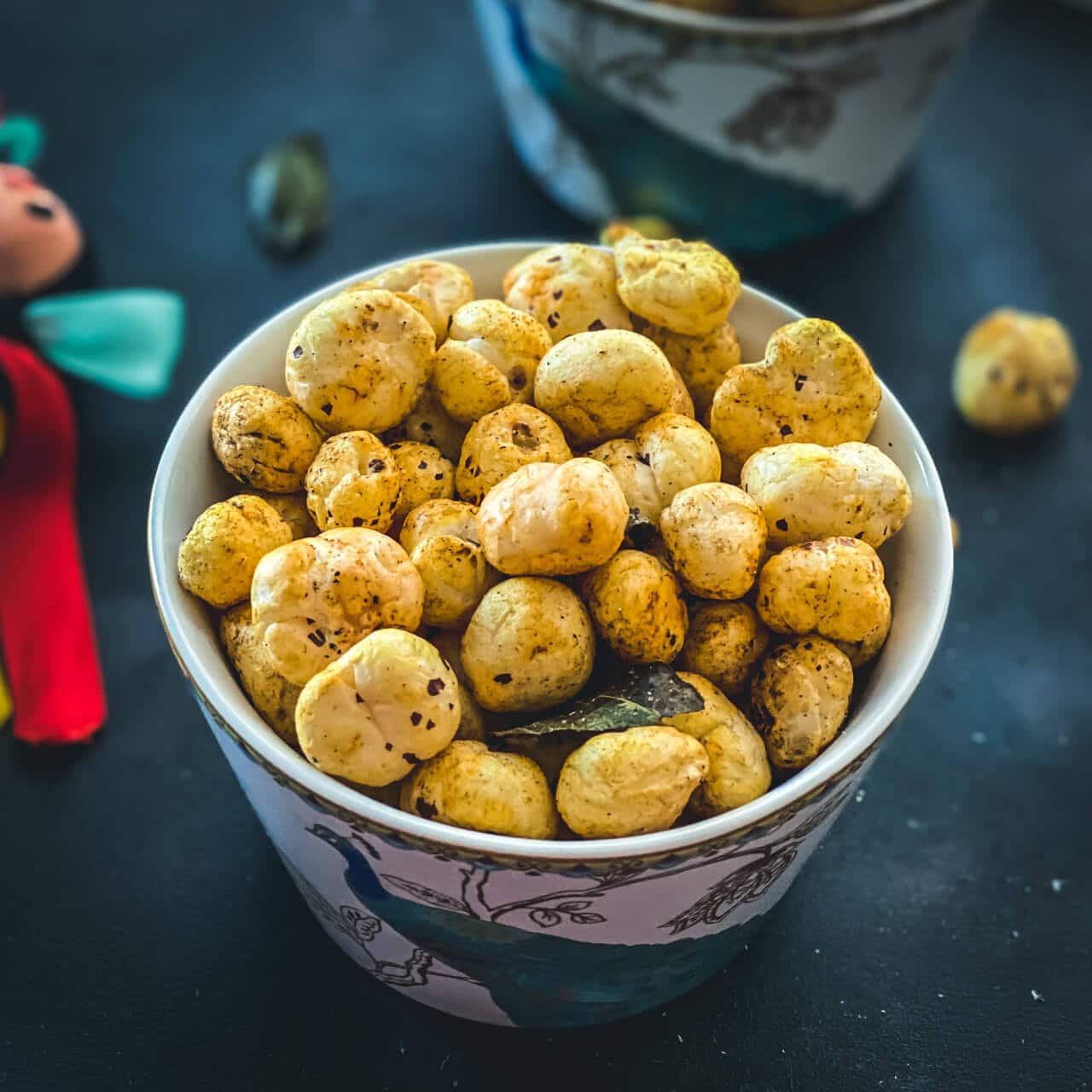
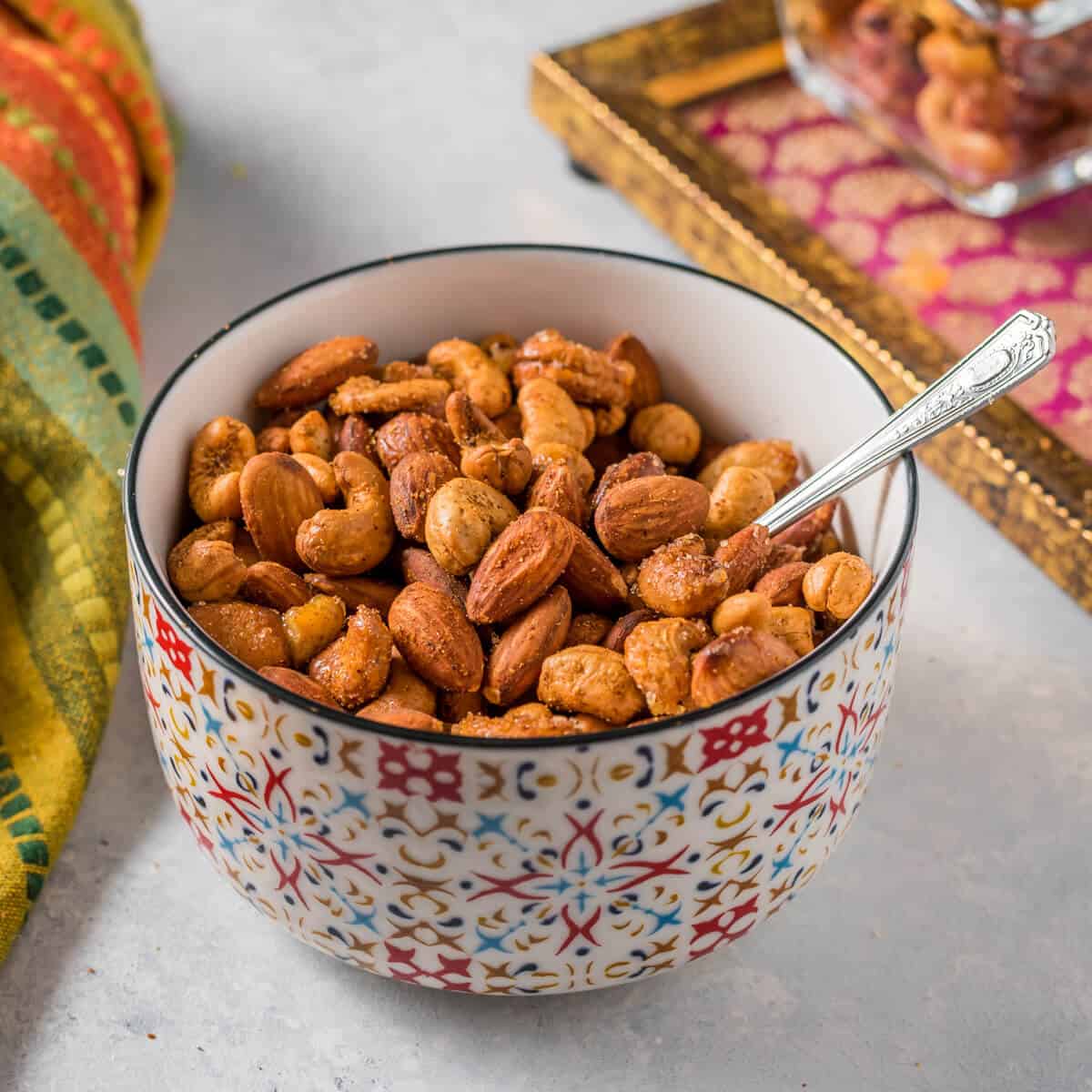
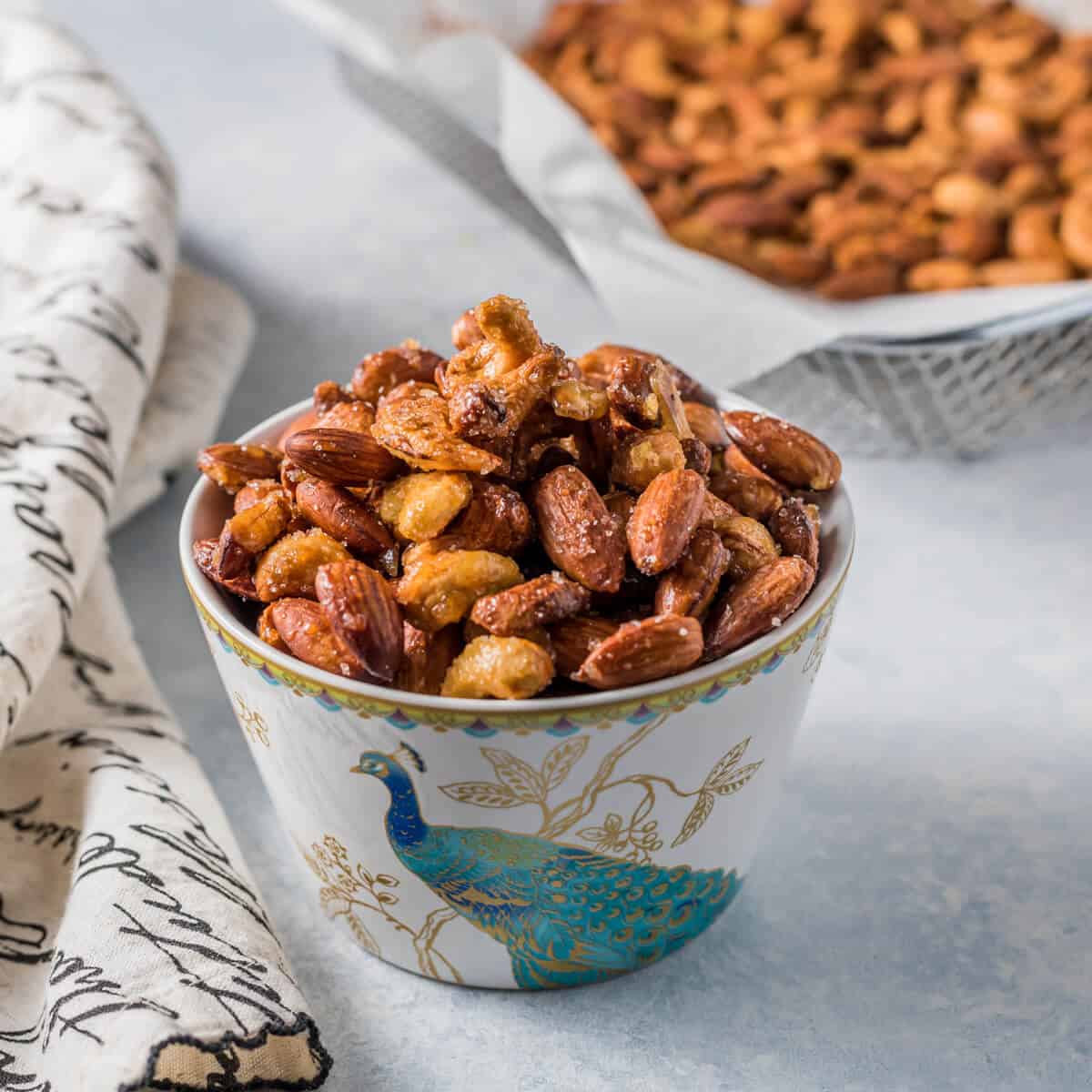
The lighter end of the snacking spectrum. Makhana has become a staple of Indian snacking, eaten during fasting days and movie nights alike.
SERVING SUGGESTIONS
Build a spread
- Chai time → Samosa or onion pakora with masala chai
- Mumbai at home → Pav bhaji with butter-toasted bread rolls and raw onions
- Chaat platter → Dahi vada with tamarind chutney and chaat masala
- Mangalorean afternoon → Goli baje with coconut chutney
- Party spread → Tandoori chicken, chicken tikka, seekh kabab with cilantro mint chutney and sliced onions
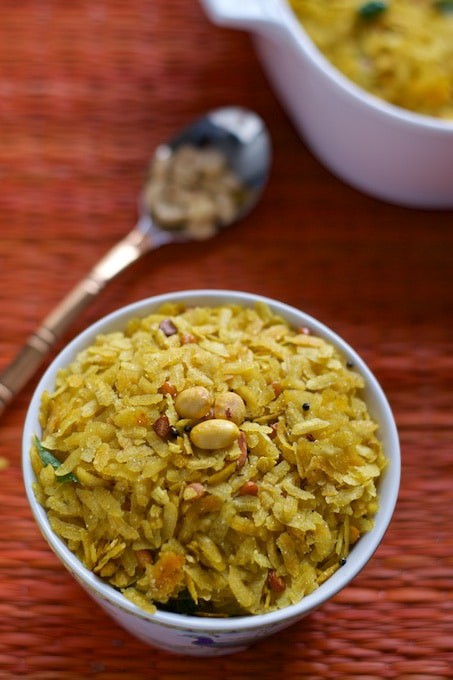
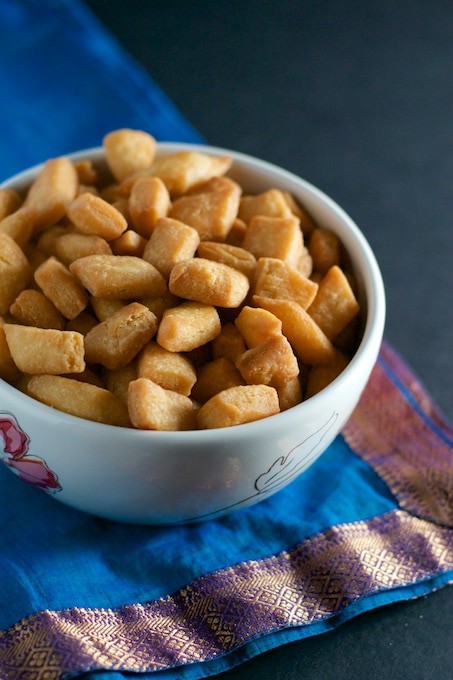
- Festive snacking → Shakarpara and poha chivda with ginger tea
FREQUENTLY ASKED
Questions about Indian starters & street food
Chaat is a category of Indian street food characterised by a combination of sweet, sour, spicy, and tangy flavours in a single dish. Dahi vada, pani puri, bhel puri, and dahi sev puri are all chaat. The flavour profile comes from tamarind chutney, mint chutney, yoghurt, chaat masala, and the base ingredient, which could be lentil dumplings, puffed rice, or hollow fried shells filled with spiced water.
A samosa is a filled pastry, a thin, crispy shell wrapped around a spiced potato or meat filling, then fried. A pakora is a fritter: vegetables or protein dipped in a spiced chickpea-flour batter and fried. Both are Indian street food staples. Samosas take longer to make. Pakoras come together in minutes.
Yes. The air fryer produces very good samosas - crispy on the outside, the filling stays intact. The texture is slightly different from deep-fried, but the difference is minor. Brush with oil before air frying for the best results. The air fryer samosa recipe on this site has been tested specifically for this method.
Both are steamed Gujarati snacks. Traditional dhokla uses fermented rice and lentil batter. Khaman uses gram flour (besan) and needs no fermentation. Khaman is bright yellow from turmeric, spongy, and finished with a mustard seed tempering. The two are often confused, but they are different recipes with different textures.
KEEP EXPLORING
Related Collections
A samosa without chutney is incomplete. The tamarind chutney, mint chutney, and coconut chutney for goli baje are all under Chutneys, Pickles & Raita. The masala chai that belongs alongside samosas and pakoras is in Drinks. And if goli baje has you curious about the rest of Mangalorean cooking, the coastal Karnataka recipes can be found in the Mangalorean Food collection.