Indian Kitchen Basics
Every recipe on this site rests on a foundation of technique and pantry knowledge that most Indian home cooks absorbed without realising it. The way a tadka is built. The difference between toor and moong. Why coconut oil in a Mangalorean curry and mustard oil in a Bengali one?
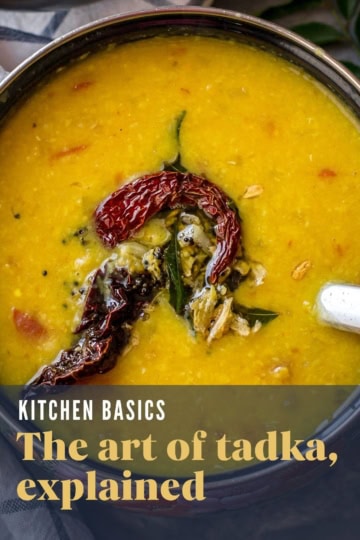
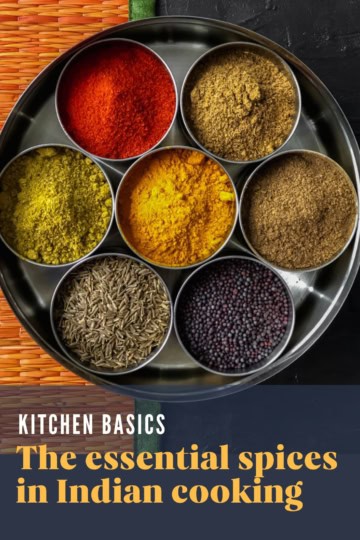
This collection puts that knowledge in writing, so you do not have to figure it out alone. If you are new to Indian cooking, essential spices in Indian cooking and the art of tadka are a good place to start.
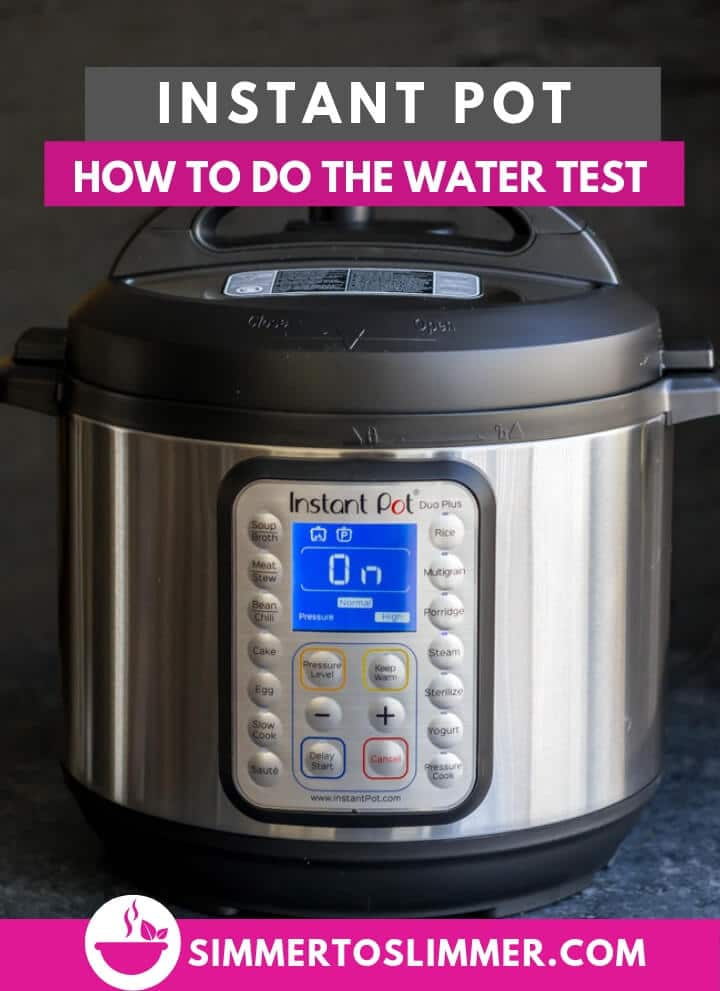
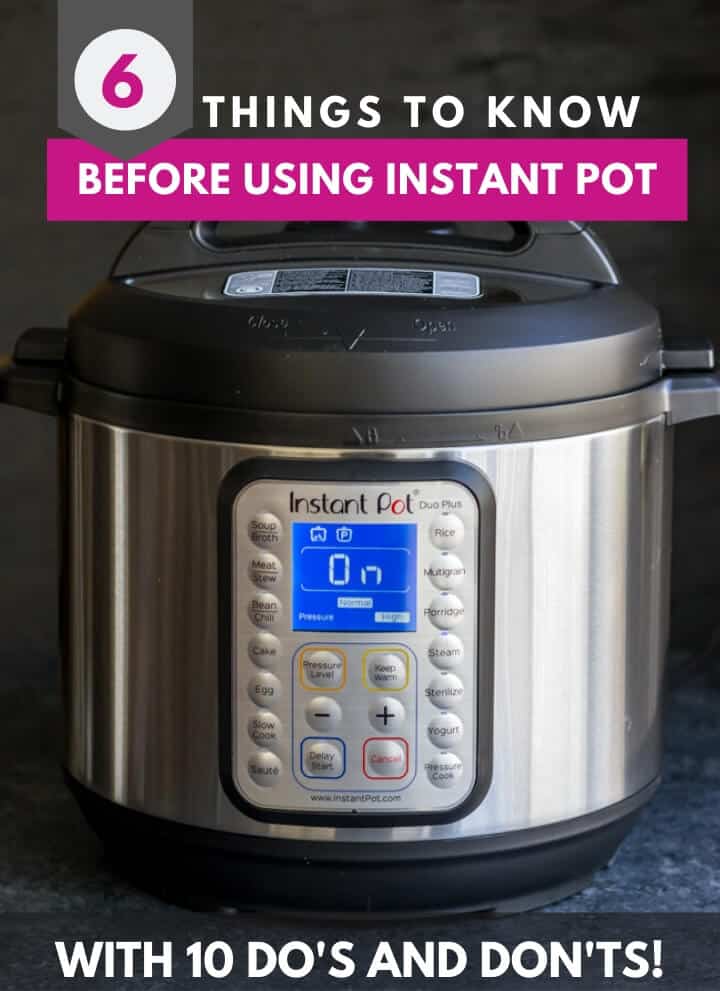
If you cook with an Instant Pot, things you should know before using your Instant Pot is your first stop. Everything here connects directly to the recipes in the Curries, Dal & Legumes, and Indian Breakfast sections.
Jump to:
About this collection
I baked my first cake at nine years old in a pressure cooker, because that is what we had. My formal cooking education came from an unlikely teacher: the Hawkins Pressure Cooker Cookbook, the only cookbook in the house. It quietly taught me the underlying logic of Indian cooking long before I had the words to describe it. How to build a base. How pressure transforms a dal. How the same technique applies across dozens of dishes once you understand the structure.
That logic is what this collection is built around. Not recipes, but the knowledge underneath them. The techniques that most Indian home cooks absorbed without realising it, watching mothers and grandmothers cook, never written down. The spice logic, the pantry knowledge, the foundational techniques that make everything else possible.
START WITH THESE
Most important guides
FIND WHAT YOU NEED
Techniques and Pantry Setup
Core Techniques
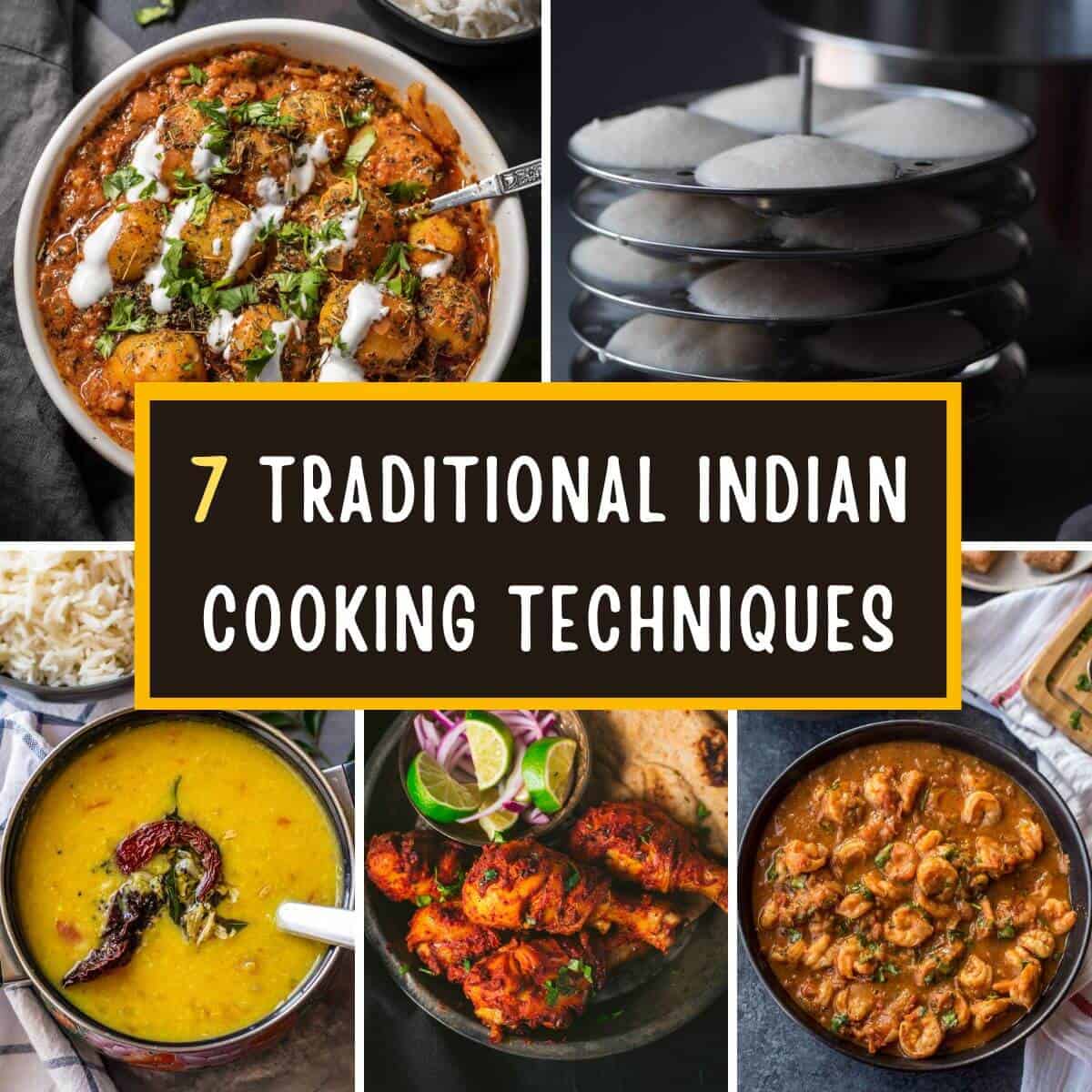
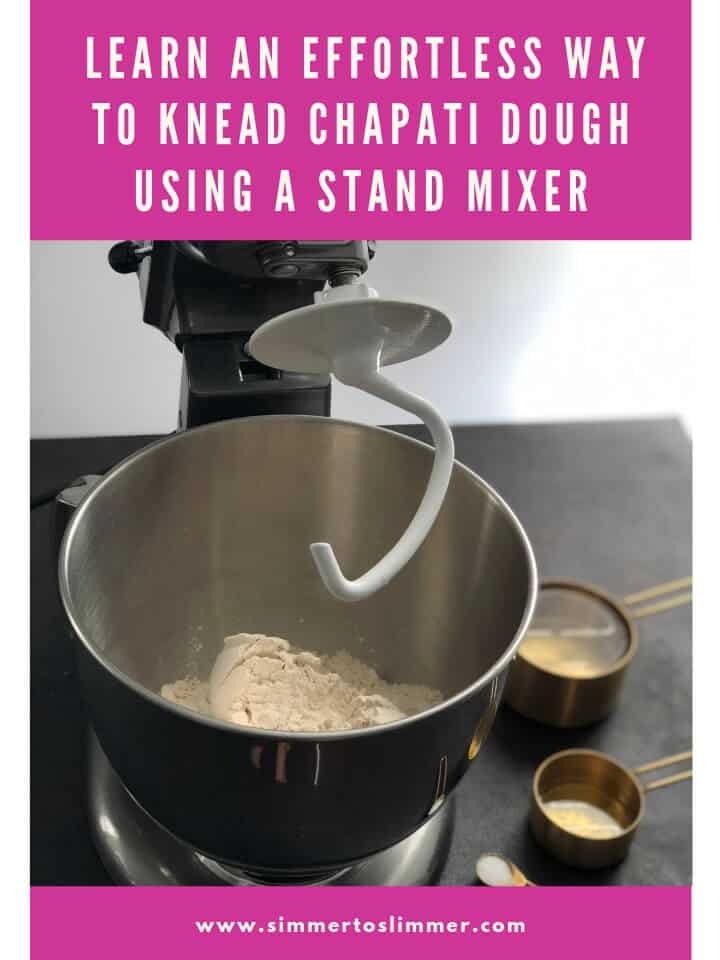
The techniques that appear in almost every Indian recipe. Tadka is the most important. Once you understand it, every dal, curry, and sabzi on this site becomes more intuitive.
Tadka connects directly to recipes in Curries and Dal & Legumes.
Pantry and Ingredients
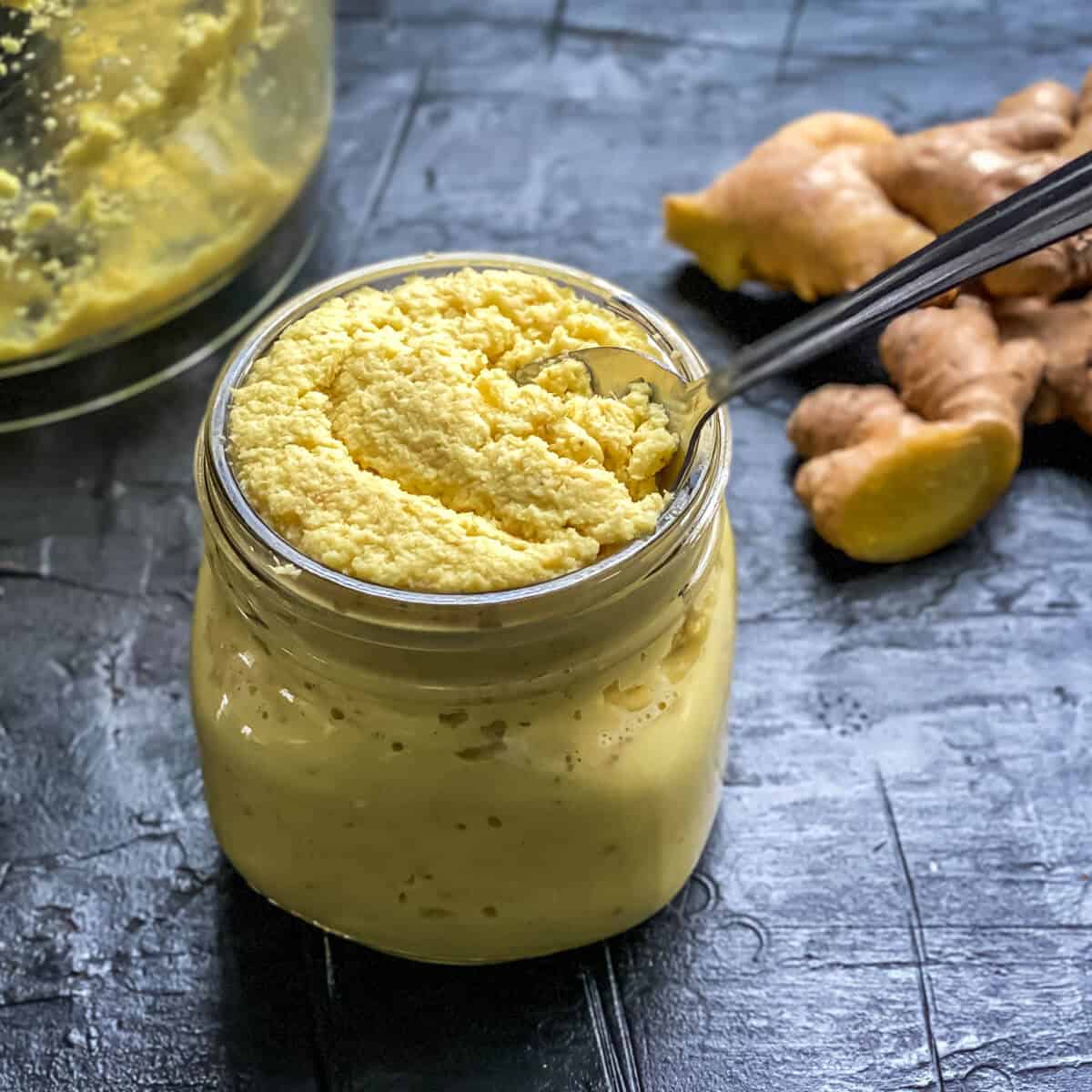
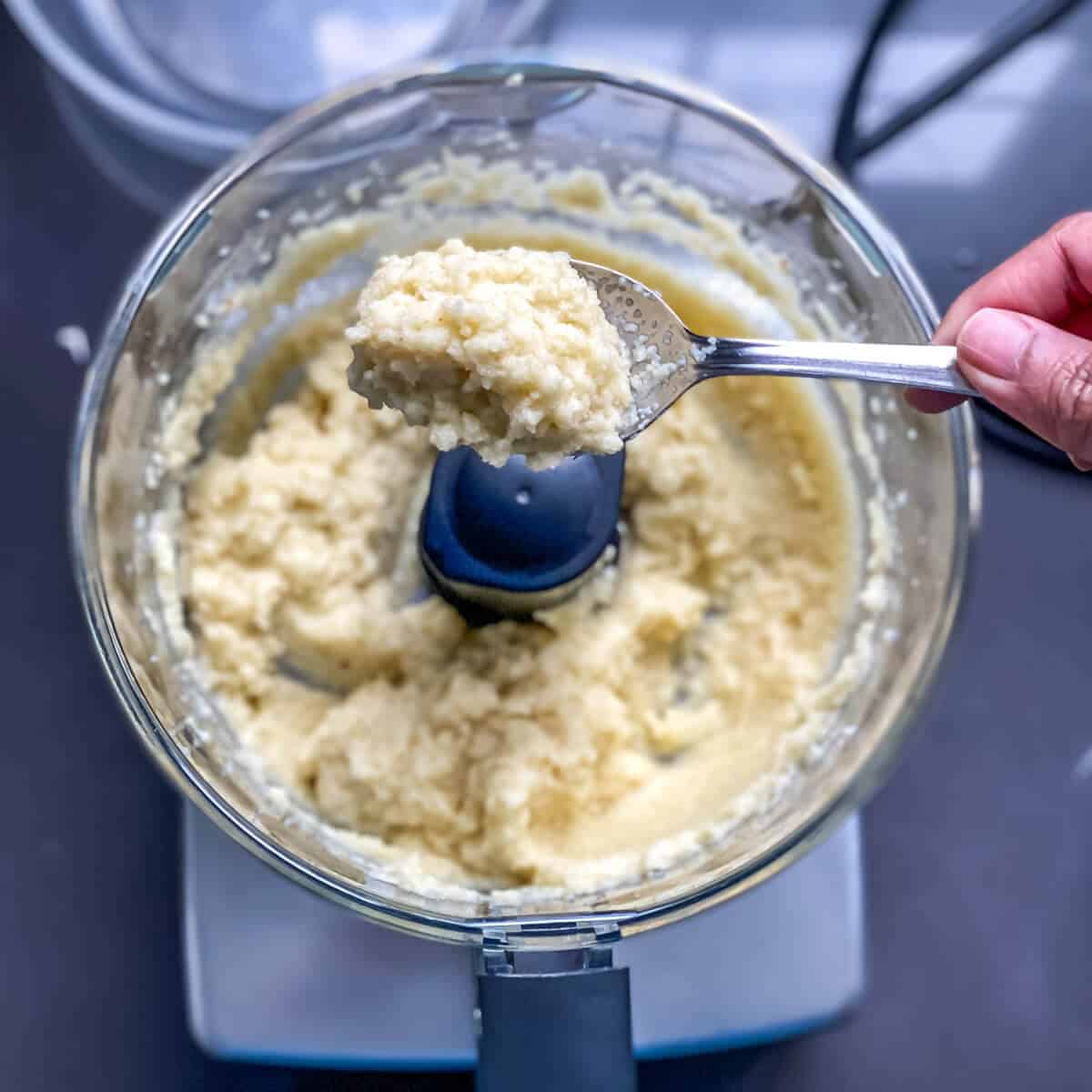
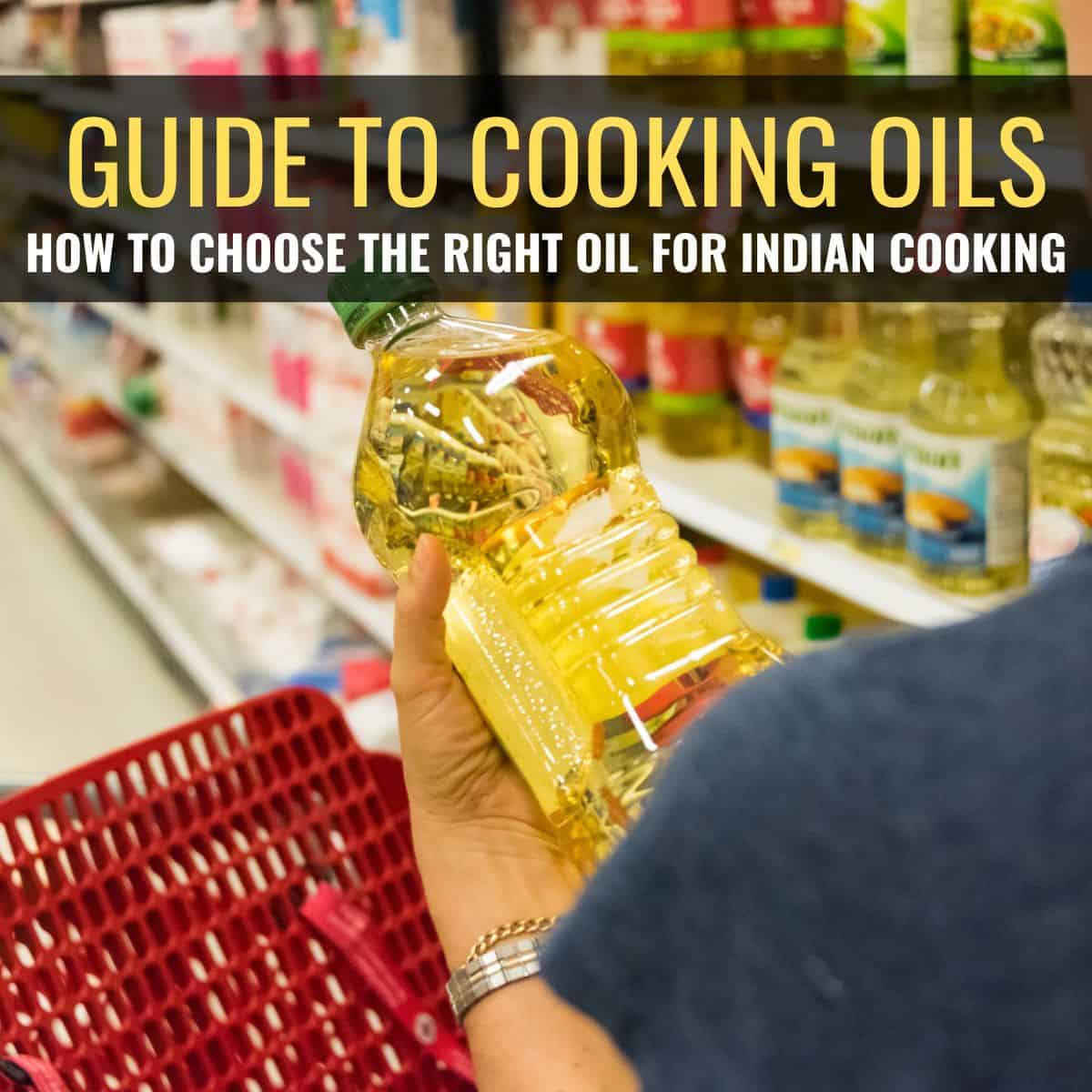
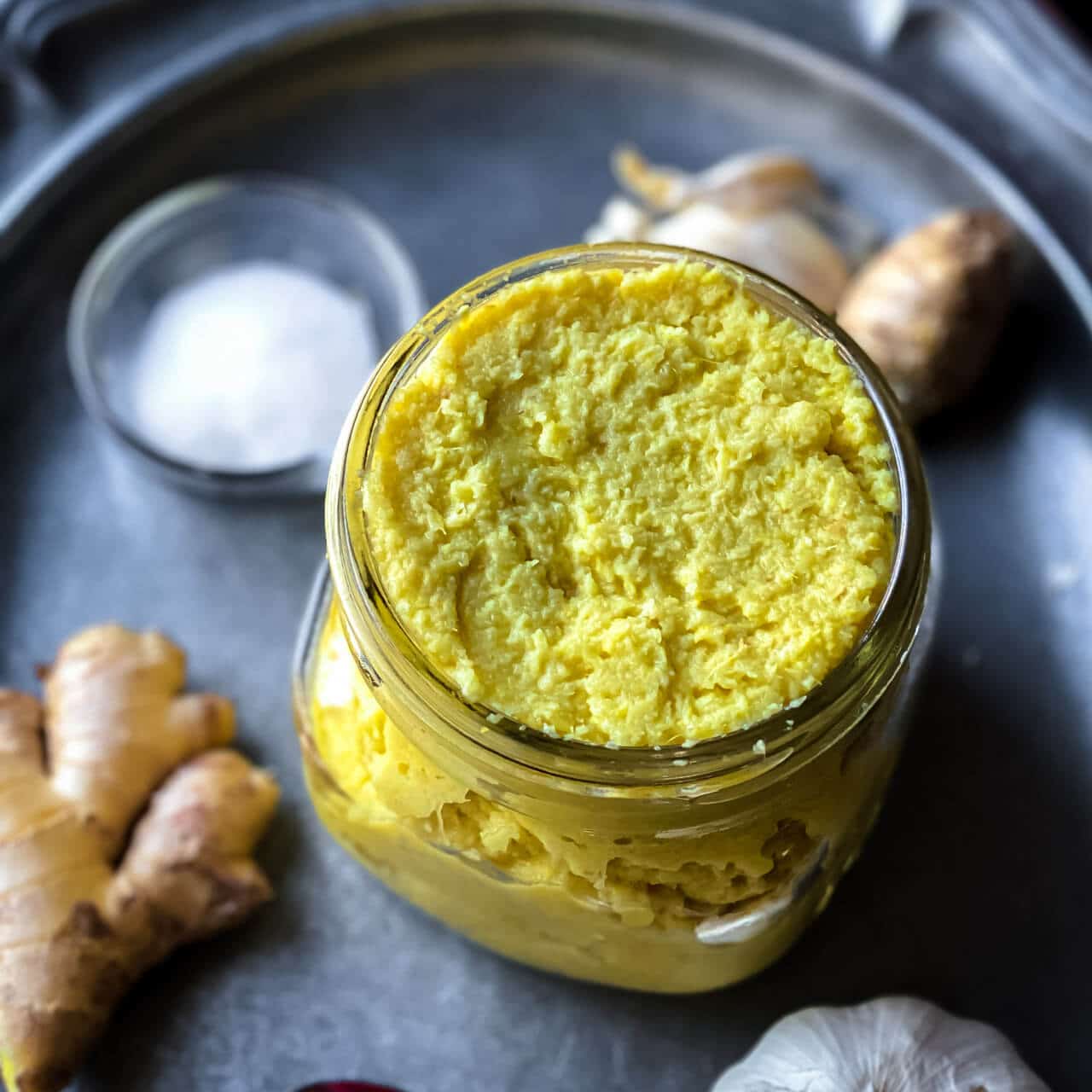
What to stock, what each ingredient does, and how to make the foundations from scratch. The ginger garlic paste and spice knowledge here feeds directly into meal prep and planning.
Made from scratch
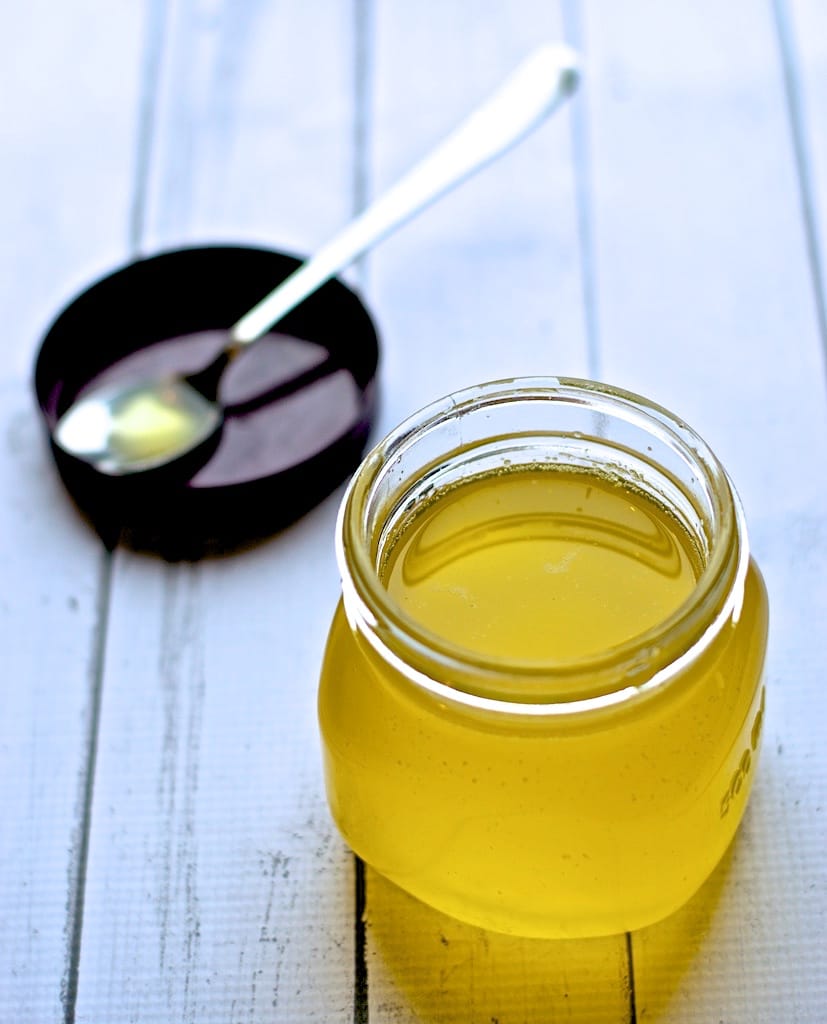
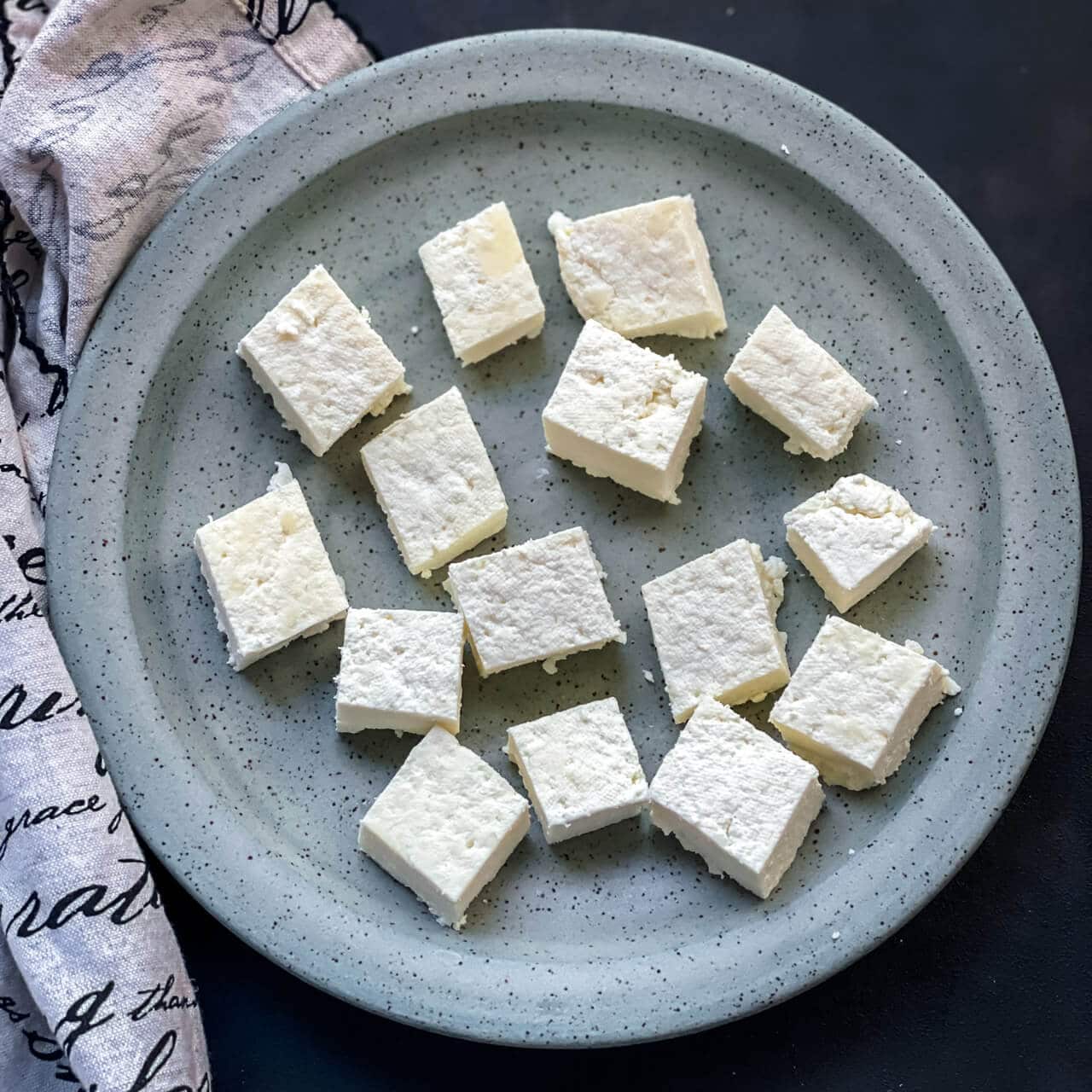
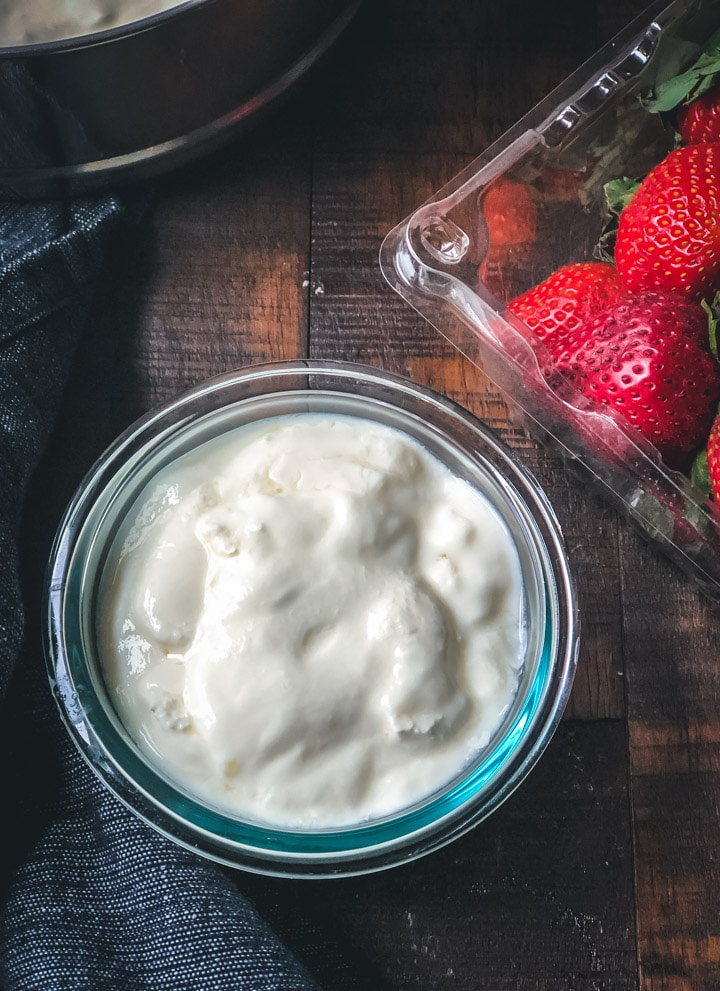
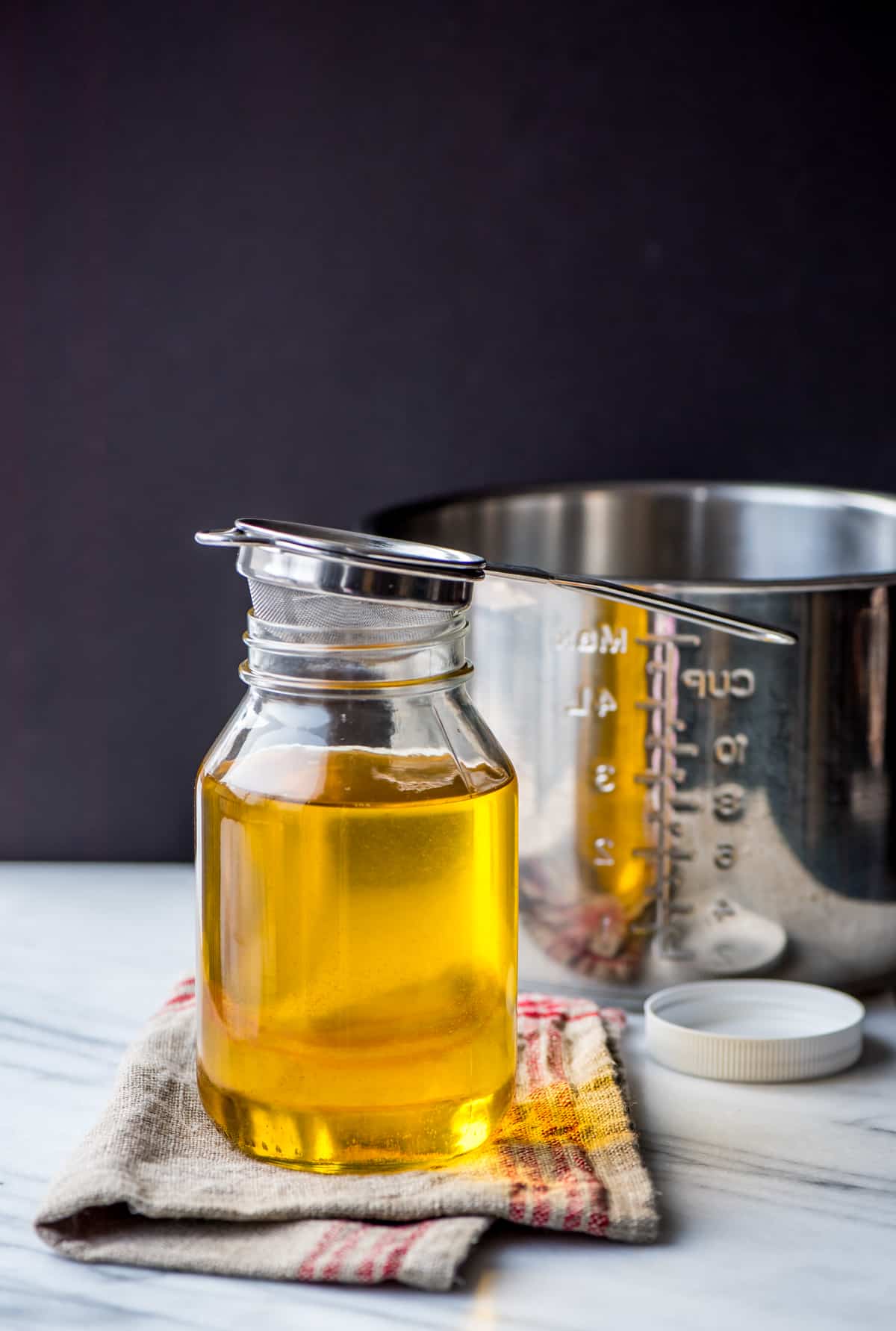
The things most people buy but are worth making. Ghee stores for months. Homemade paneer tastes different from the packet. Yogurt is the base for raita, lassi, and kadhi.
LEARNING PATHS
Where to begin with Indian cooking
GETTING STARTED WITH INSTANT POT
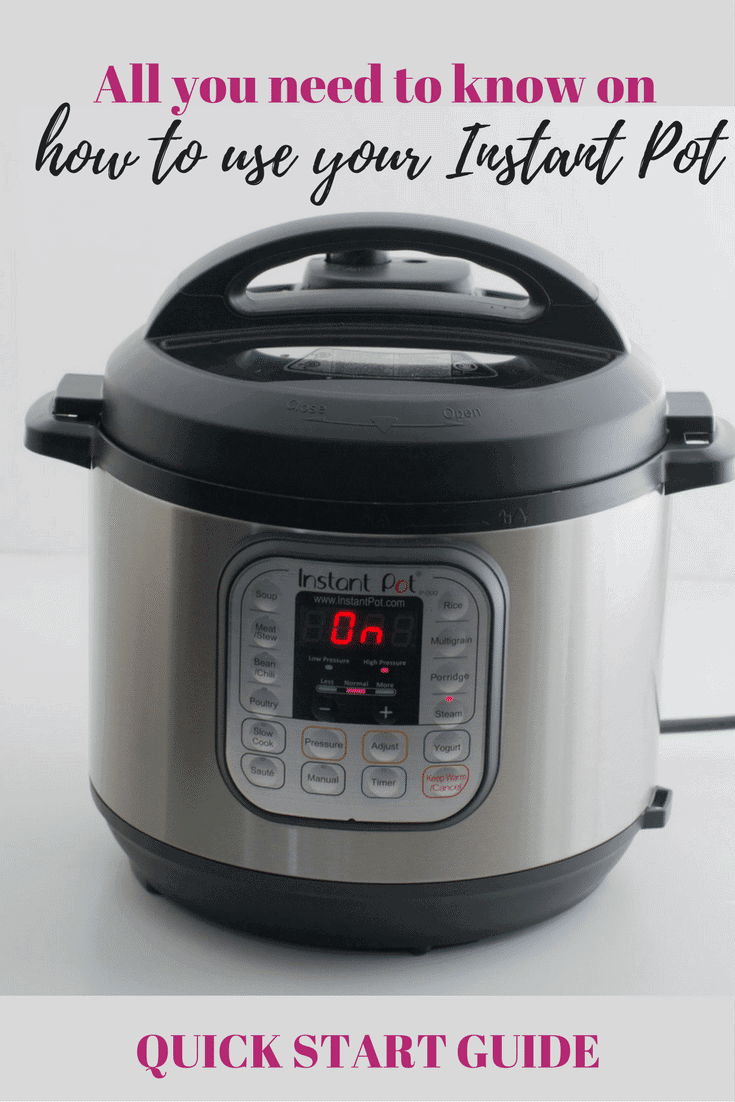
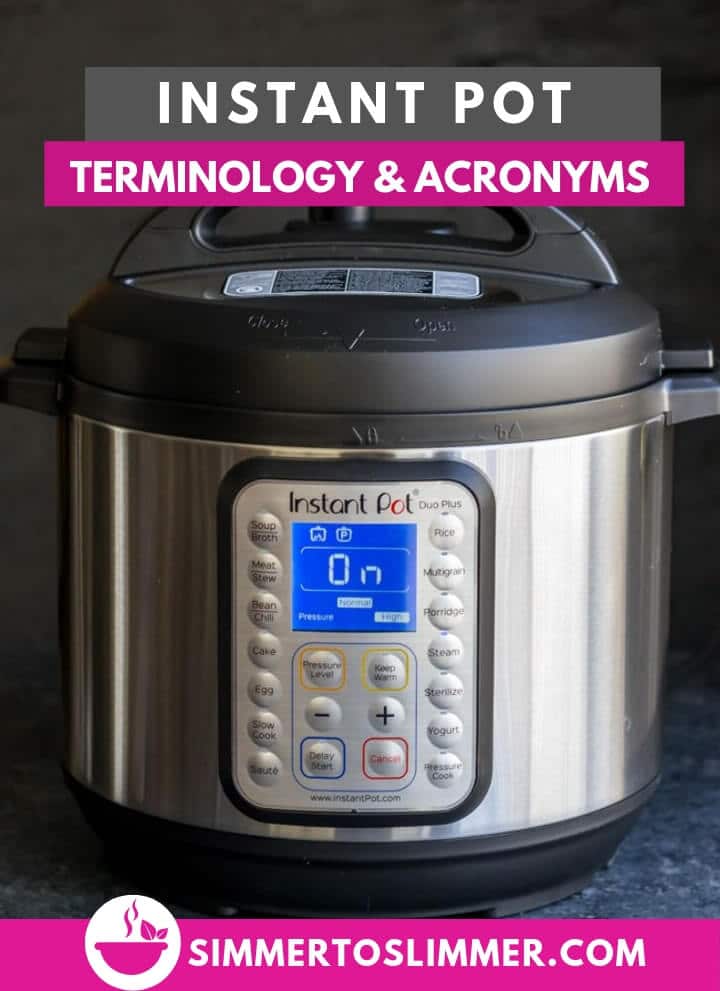
Instant Pot Guide
Everything you need to use the Instant Pot for Indian cooking specifically. For Instant Pot Indian recipes, see Curries, Dal & Legumes, and Rice & Biryani.
- Things you should know before using your Instant Pot
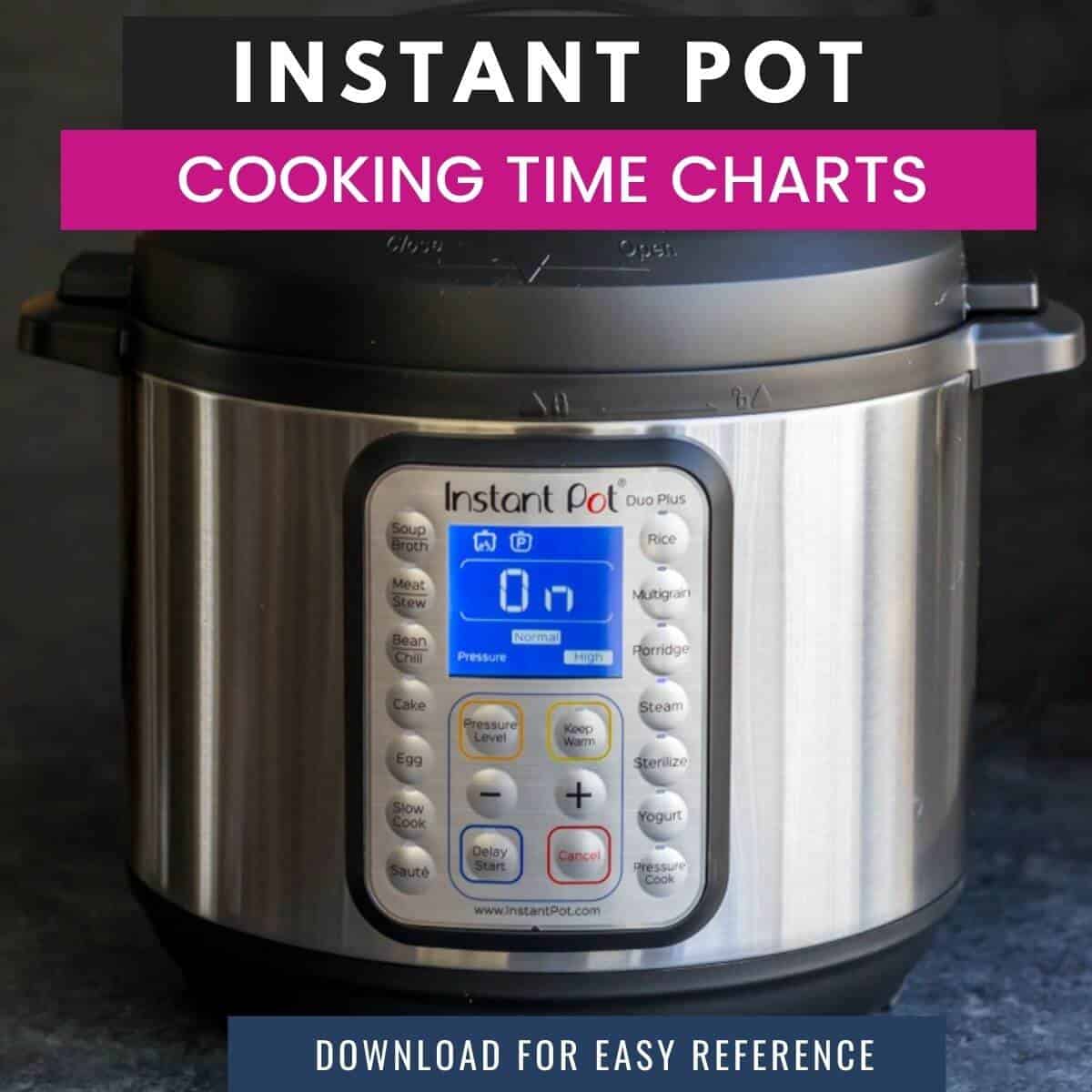
- Instant Pot Cooking Times - The Ultimate Guide
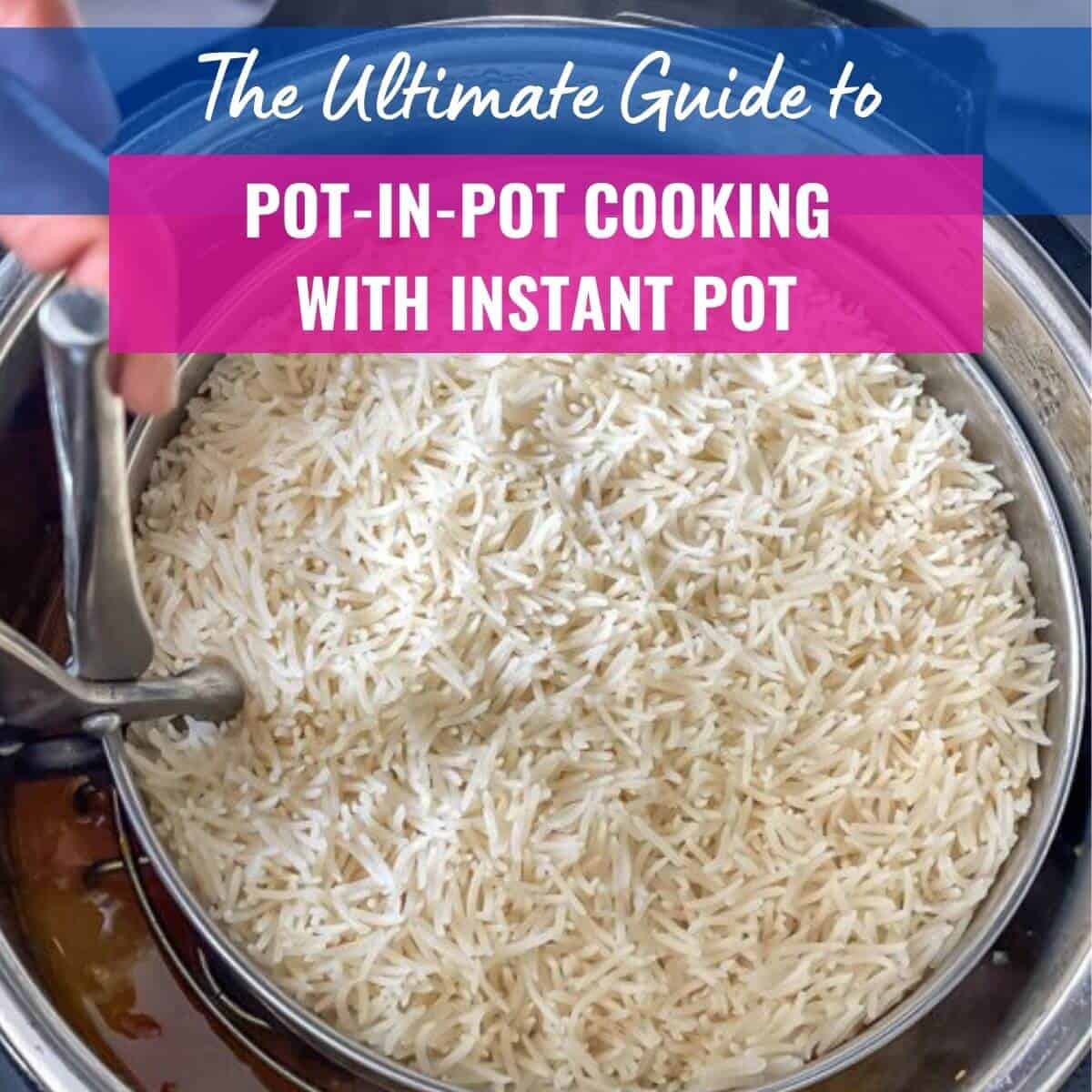
- Complete Guide: Pot-In-Pot cooking with Instant Pot
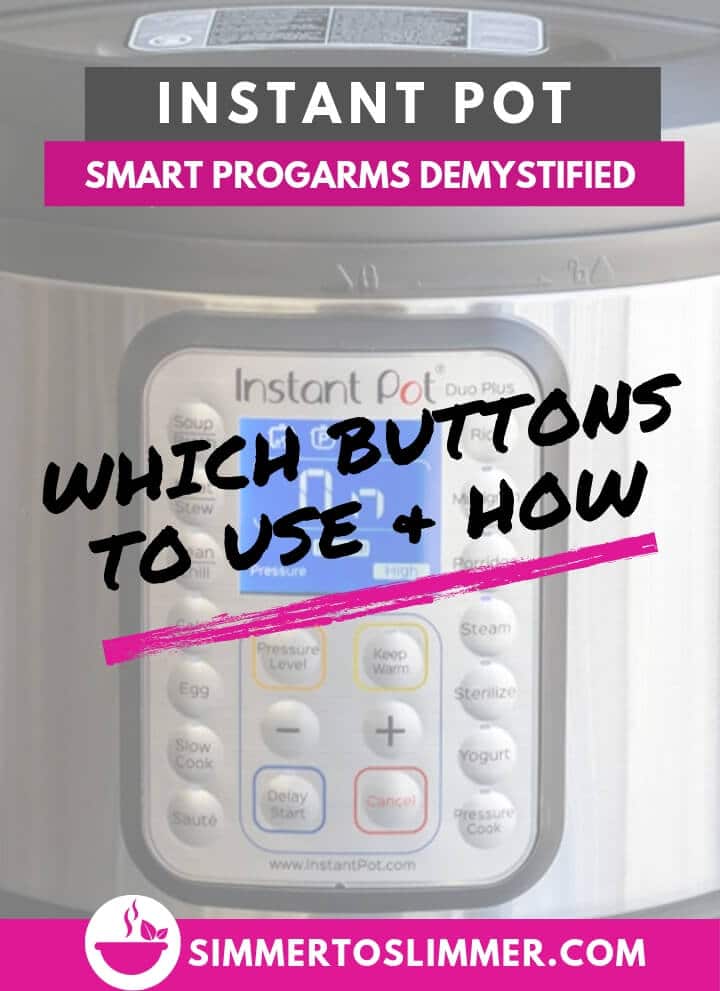
- Instant Pot Manual: Smart Programs Demystified
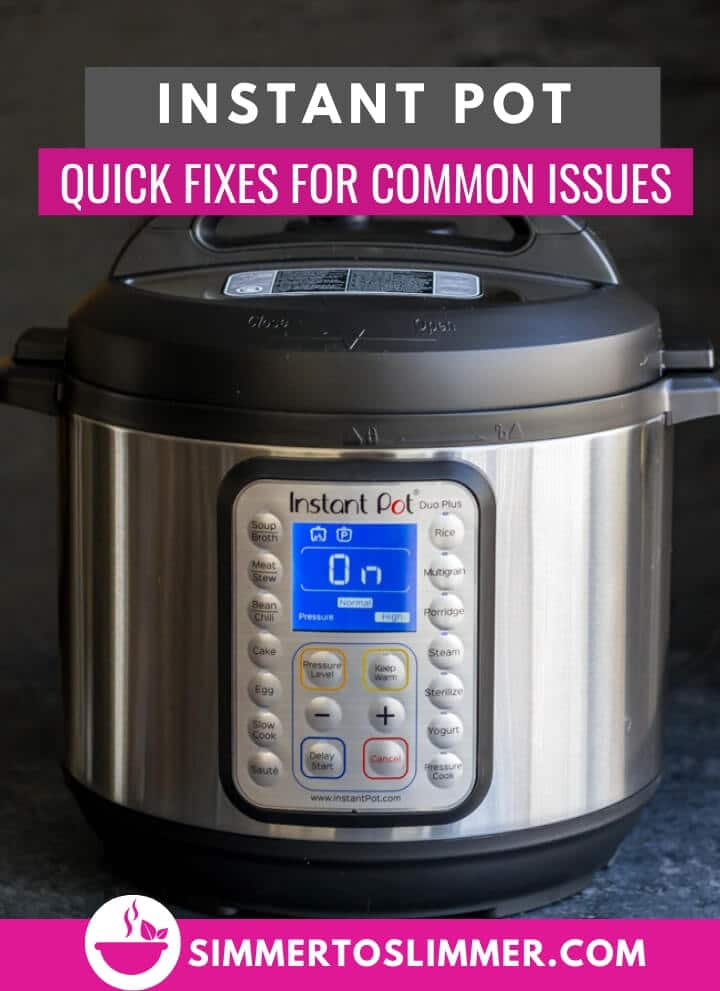
- Troubleshooting Guide: Quick Fixes For Common Instant Pot Problems
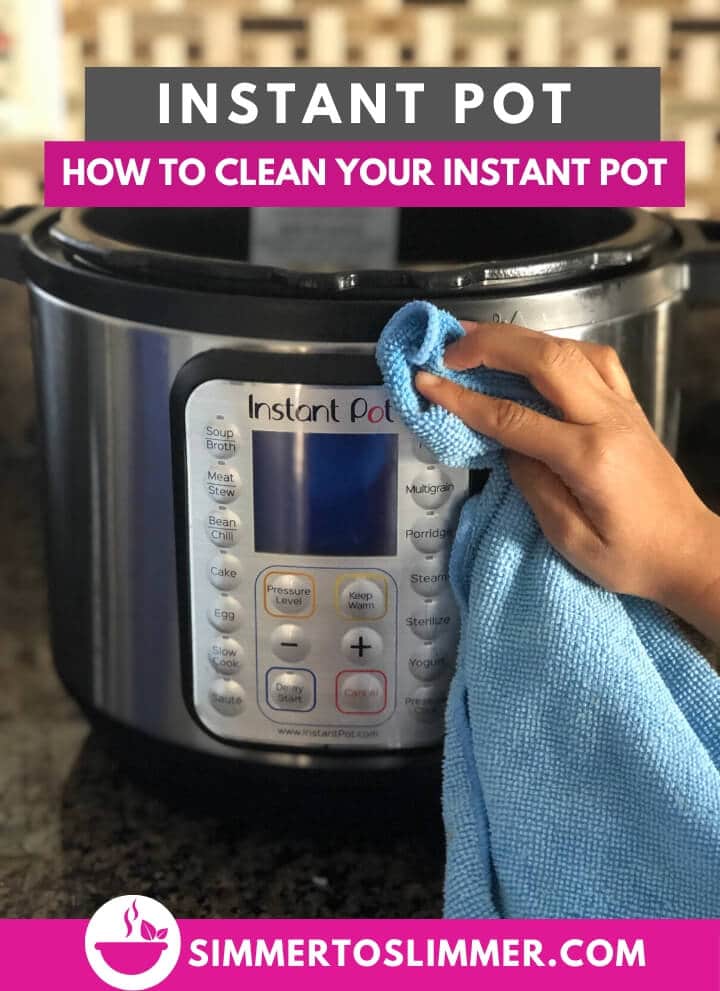
- Easy Cleaning Hacks - How To Clean Your Instant Pot
FREQUENTLY ASKED
Questions about Indian Cuisine
Start with these eight: cumin, coriander, turmeric, red chilli powder, mustard seeds, garam masala, cardamom, and dried red chillies. These appear in most Indian recipes. The Essential Spices guide goes into each one in detail, including what it tastes like, how to use it, and which dishes it belongs in.
Tadka is the technique of blooming whole spices in hot oil or ghee at the start or finish of a dish. The heat releases the aromatic compounds in the spices and completely transforms their flavour. A dal without tadka tastes flat. The same dal with a proper tadka tastes finished. It is the single most important technique in Indian cooking, and it takes about two minutes once you understand it.
Ghee is butter with all the milk solids and water removed. What remains is pure clarified butterfat with a higher smoke point, a deeper nutty flavour, and a shelf life of months at room temperature. In Indian cooking, ghee is used for tadka, for finishing dal, and for making parathas. Butter is not a direct substitute because it burns more quickly and has a different flavour profile.
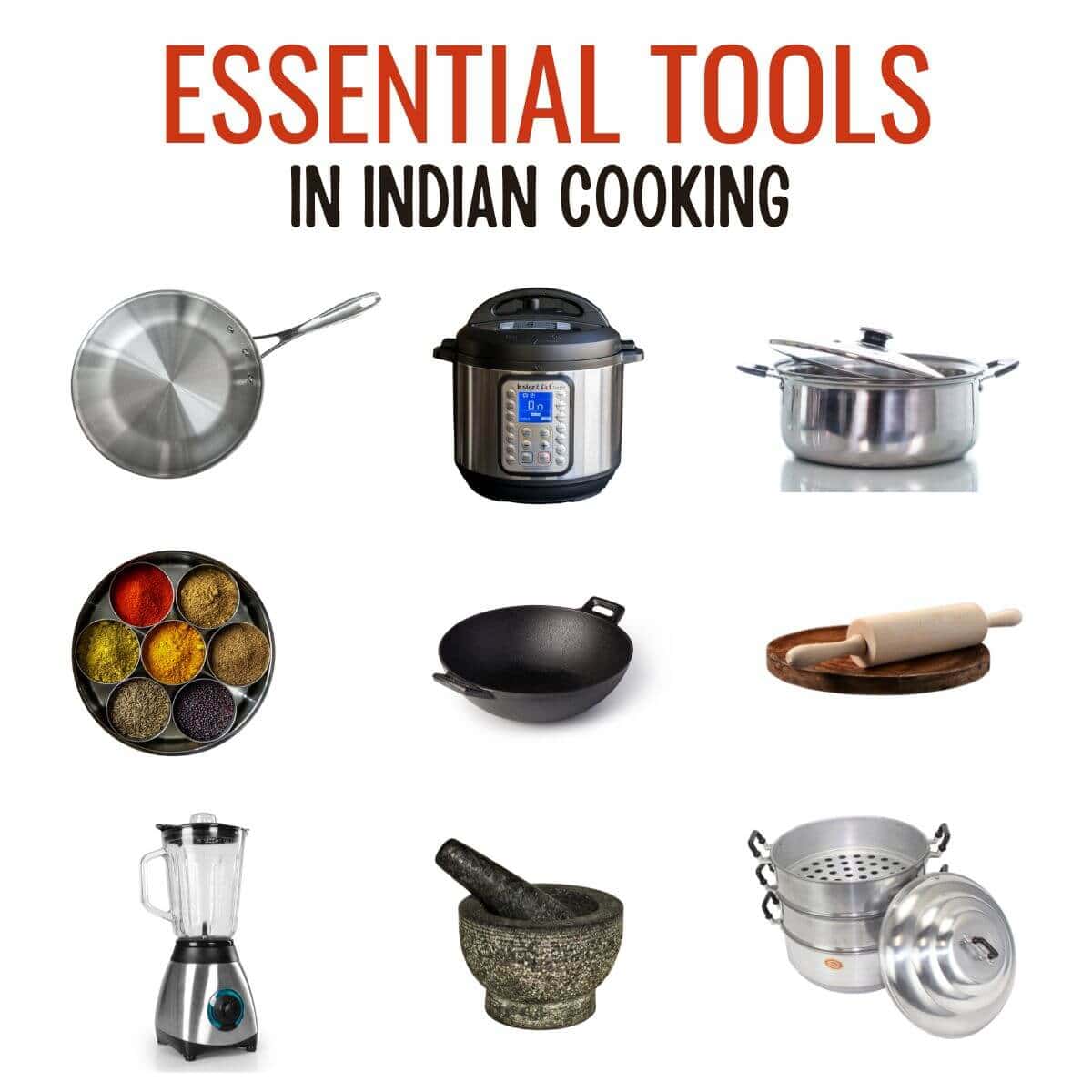
No. A heavy-bottomed pan, a pressure cooker or Instant Pot, and a good blender will take you through ninety percent of the recipes on this site. A cast-iron or non-stick tawa is useful for rotis. A mortar and pestle is nice, but not essential. The Essential Tools guide covers everything with honest recommendations.
Yes. The Instant Pot is well-suited to Indian cooking because pressure cooking is already central to Indian home kitchens. Dal in 15 minutes, chickpeas from scratch in 45, biryani without watching the pot. The guides in this collection are written specifically for Indian recipes, not general Instant Pot use.
KEEP EXPLORING
Related Collections
Everything in this collection exists to make the recipes elsewhere on the site more approachable. The tadka technique belongs in Curries, Dal & Legumes. The spice knowledge belongs in Indian Spice Blends, where the masalas are made from scratch. The chapati dough technique belongs in Roti, Paratha & Naan. And the pantry knowledge belongs in every single category on this site.