Indian Sweets Recipes
Indian sweets are not an afterthought. They are the point of the occasion. The kaju katli that arrives in a box on Diwali. The kheer made on birthdays. The gajar halwa that appears every winter when the red carrots come into season.
This collection covers the full range: everyday sweets that come together in under 30 minutes, festival specials that take patience, and the Mangalorean sweets that most people outside Karnataka have never tasted.
Jump to:
ABOUT THIS COLLECTION
About Indian sweets
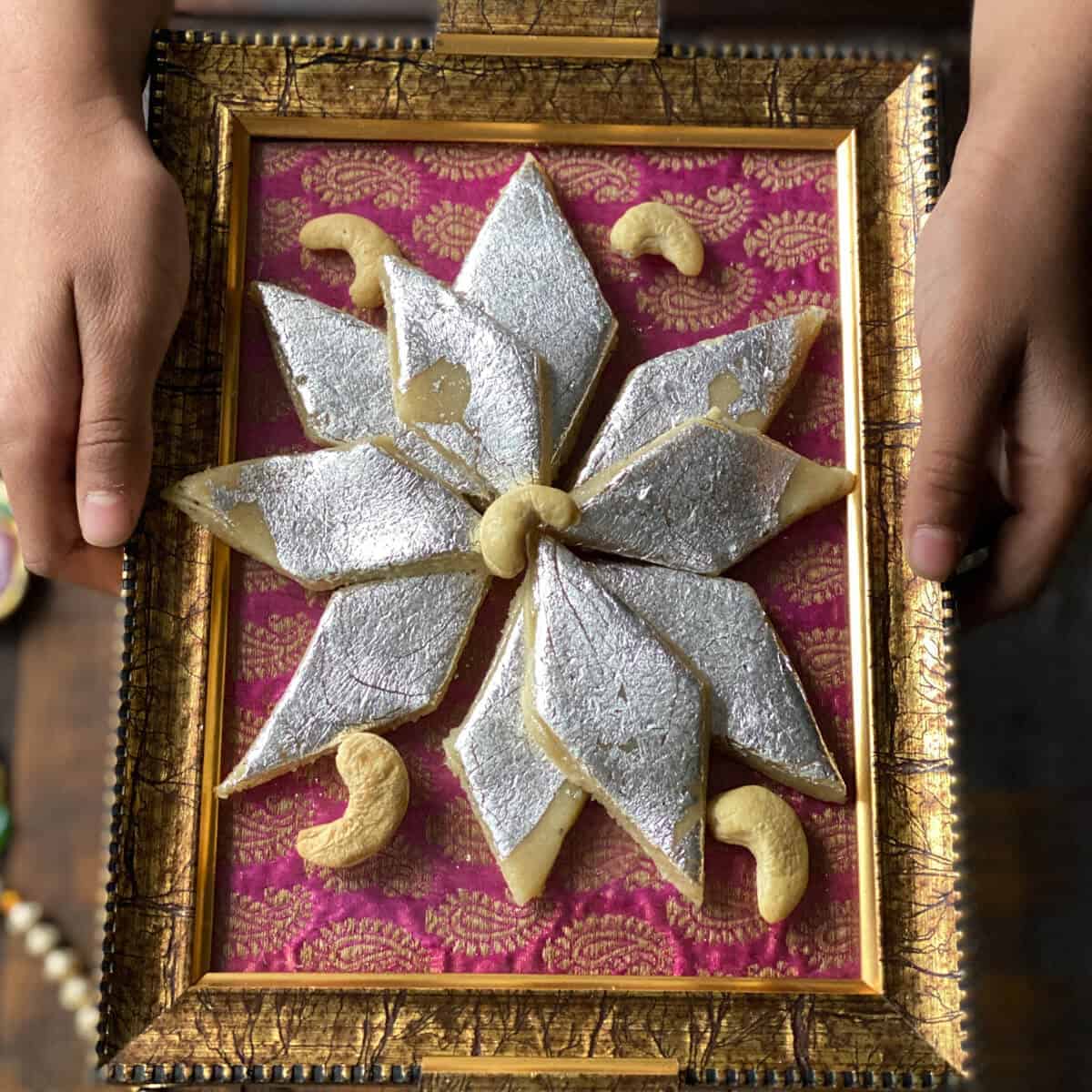
My father would bring kaju barfi home from Chandu Halwai in Mumbai.
A box of soft, diamond-shaped cashew fudge that announced something good had happened or was about to. It arrived for Diwali, birthdays, exam results, and every homecoming from abroad. There would always be a box waiting on the table.
So when the kaju barfi I found in the US tasted nothing like Chandu Halwai, I decided to make it myself. Four attempts. My family begged me to stop after the third. I did not. My father taught me never to give up. I owed it to him to try until I got it right. Finally, I did. That is what sweets do in an Indian family - they carry the people who made them.
Indians celebrate everything with sweets. The birth of a child. A festival. A promotion. Coming home from abroad. A good exam result. But honestly, we do not need a reason. Sweets are just part of how we live. They are not just sugar and ghee. They are the thing that tells you someone was thinking of you before you even arrived.
START WITH THESE
Six sweets worth making
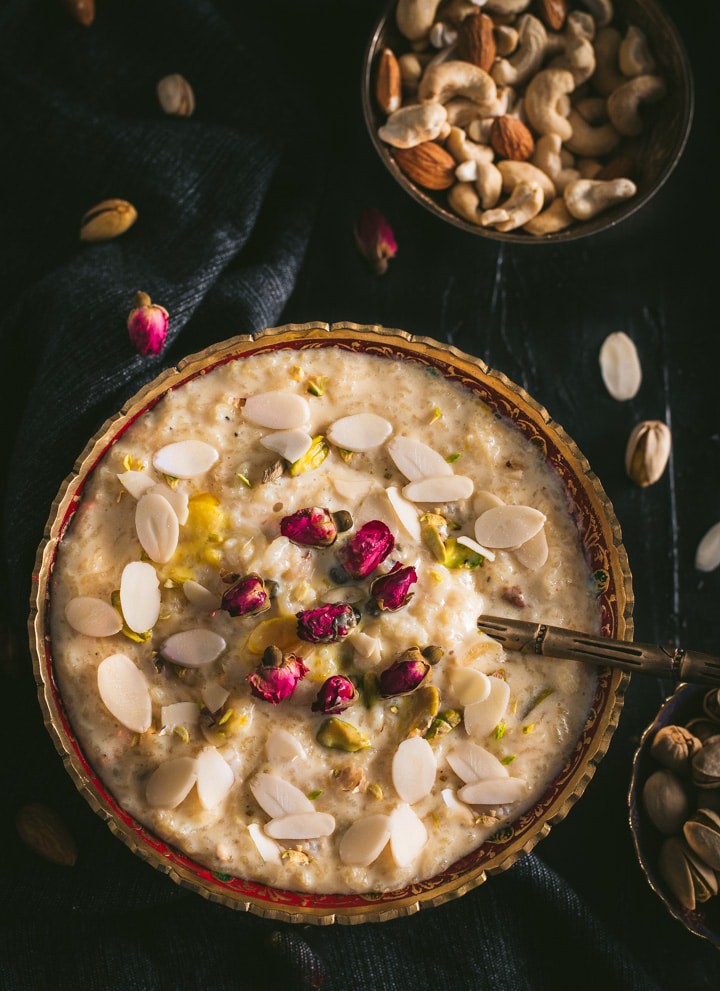
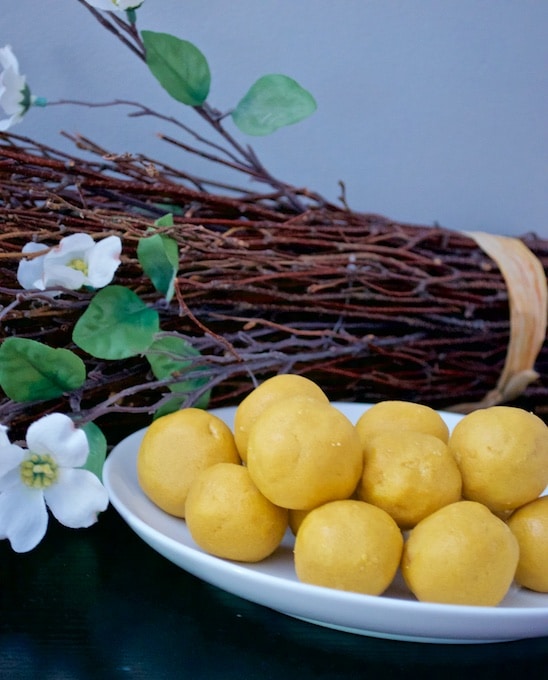
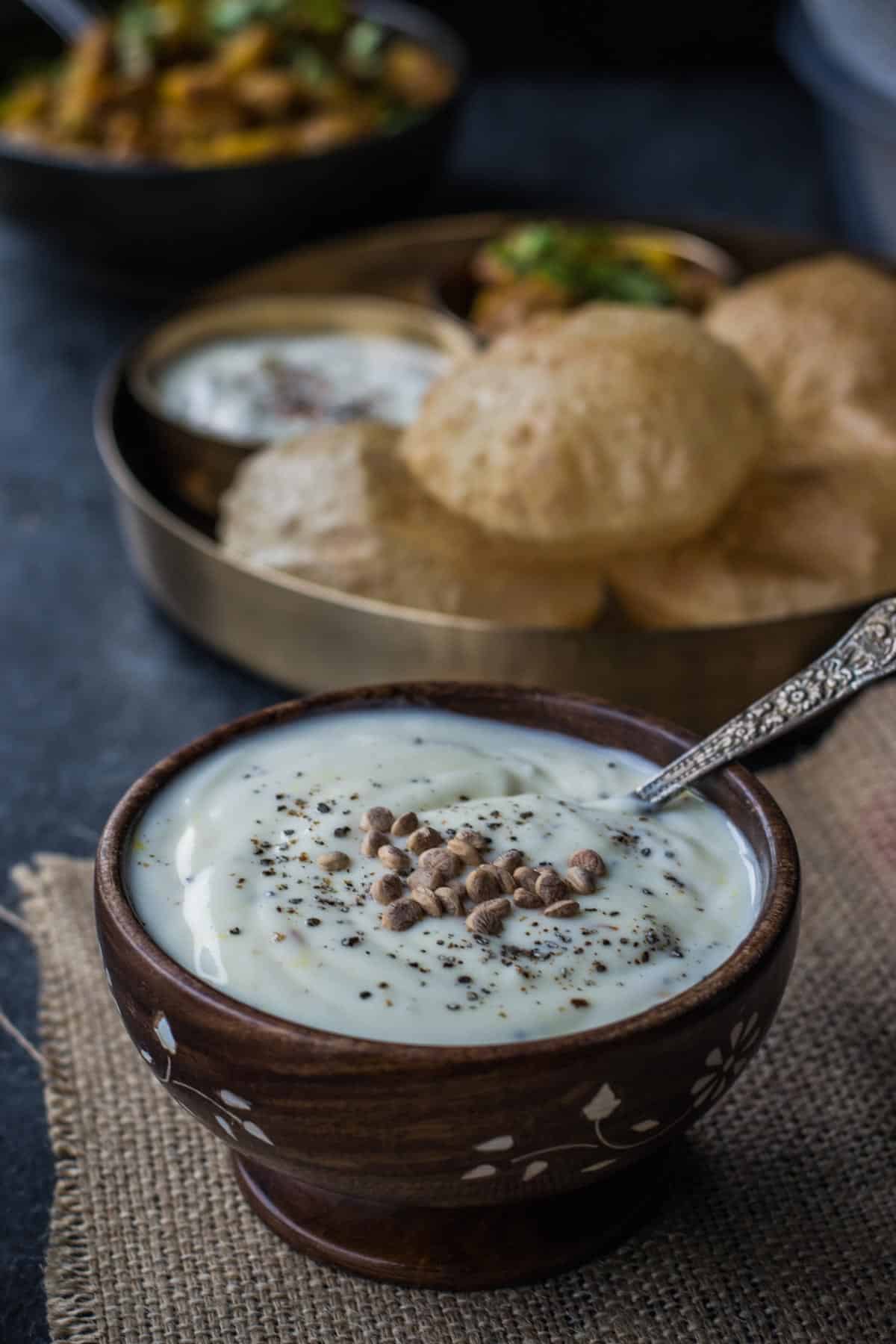
BROWSE BY TYPE
Explore Indian sweets by type and occasion
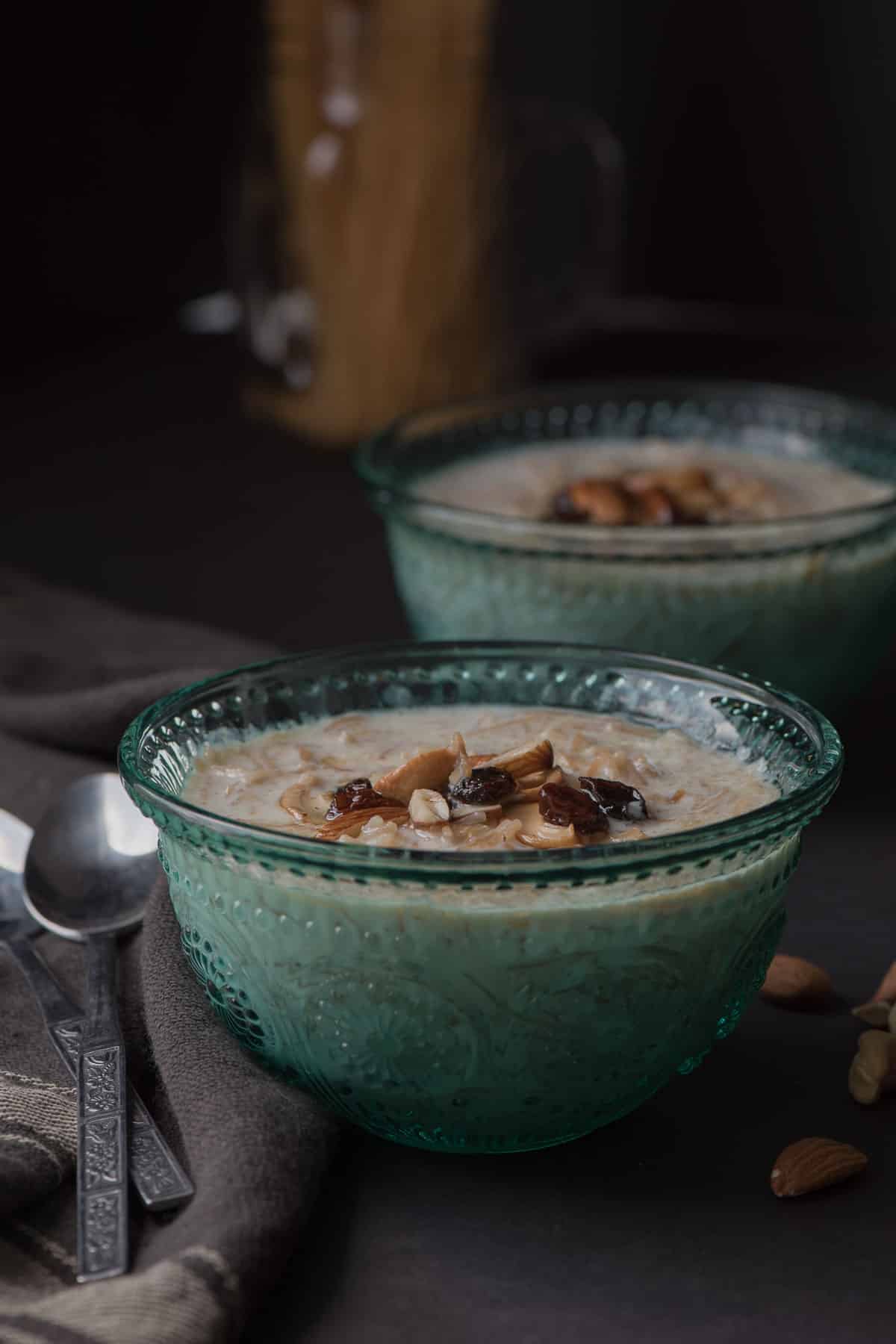
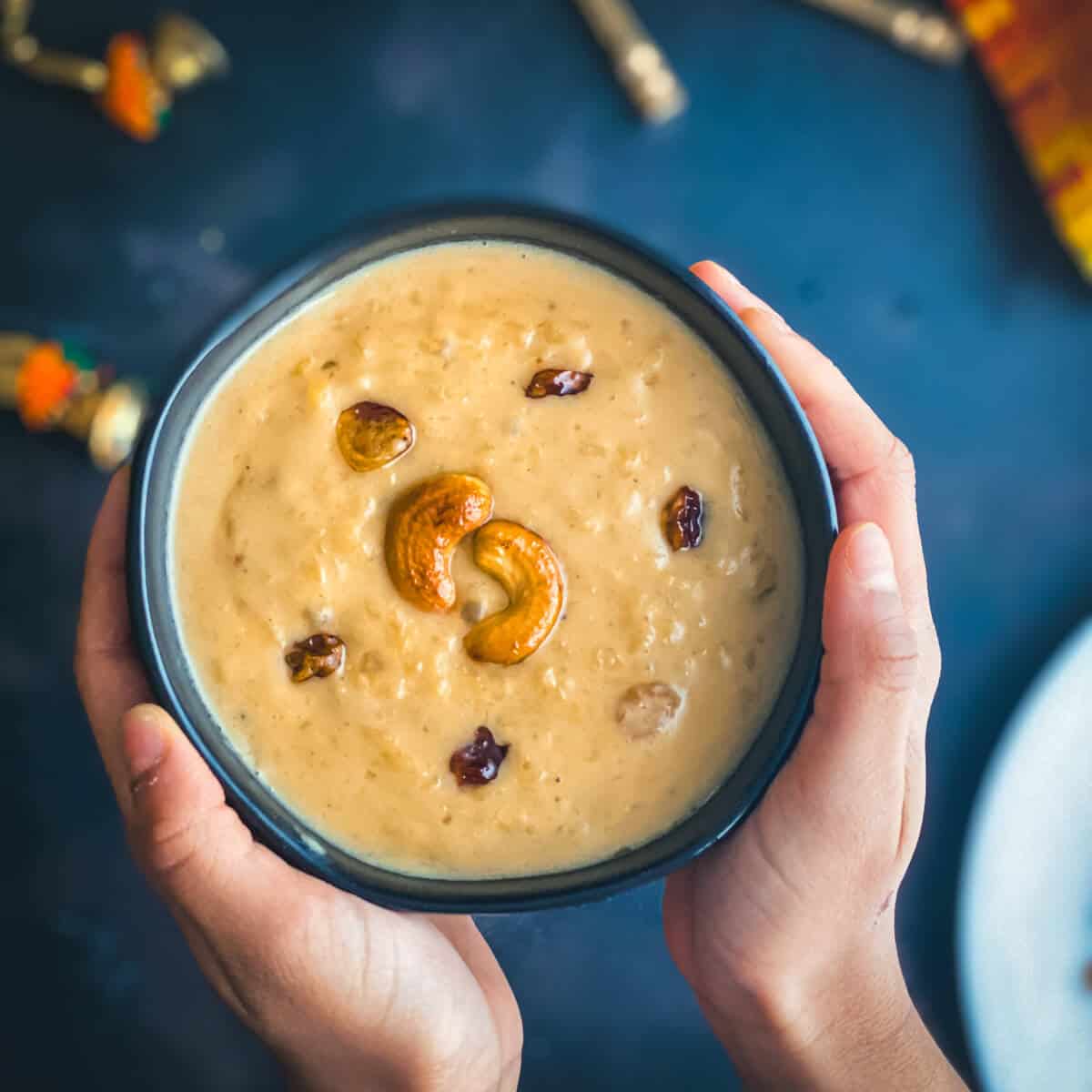
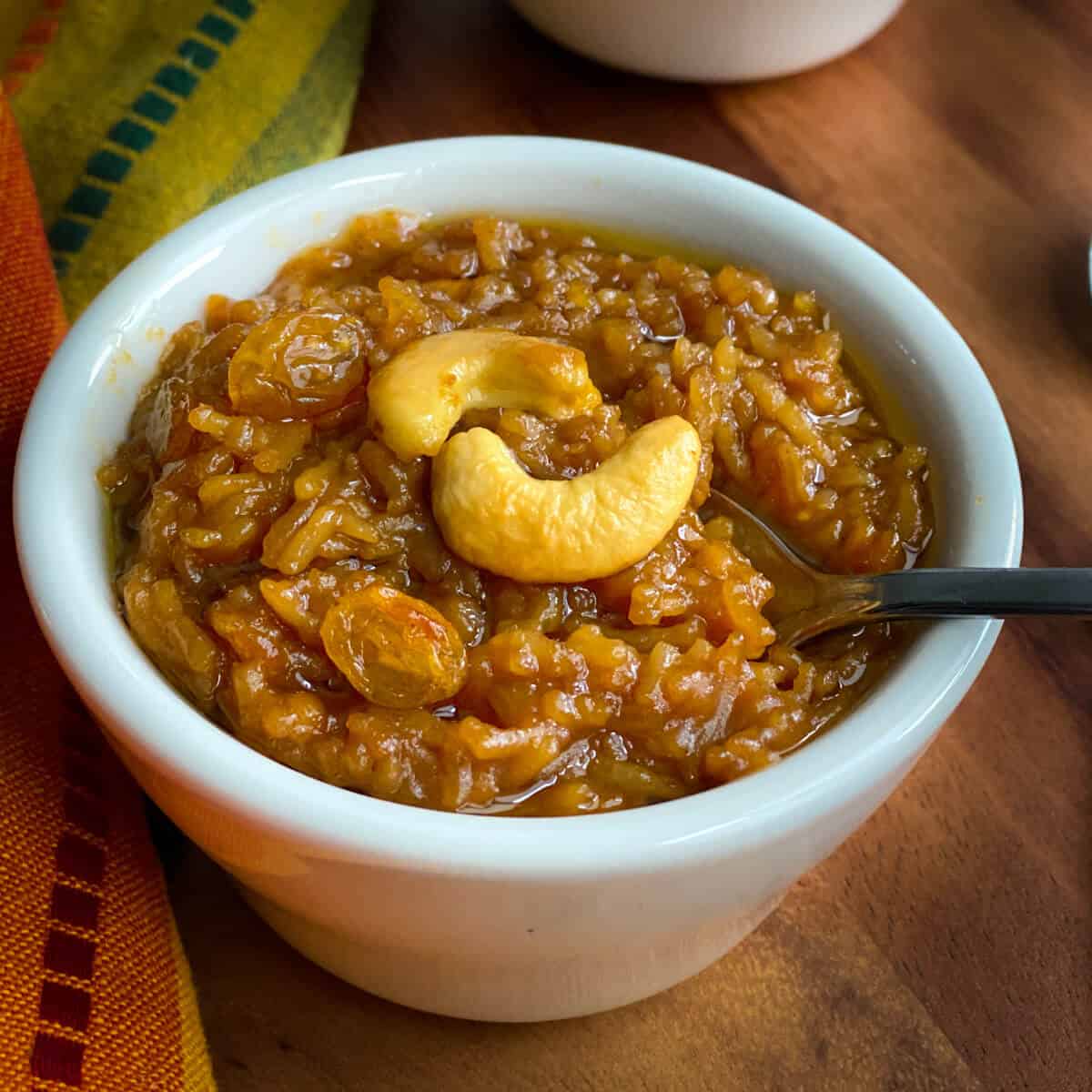
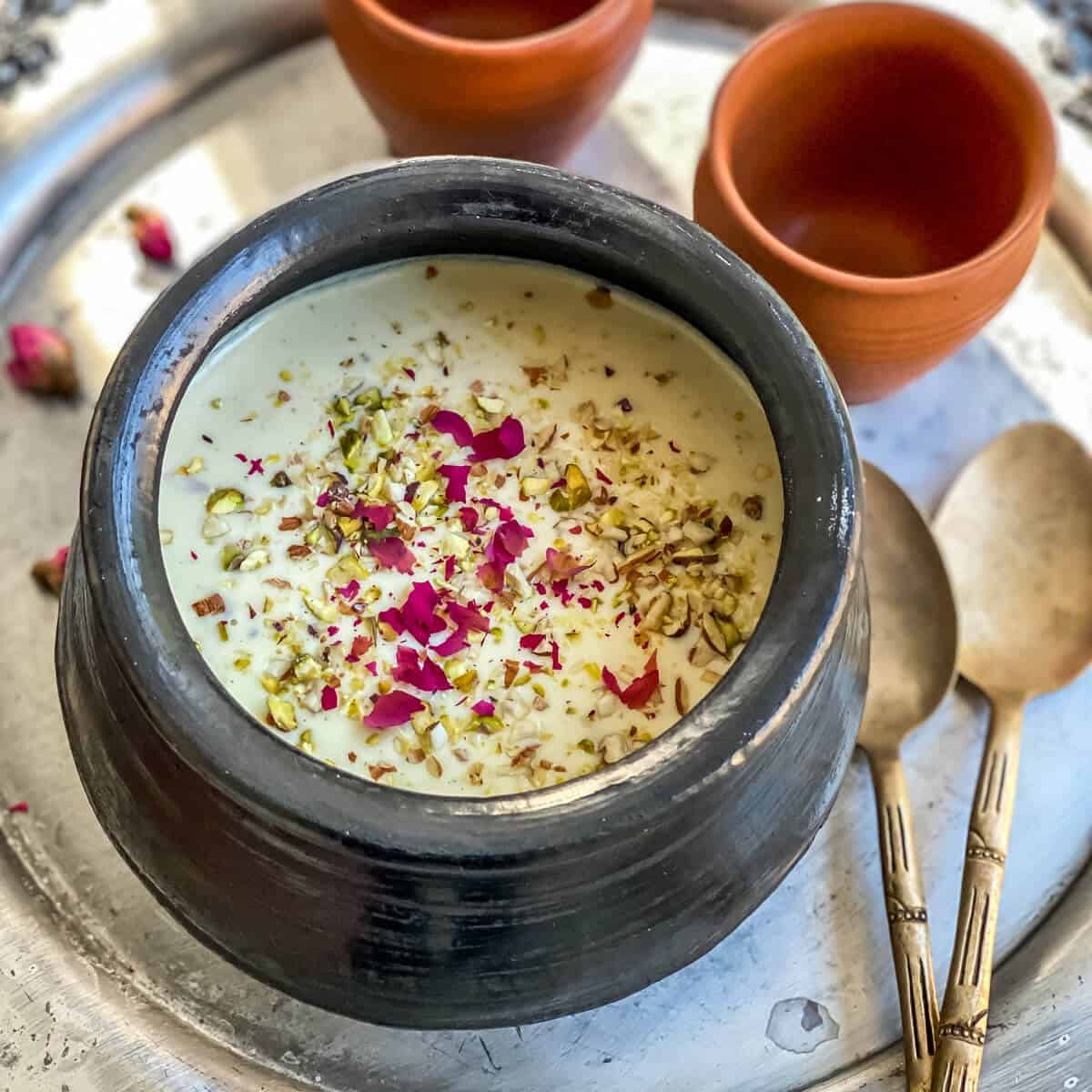
Kheer & payasam
Kheer is the North Indian term. Payasam is the South Indian one. Both describe slow-cooked, aromatic puddings that appear at every celebration and most ordinary Sundays. Payasam often uses jaggery rather than sugar.
Halwa
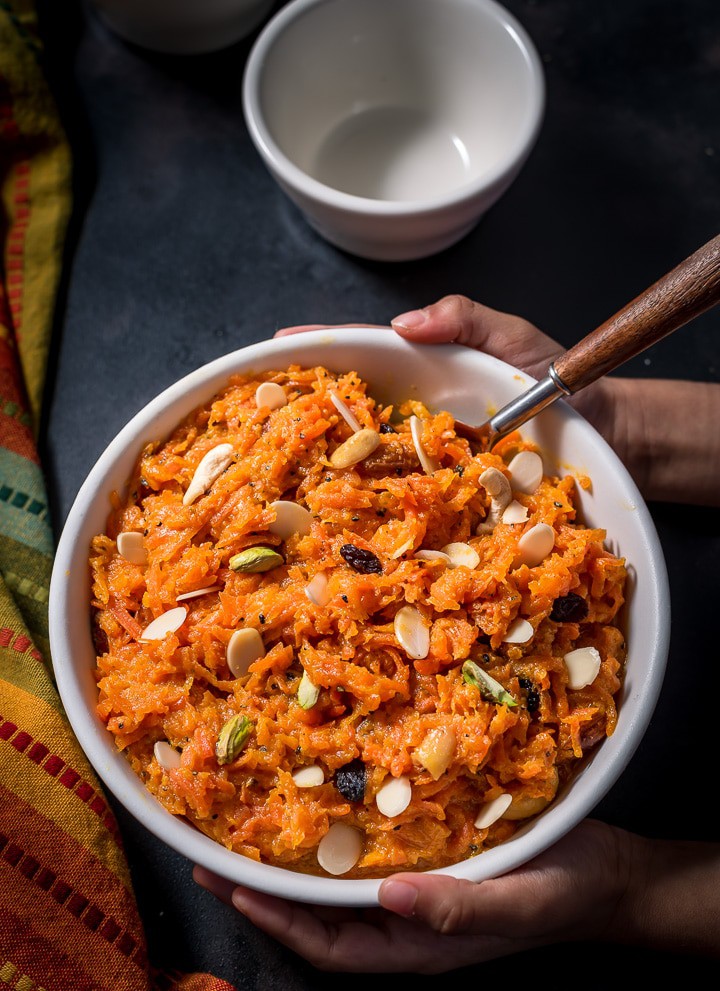
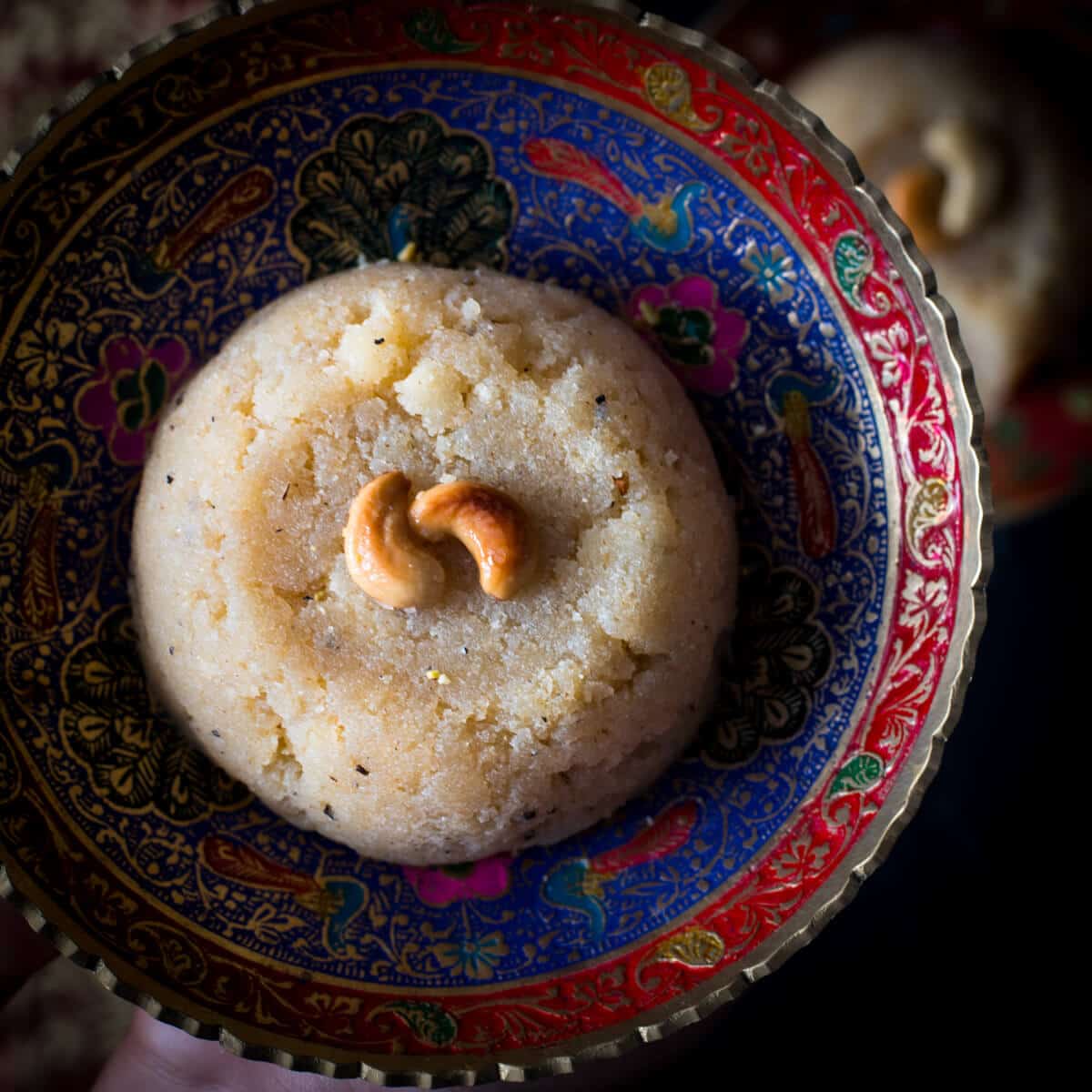
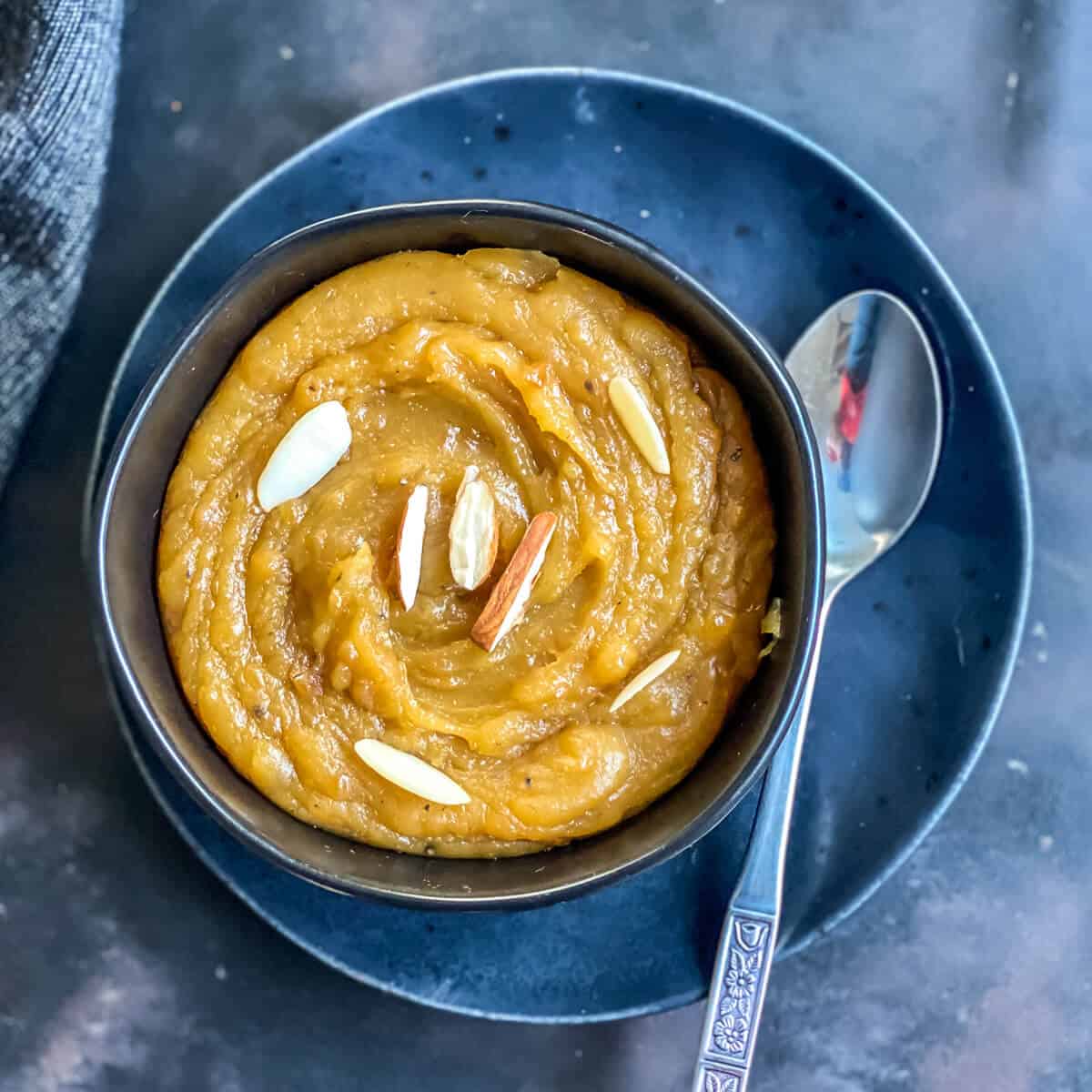
The slow-cooked sweets made by cooking flour, vegetables, or lentils in ghee with milk and sugar until everything transforms. Gajar halwa is a winter sweet. Suji halwa appears at pujas and breakfast tables. Moong dal halwa takes patience and produces something extraordinary.
Barfi & Fudge
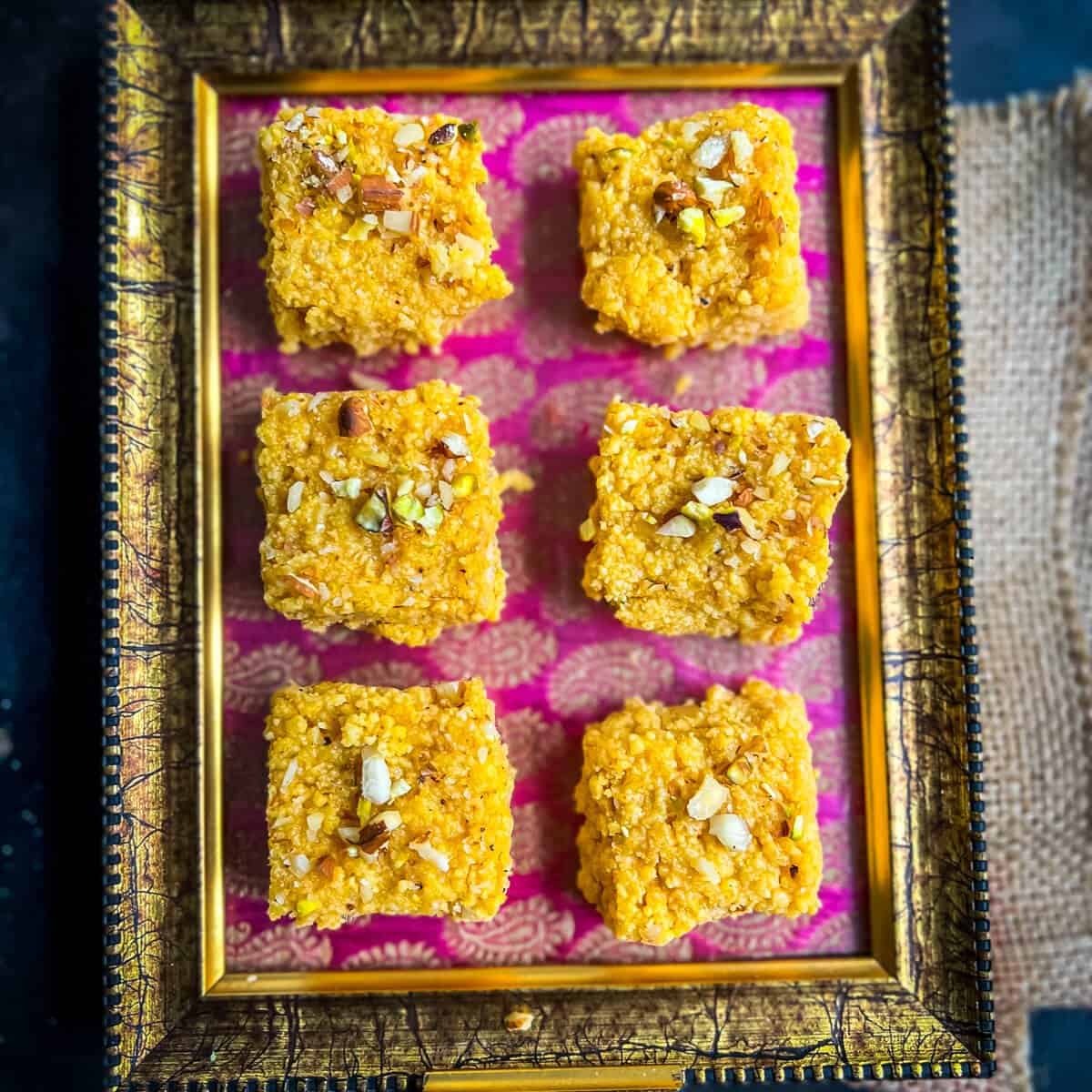
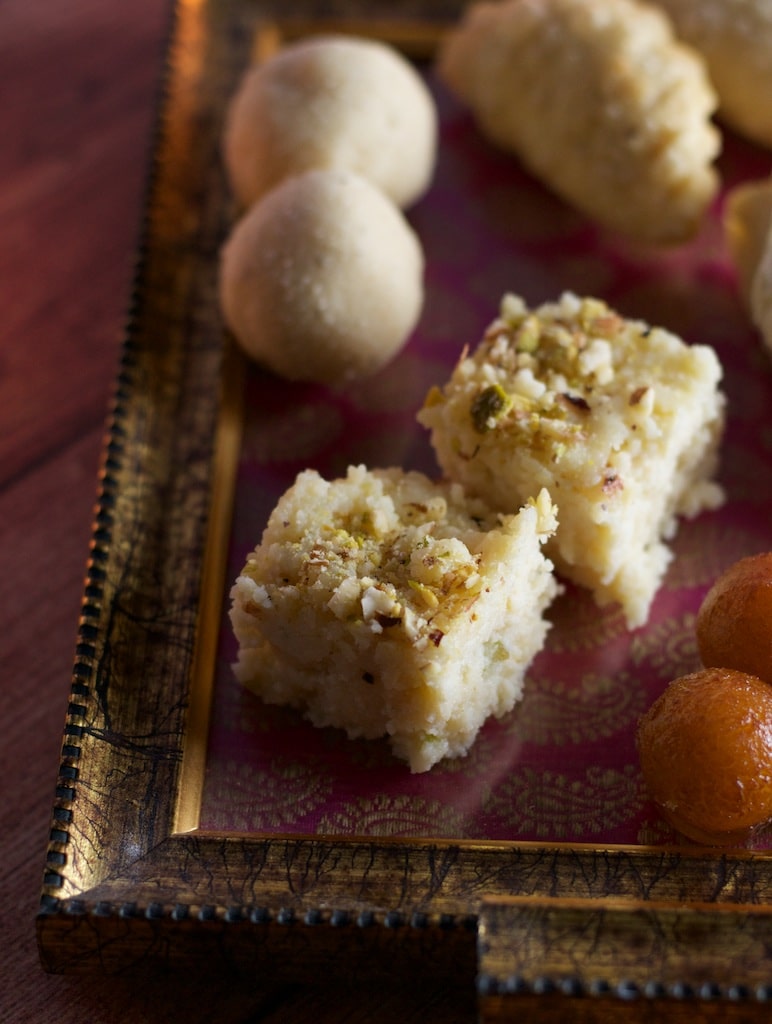
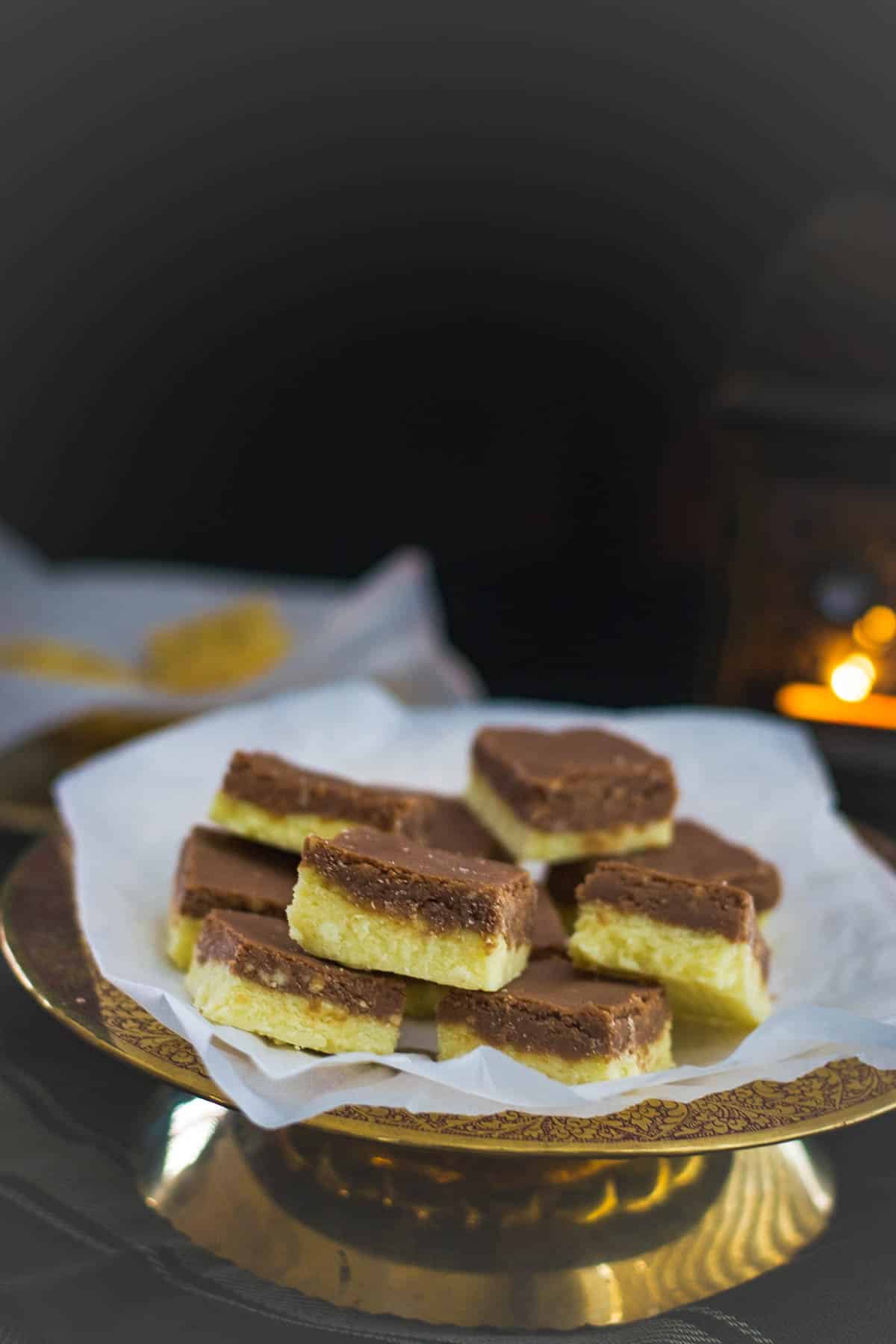
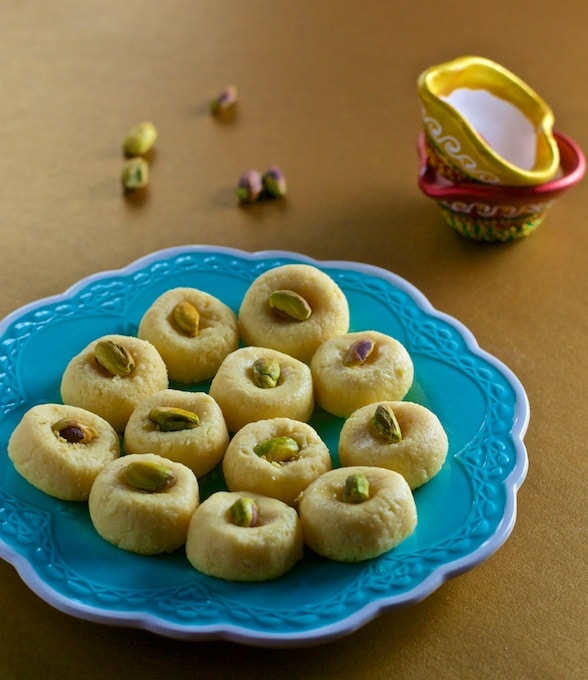
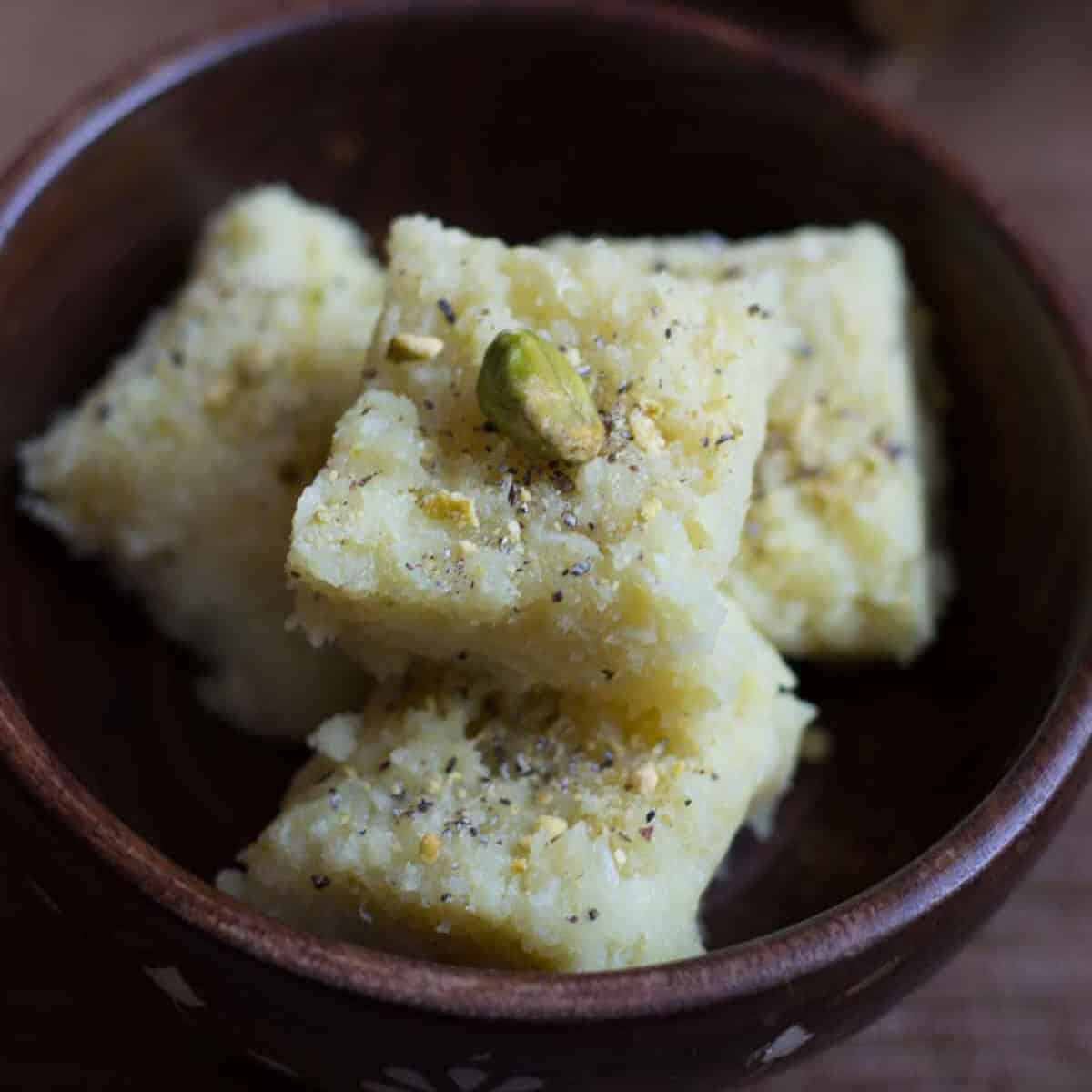
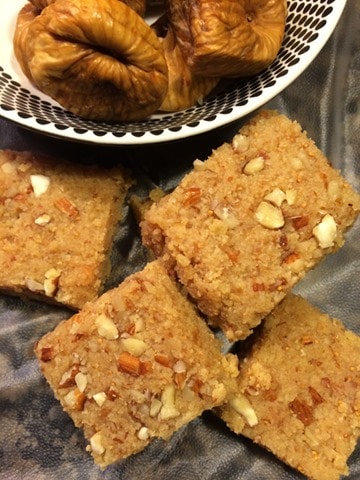
Kaju katli, coconut barfi, chocolate barfi, kalakand, anjeer barfi, milk peda. The set sweets of India, cut into diamonds or squares or pressed into moulds.
Laddoo
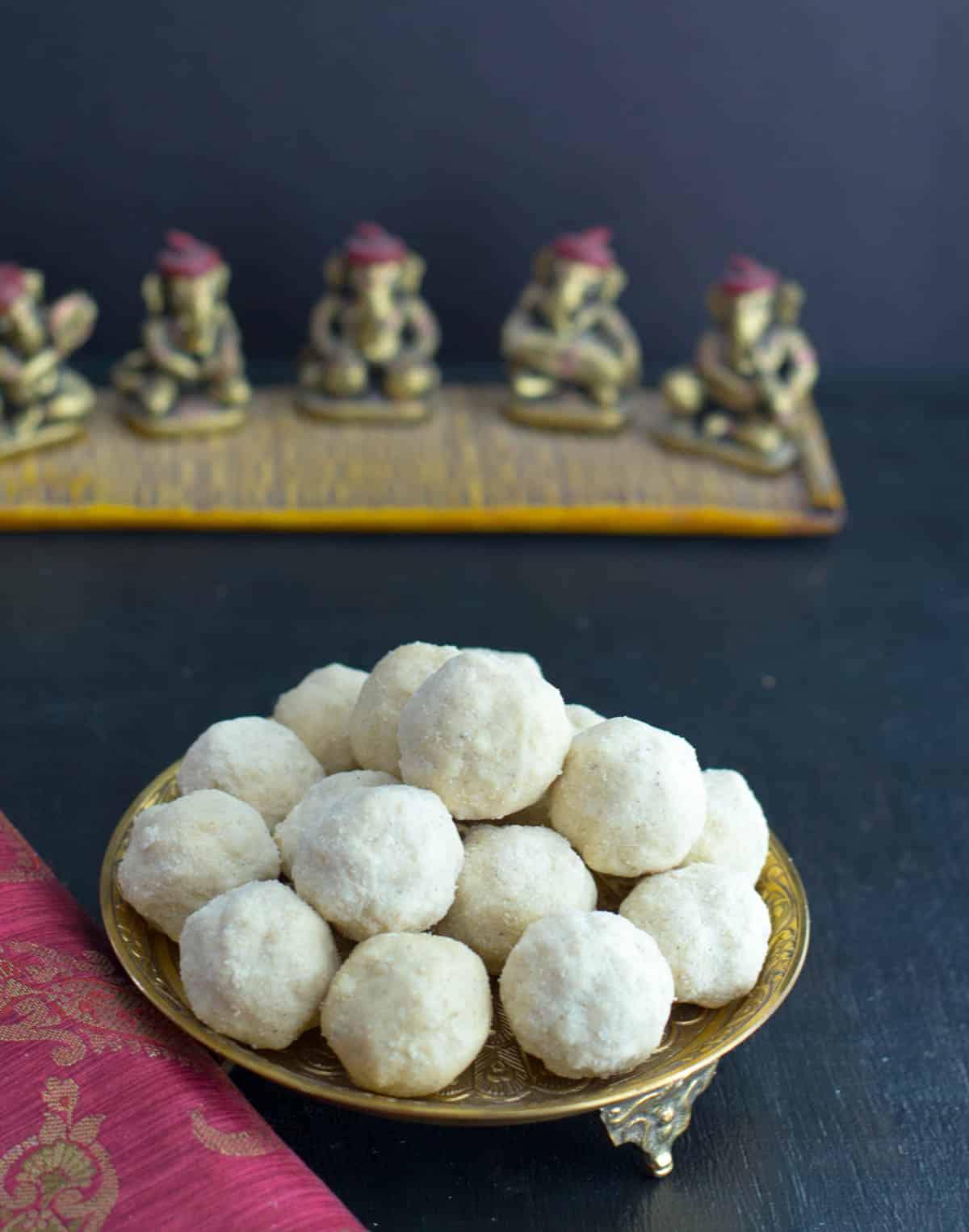
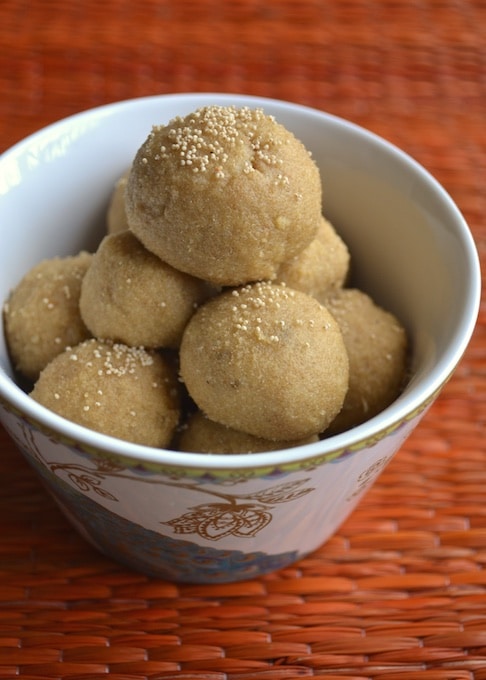
Rolled round balls that can be made ahead and kept for weeks. Besan ladoo is the most important of them. The smell of roasted gram flour in ghee is announcement enough that something good is being made.
Festival & Special Occasion
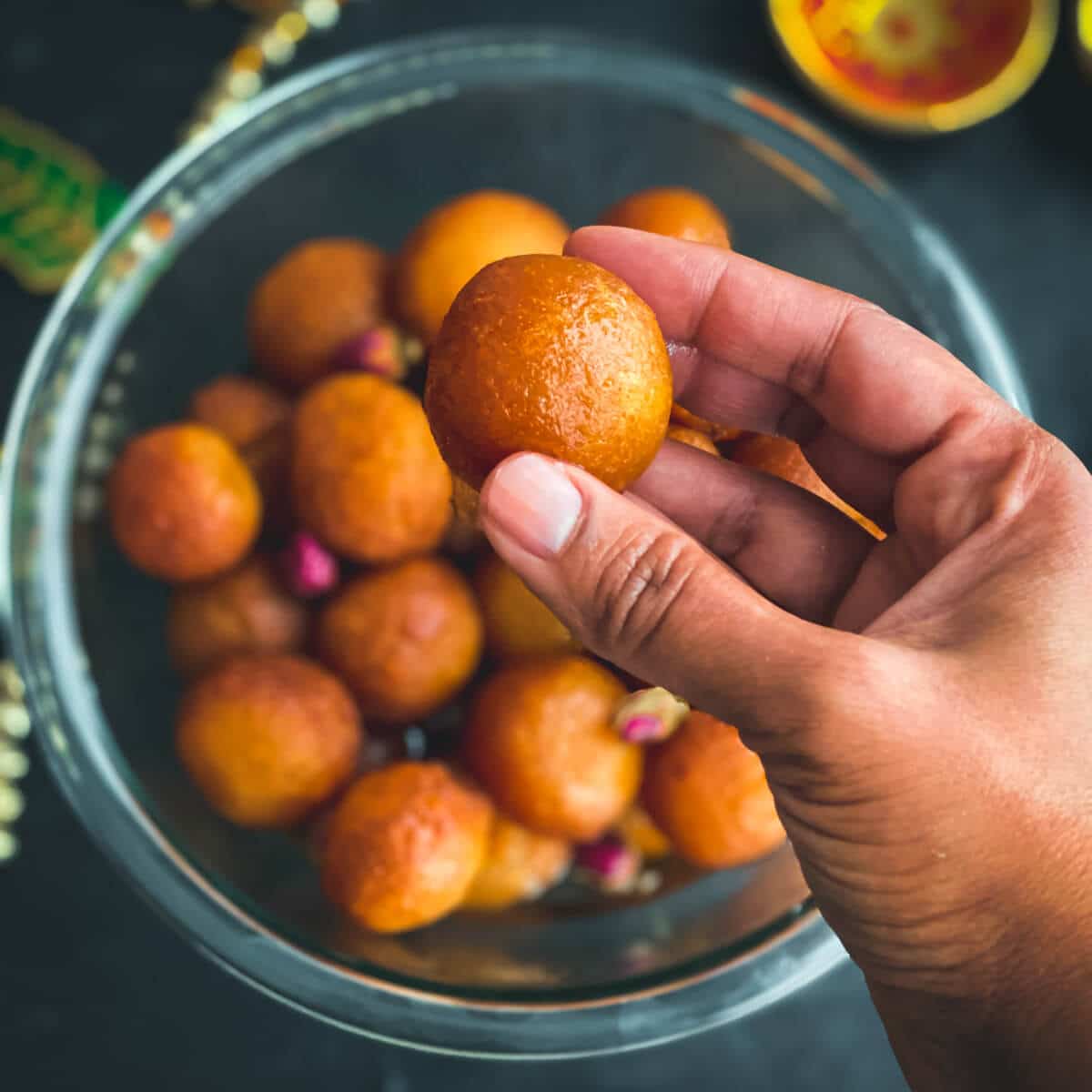
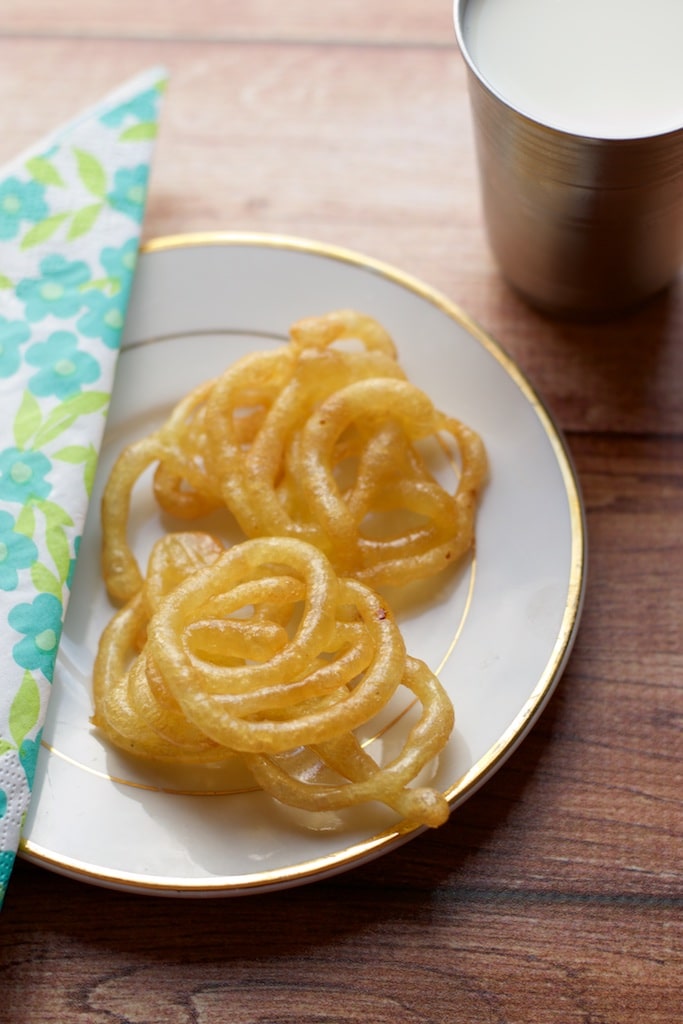
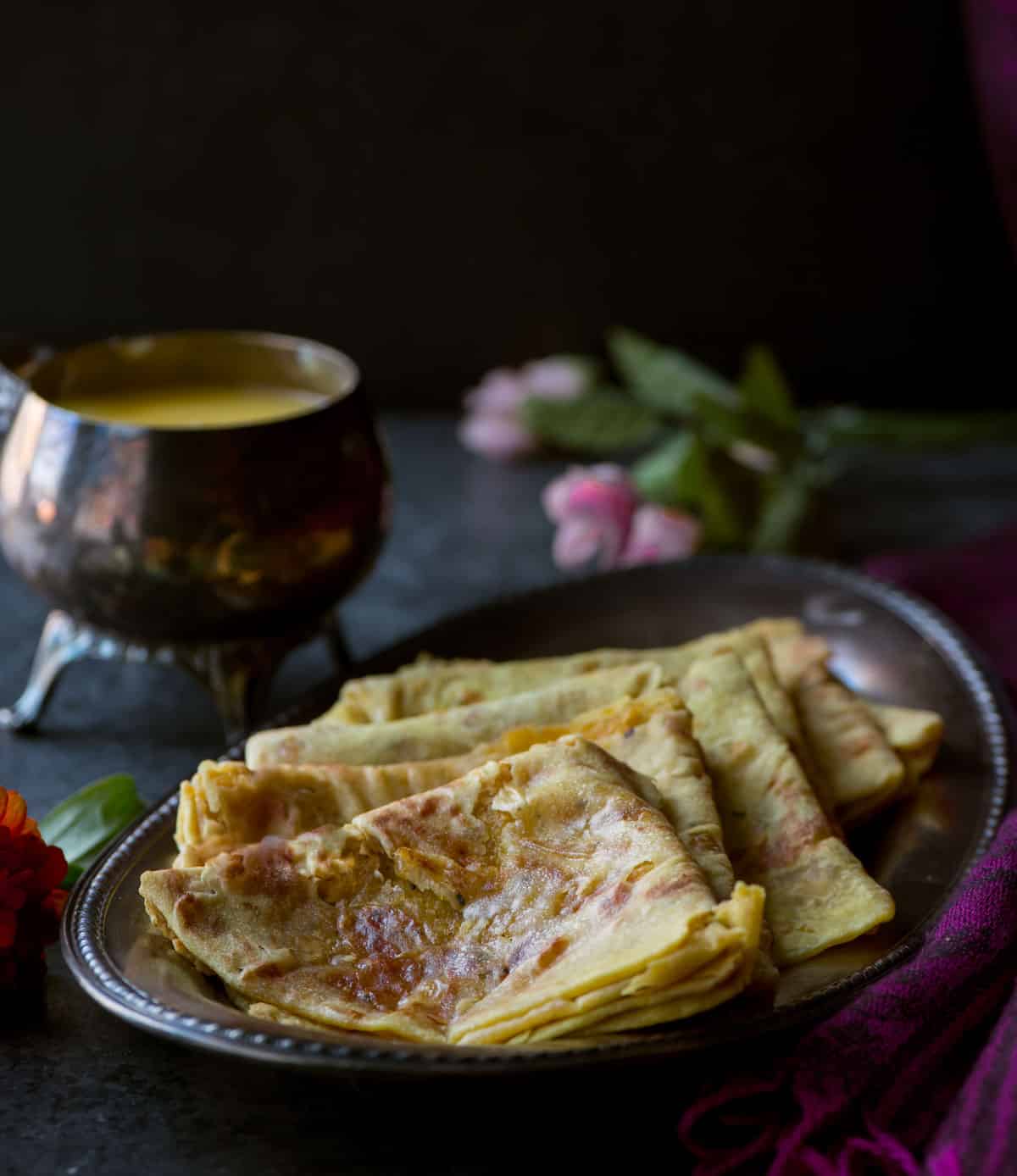
Sweets are generally made for specific occasions. Jalebi for breakfast on festival mornings. Gulab jamun at every celebration. Puran poli for Holi and Ganesh Chaturthi. Moong dal payasam for Ugadi, Sweet Pongal for Pongal. And kaju katli, barfis, and ladoos for Diwali - the festival that has more sweets than any other. For a complete Diwali spread of sweets and savoury snacks, this Diwali recipe collection has everything you need.
Mangalorean Sweets
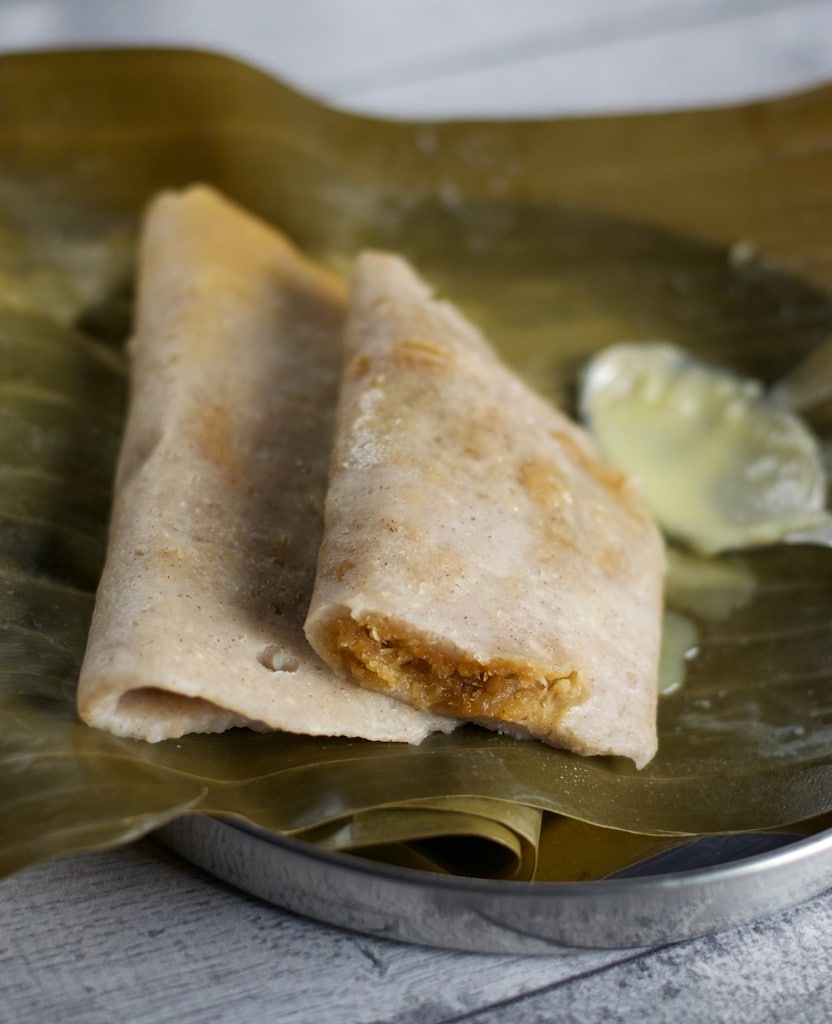
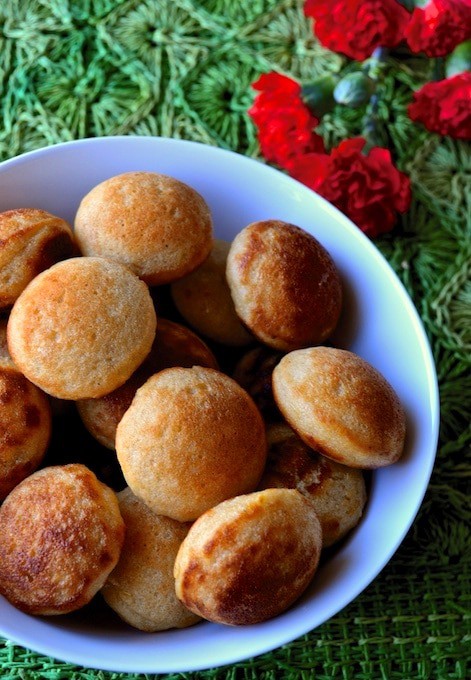
Gatti, guri appa, and moong dal payasa - sweets specific to the Tulu Nadu tradition. Gatti is steamed. Guri appa is pan-fried in a special mould, similar to an aebleskiver pan. None of them appear in commercial Indian sweet shops, none travel far outside the community, and all three are documented here because they deserve to be.
HOW TO SERVE THEM
Serving suggestions
- Festival table → Kaju katli, besan ladoo, and coconut barfi alongside savoury snacks
- Winter afternoon → Gajar halwa warm from the pan with a scoop of ice cream
- Celebration dessert → Warm gulab jamun soaked in sugar syrup
- South Indian celebration → Rice kheer or moong dal payasam after a full South Indian meal
- Weekend treat → Shrikhand with poori
- Pooja prasad → Suji halwa with kala chana and poori
FREQUENTLY ASKED
Questions about Indian sweets
Barfi is a set sweet: the mixture is cooked, spread into a tray, allowed to firm up, then cut into shapes - usually diamonds or squares. Ladoo is a rolled sweet: the mixture is shaped by hand into balls while still warm. Both are made from similar base ingredients, such as chickpea flour, semolina, or condensed milk, but their techniques and textures differ.
Shrikhand is the easiest: it requires no cooking. Coconut barfi comes together in under 15 minutes. Suji halwa takes under 30 minutes and is forgiving for beginners. Rice kheer in the Instant Pot is the easiest kheer; just set it and leave it. Start with any of these before attempting kaju katli or gulab jamun, both of which require attention to temperature and technique.
Most Indian sweets are designed to be made ahead. Ladoos keep for 2 to 3 weeks at room temperature. Barfis keep for a week. Halwa keeps for 4 to 5 days in the refrigerator and reheats well with a splash of milk. Kheers keep for 2 to 3 days, but thicken in the refrigerator. Just add a little warm milk when reheating. Gulab jamun keeps well soaked in sugar syrup for up to a week in the refrigerator.
KEEP EXPLORING
Related Collections
Most of the festival sweets here: kaju katli, gulab jamun, jalebi belong alongside the savoury dishes in Starters & Street Food as part of a complete festive spread. The shrikhand belongs alongside puri from Roti, Paratha & Naan. The kheer and payasam belong at the end of a meal from Dal & Legumes or Rice & Biryani. And gatti, the most underdocumented sweet in this collection, belongs to the same coastal Karnataka tradition as the recipes in the Mangalorean Food collection.
More recipes from this collection
-
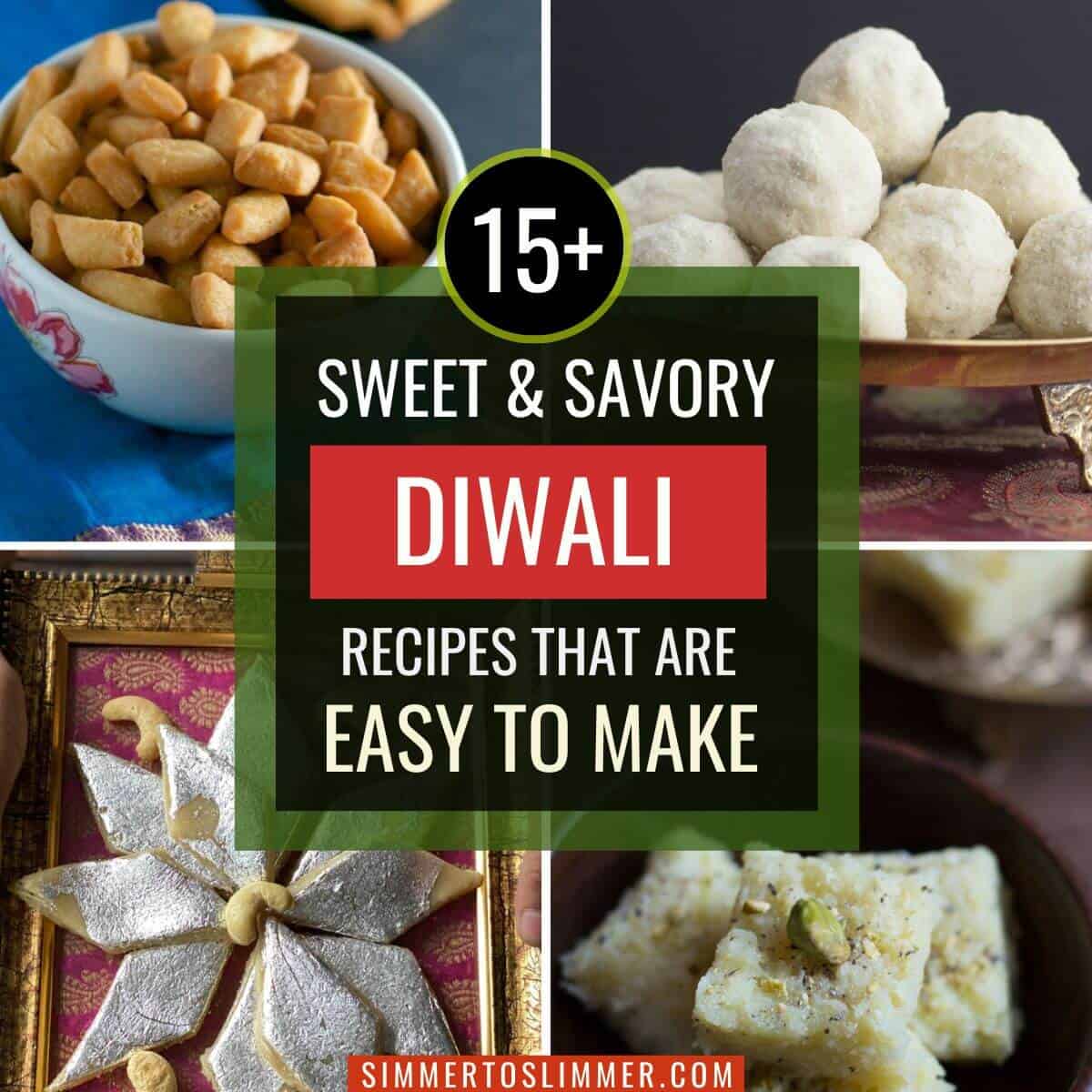
15+ Easy Diwali Recipes (Snacks + Sweets)
-
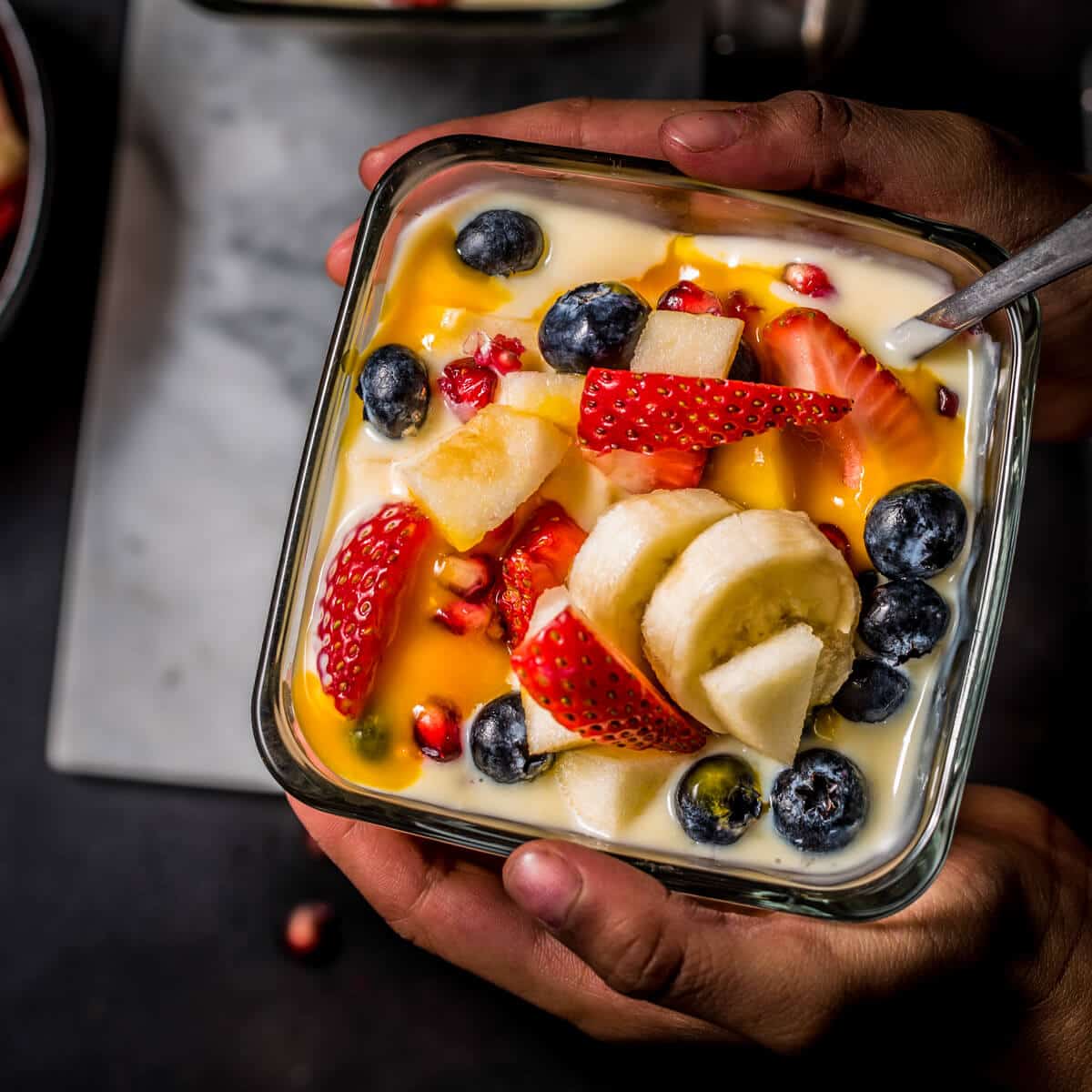
Easy Fruit Custard / Indian Fruit Salad
-
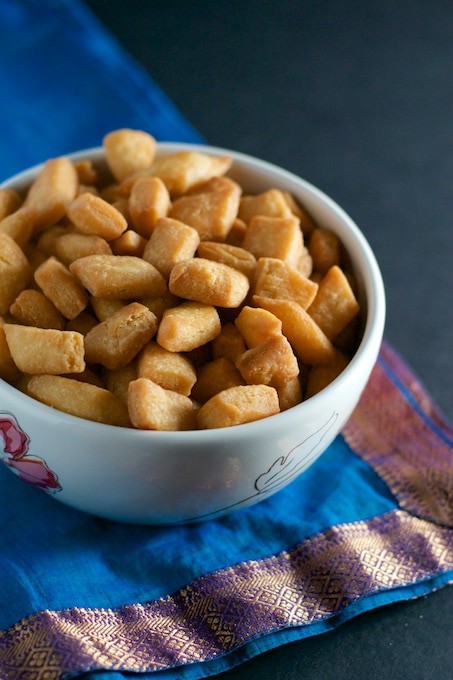
Shakarpara (Shankarpali)
-
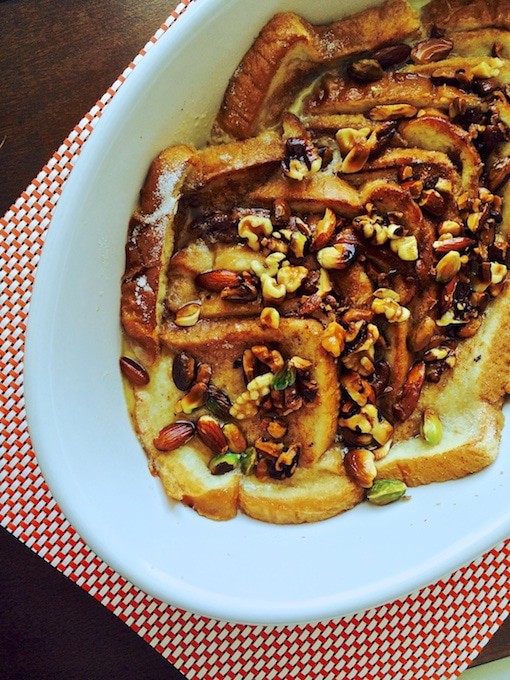
Double Ka Meetha
-
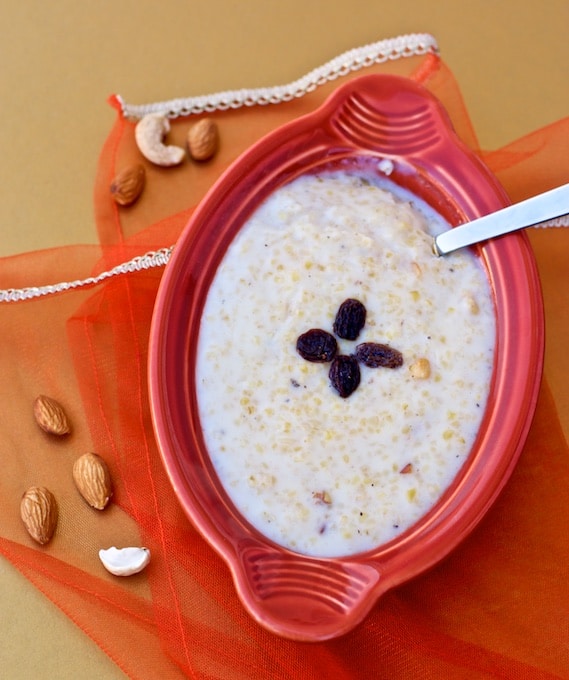
Cracked Wheat Payasam
-
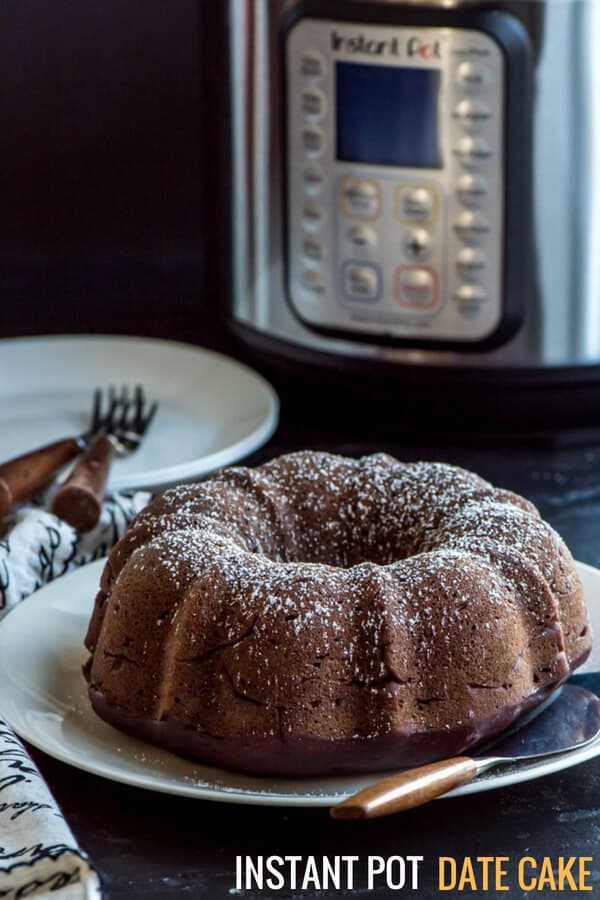
Instant Pot Date Cake
-
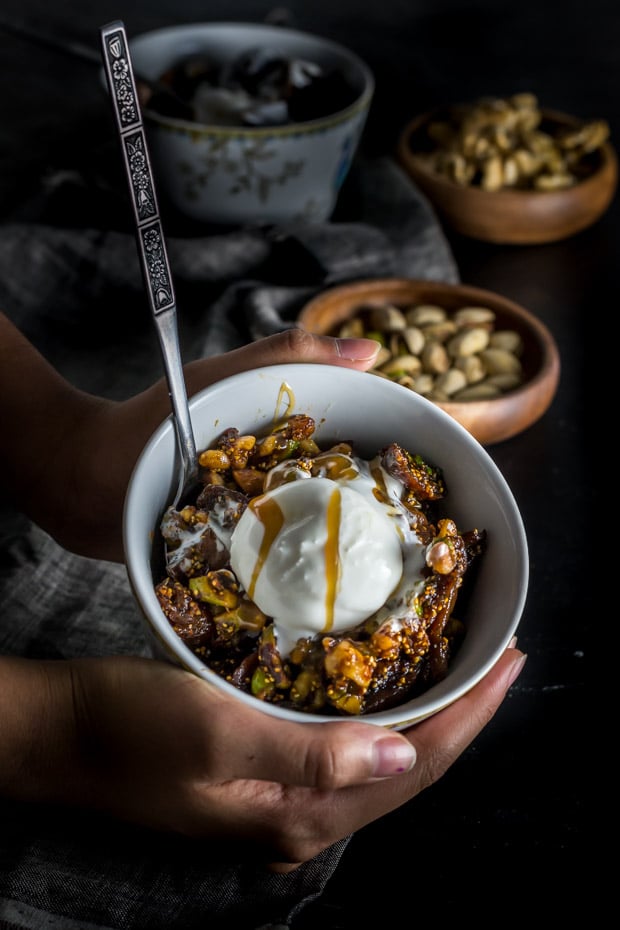
Fig And Walnut Halwa
-
20+ Instant Pot Dessert Recipes (Indian and more)
-
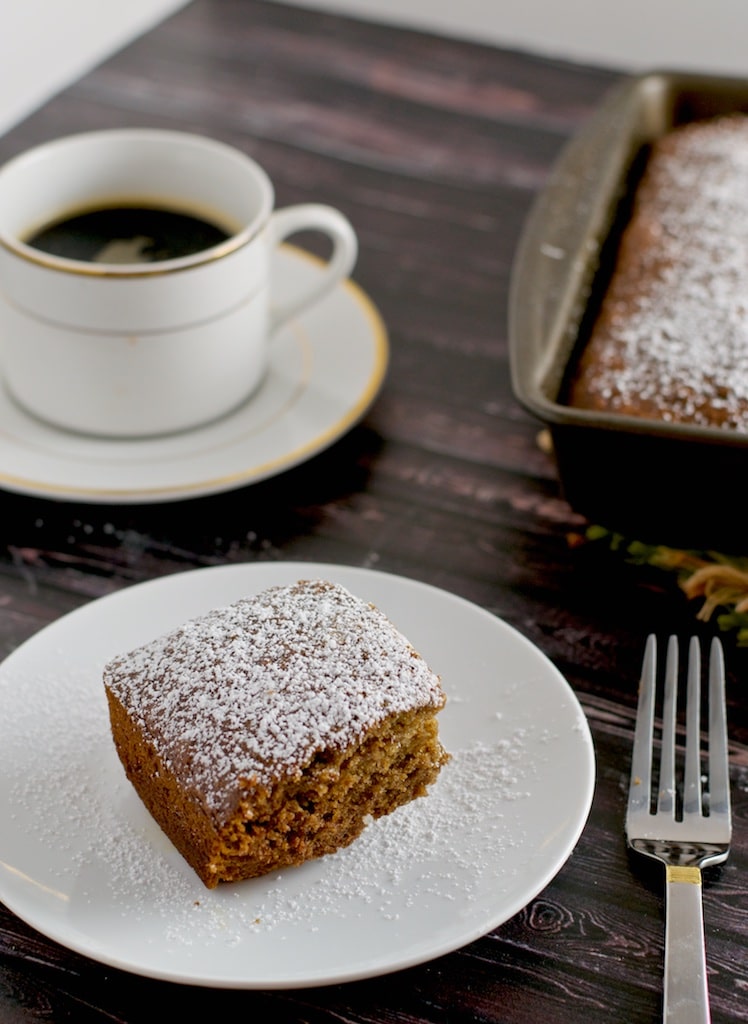
Date Cake
-
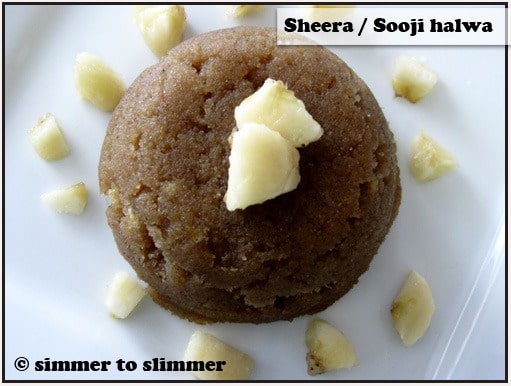
Sheera / Sooji halwa with banana
-
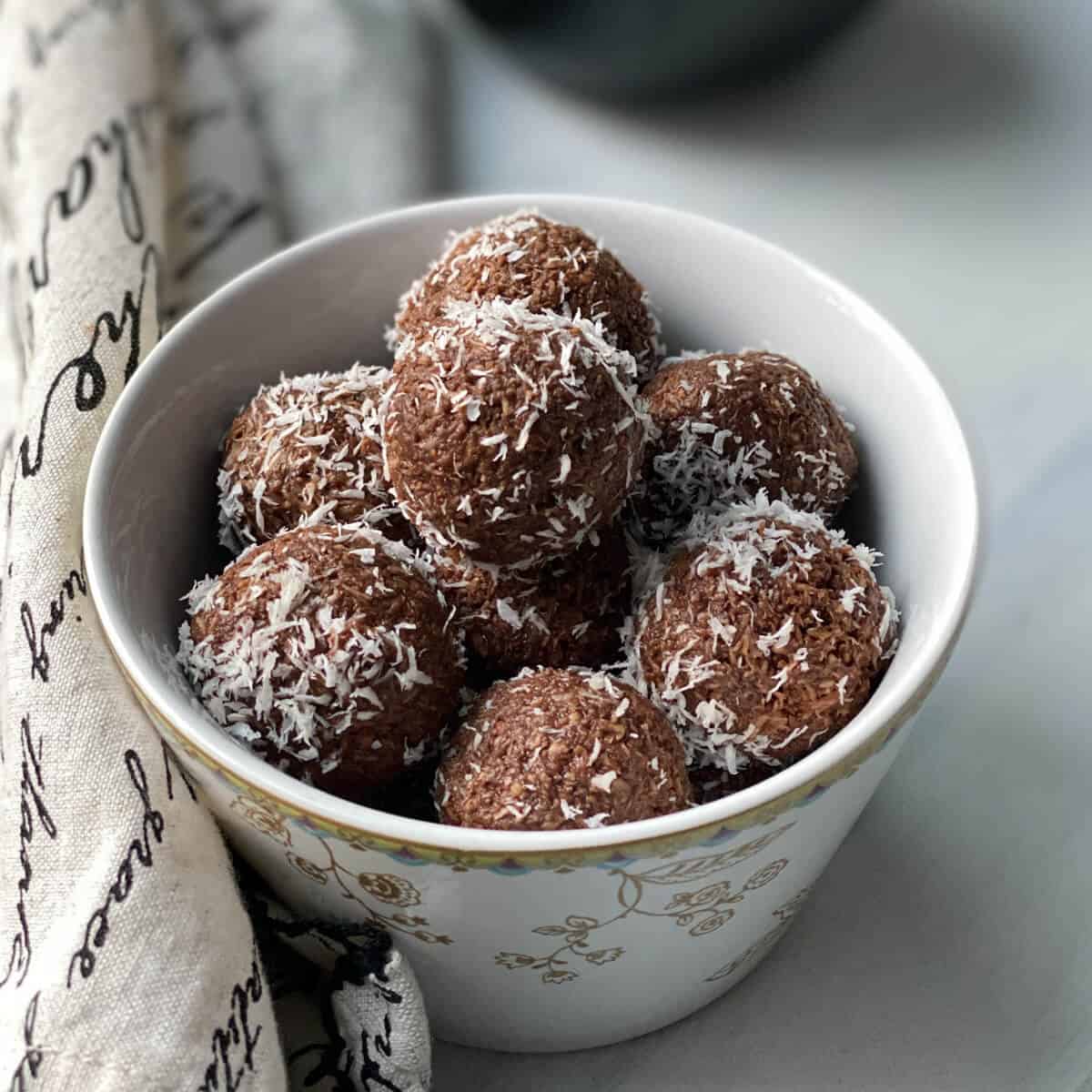
Easy Chocolate Coconut Balls (Ladoo)
-
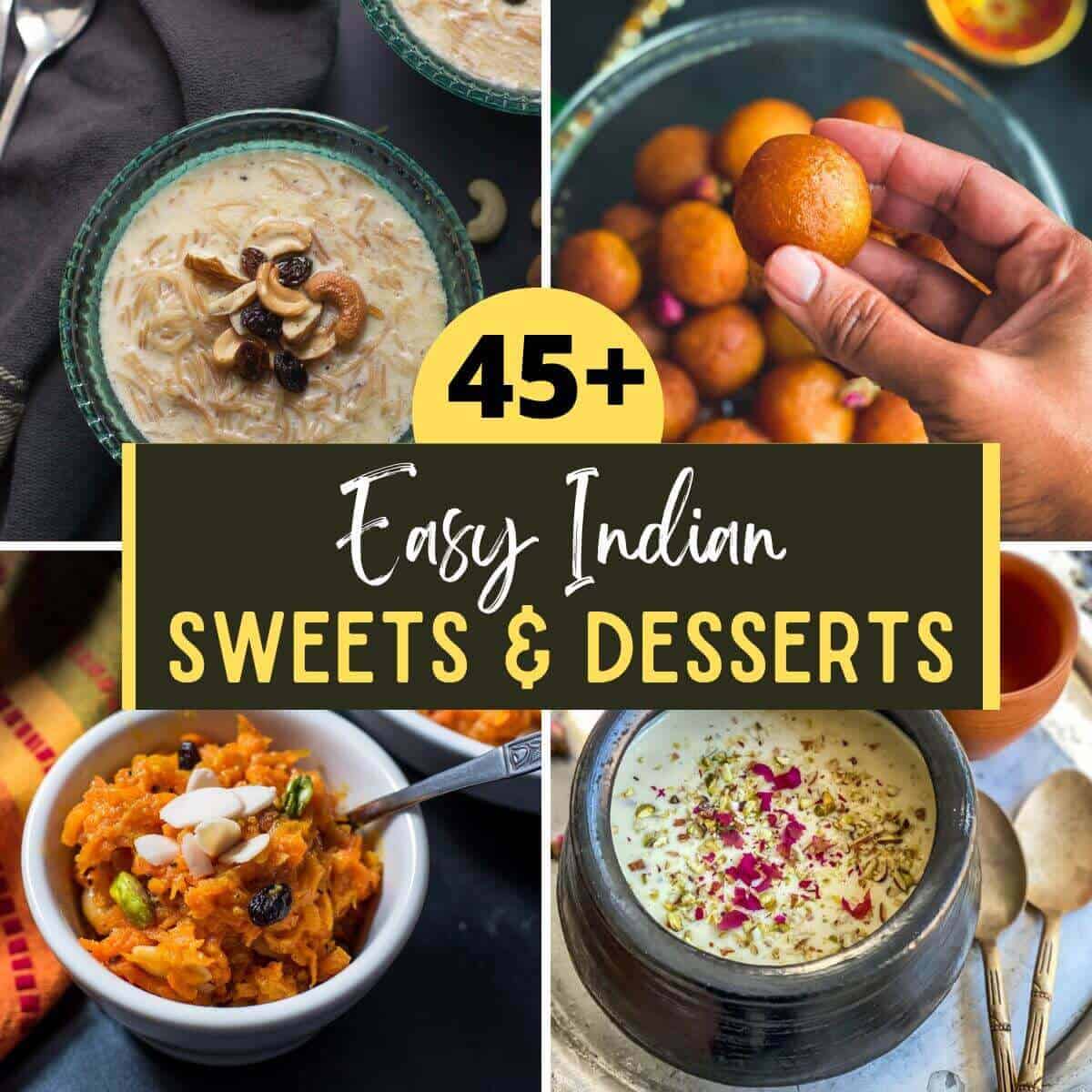
45+ Easy Indian Sweets and Desserts that are a must-try
-
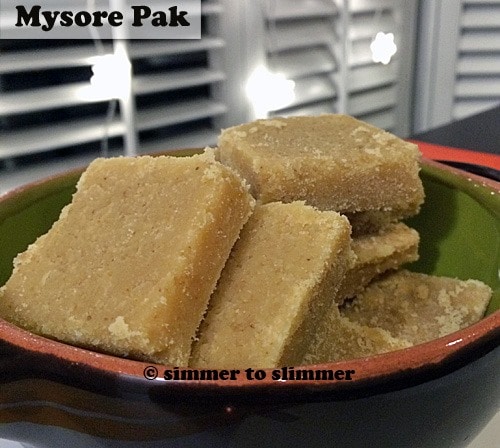
Mysore Pak
-
Easy Mango Kalakand