Indian Breads (Roti, Paratha, & Naan)
Indian bread is not a side note. It is what you use to scoop up the curry, dunk into dal, and mop up whatever is left on the plate. Every region in India has its own breads, made from locally available ingredients, cooked in different ways - pan-fried, deep-fried, or baked in a tandoor.
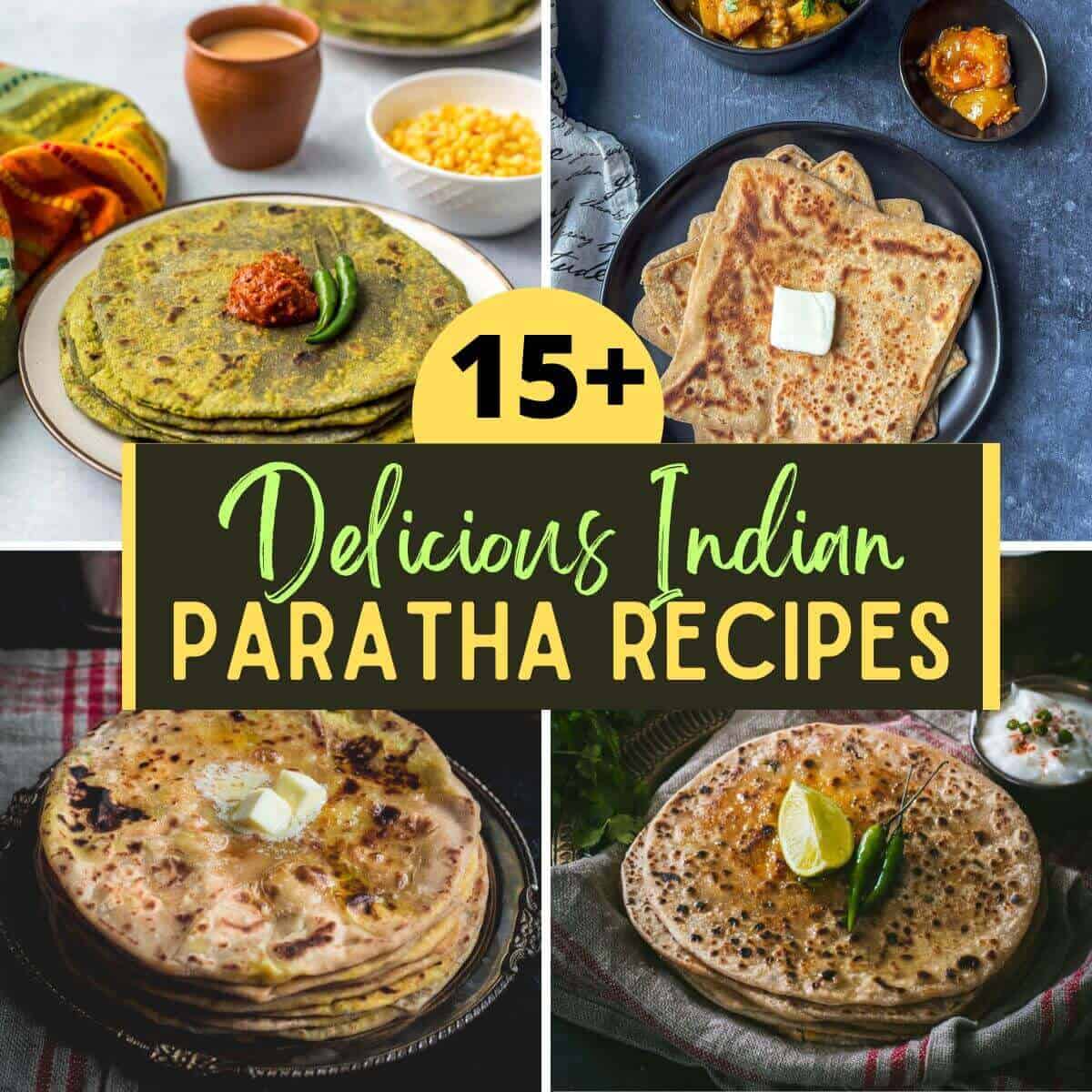
This collection covers the full range, from the simplest everyday roti to layered lachha paratha to stuffed parathas that are a meal on their own. Most of these go with raita on the side, and the stuffed ones especially are not complete without a bowl of cold yogurt.
Jump to:
START WITH THESE
Most popular Indian breads
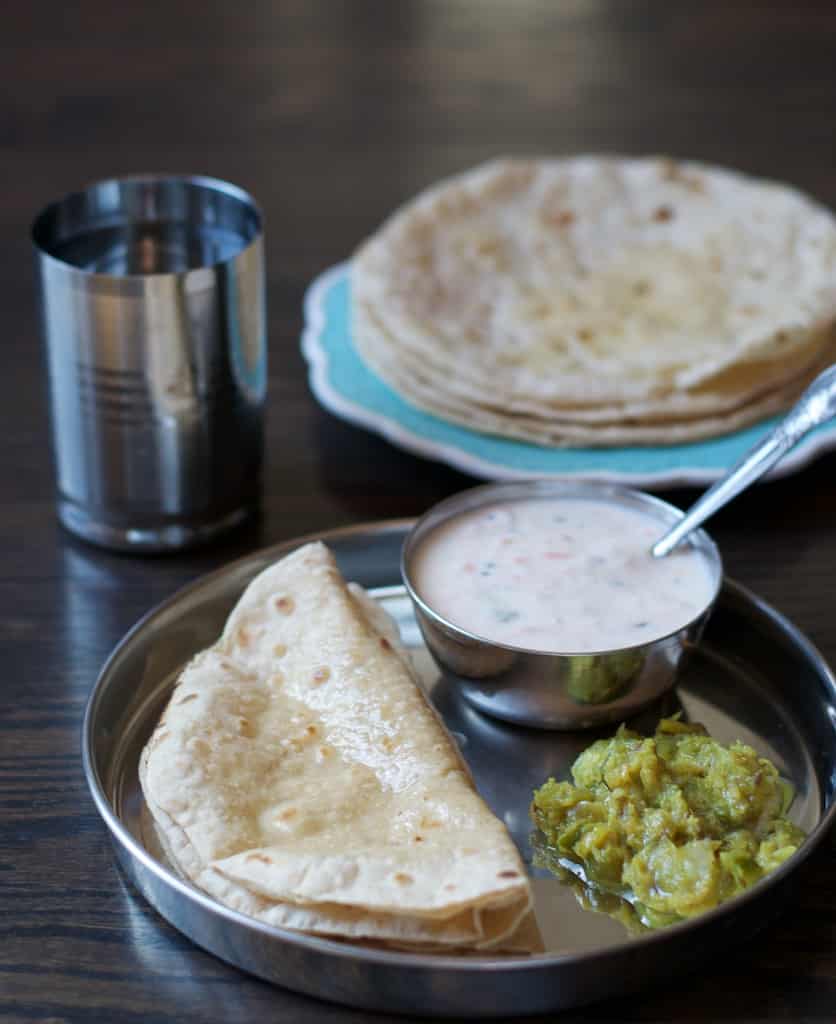
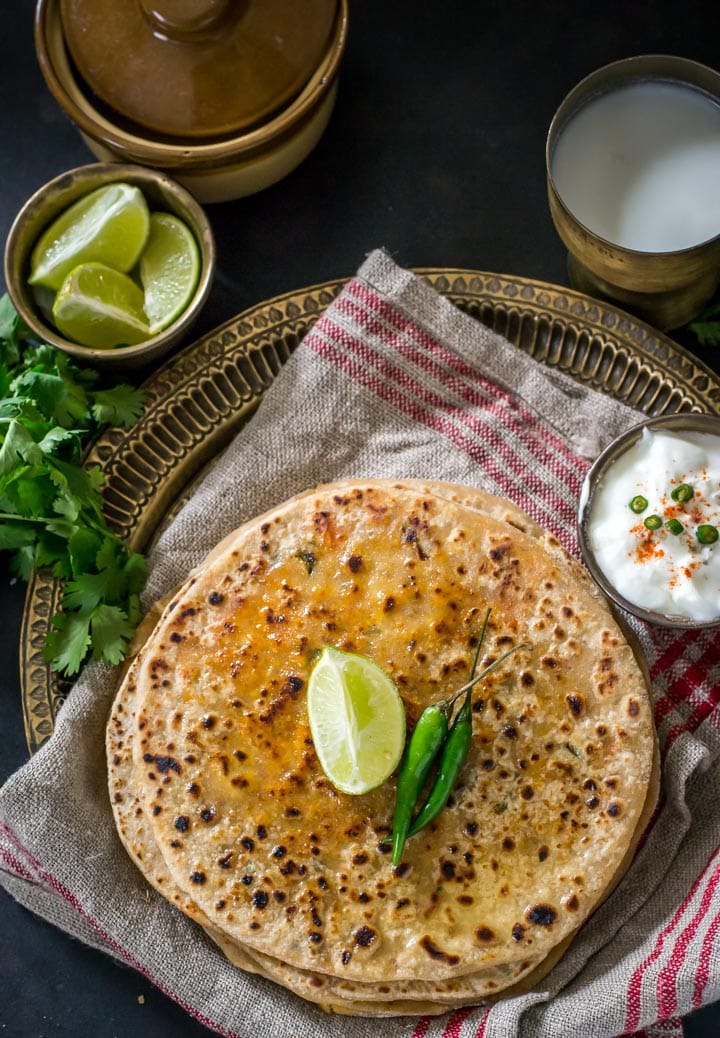
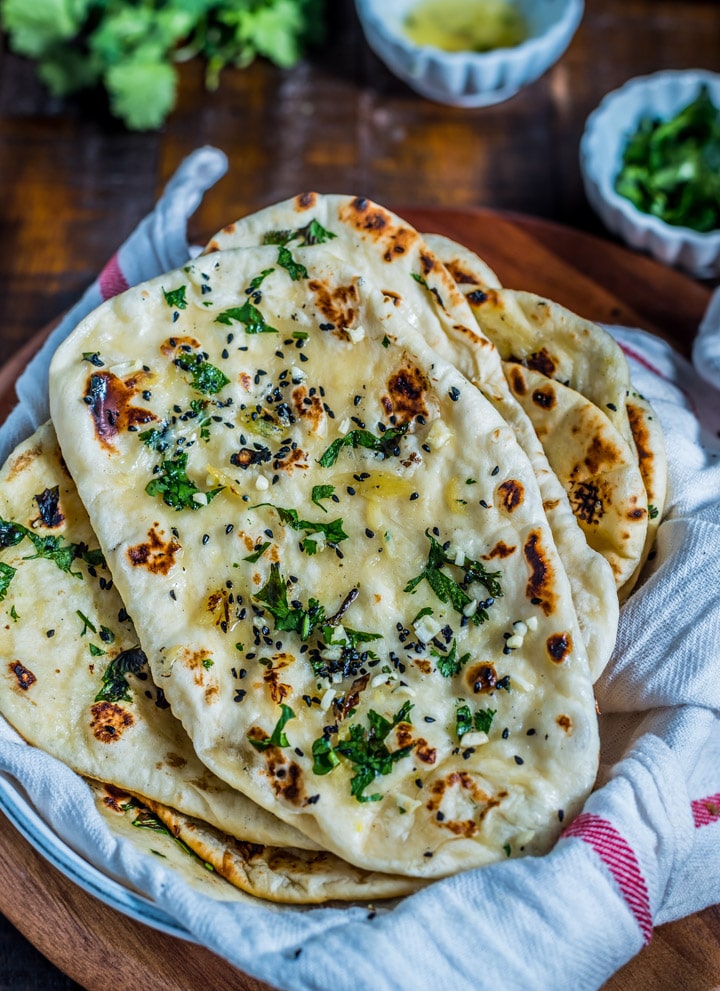
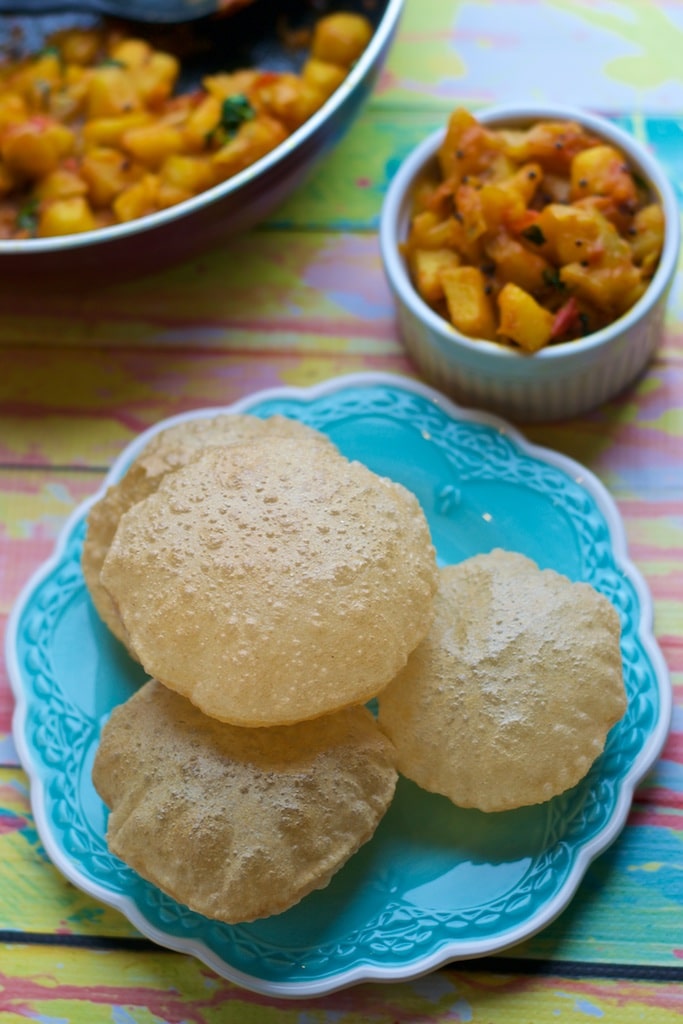
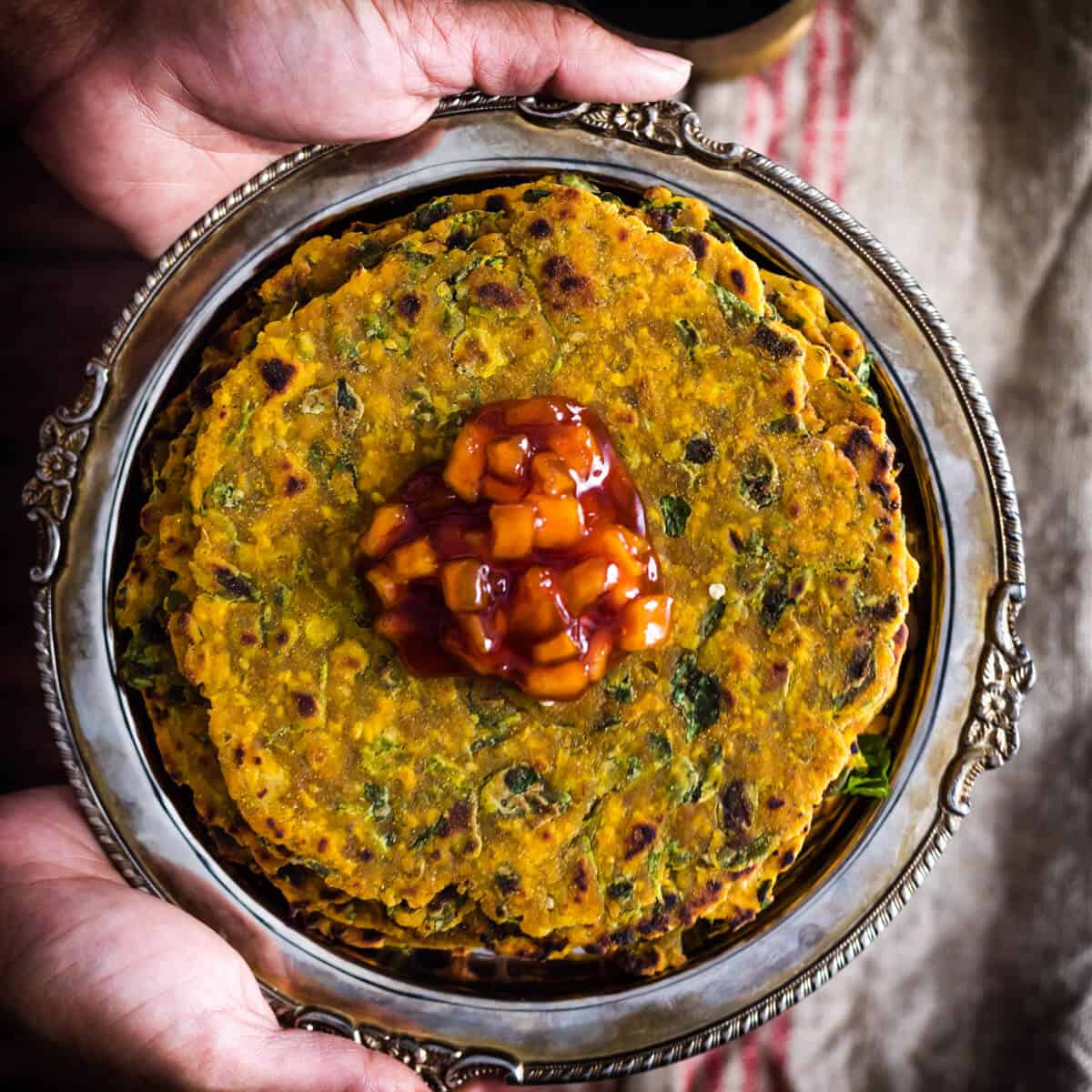
When I arrived in the US as a student, I had no experience making rotis. The chapatis I made in those first few months were a disaster. They were nowhere close to round and so hard I could probably have used them as frisbees. With time and practice, I finally figured it out. There is a trick to making soft rotis that no one tells you until you have made enough bad ones to understand what you are doing wrong. That roti recipe is the most important post in this entire collection.
Indian flatbreads are as diverse as Indian curries. Every region has its own. North India has parathas and naan. Gujarat has thepla. Karnataka and Kerala have neer dosa and appam - those live in Breakfast. What they all share is the role they play at the table: something to hold, scoop, dip, and carry the rest of the meal with.
FIND THE RIGHT BREAD
Flatbreads by type
Everyday rotis
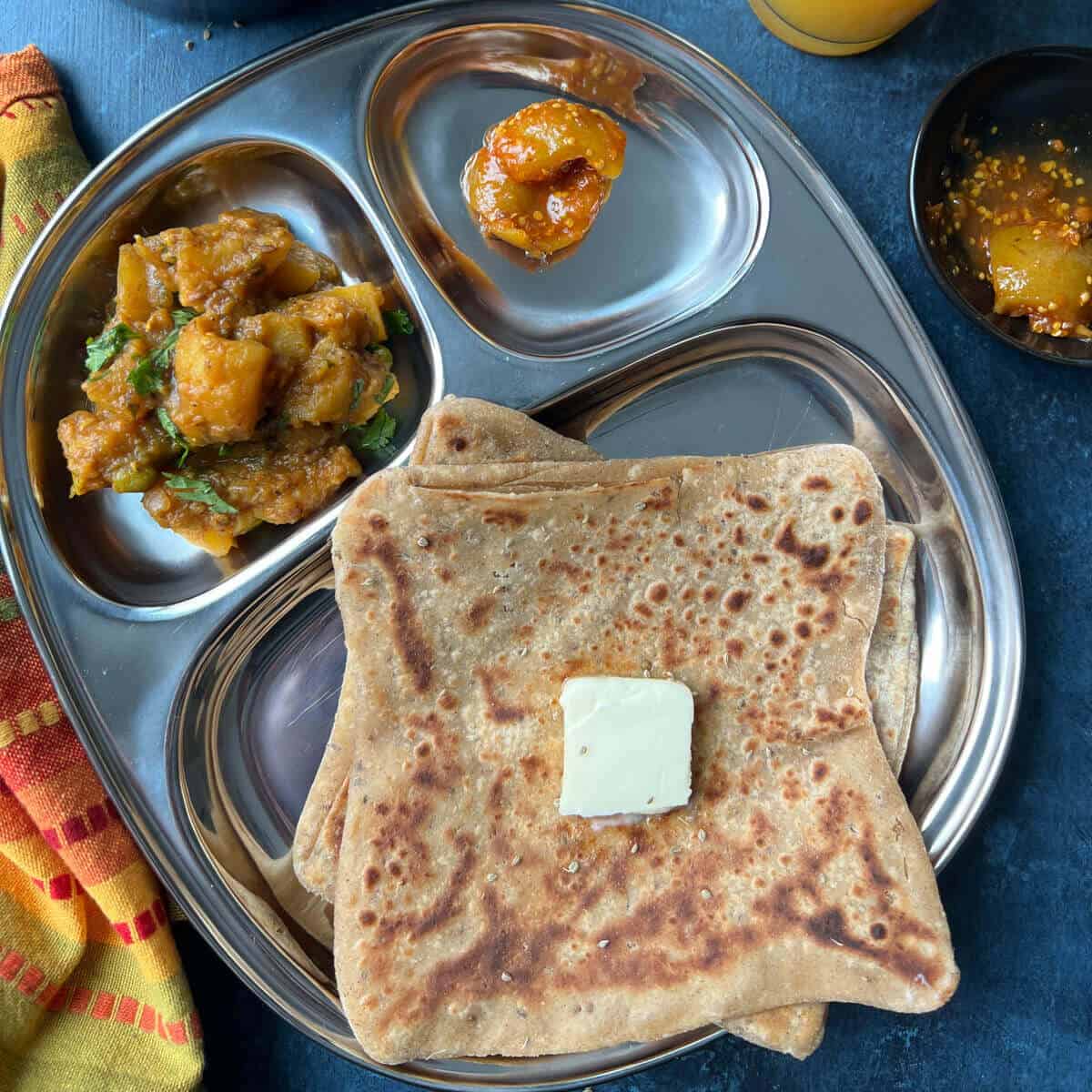
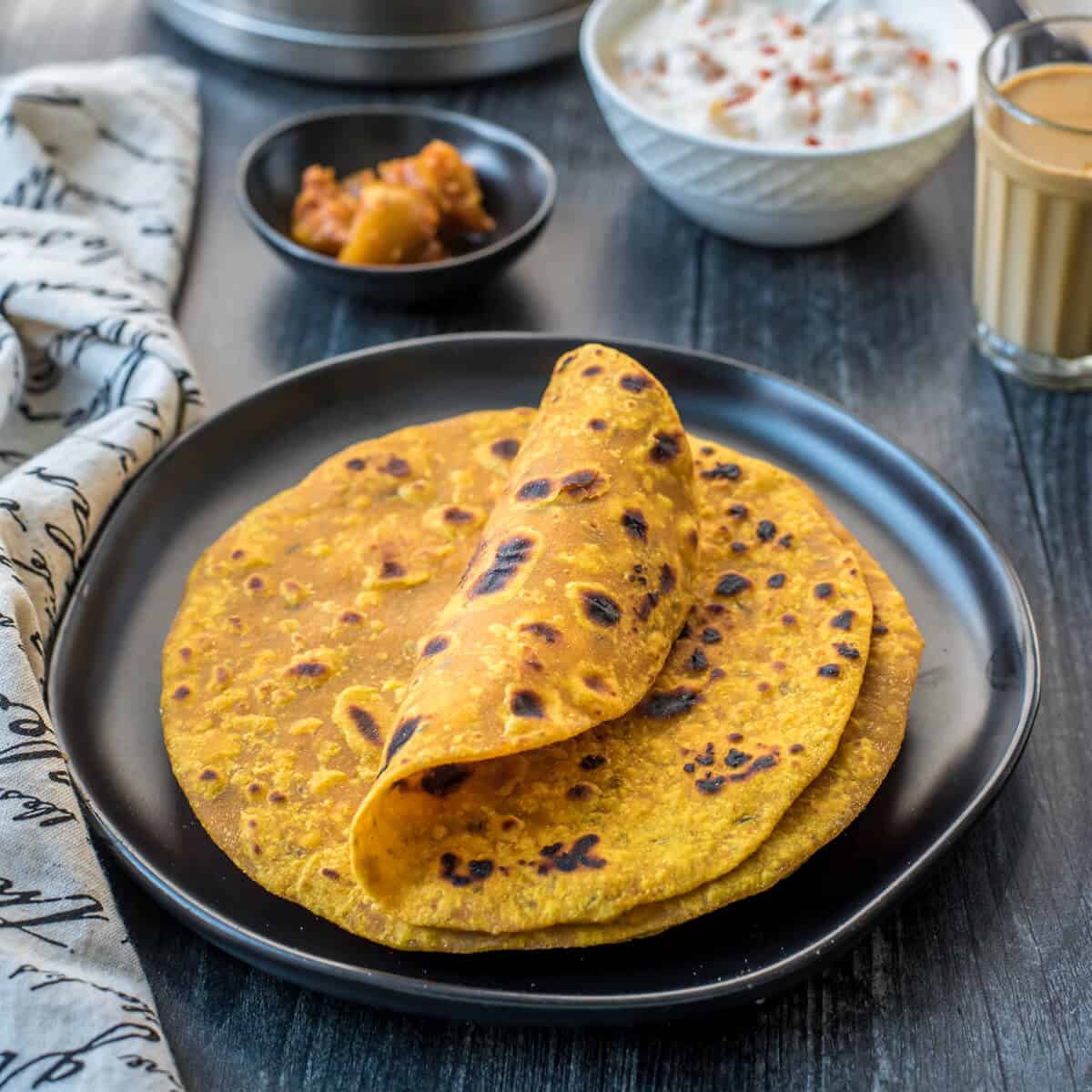
Soft roti/chapati, ajwain paratha/roti, masala paratha/roti. The daily bread of Indian home cooking. Made fresh, eaten warm, gone in minutes.
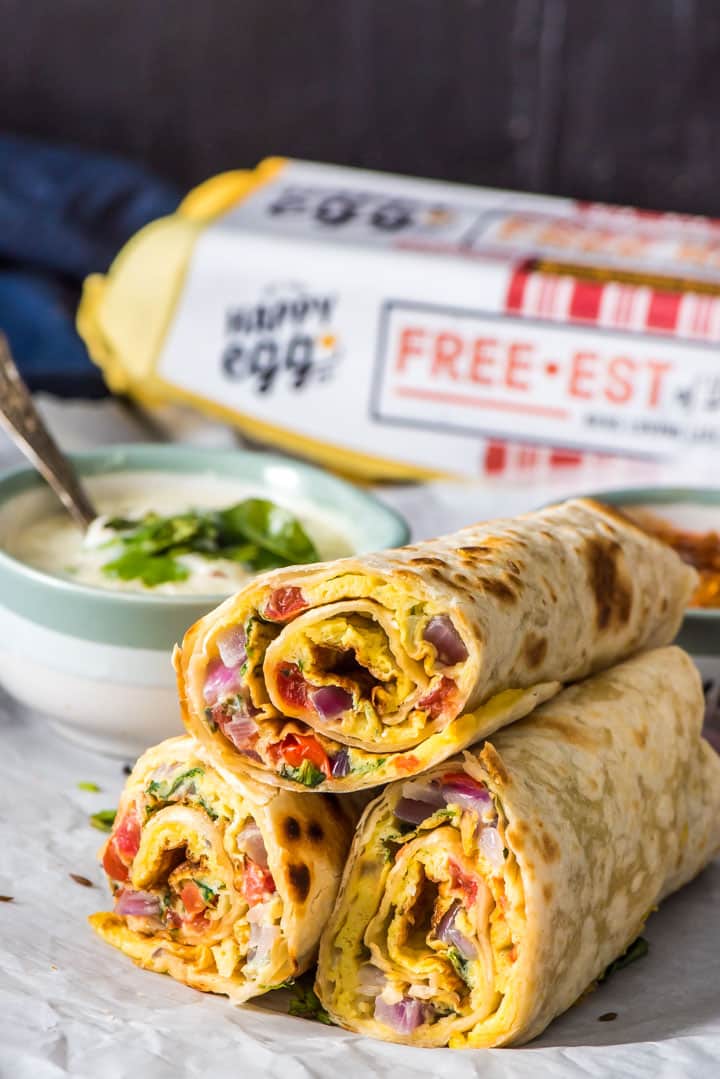
Plain and layered parathas
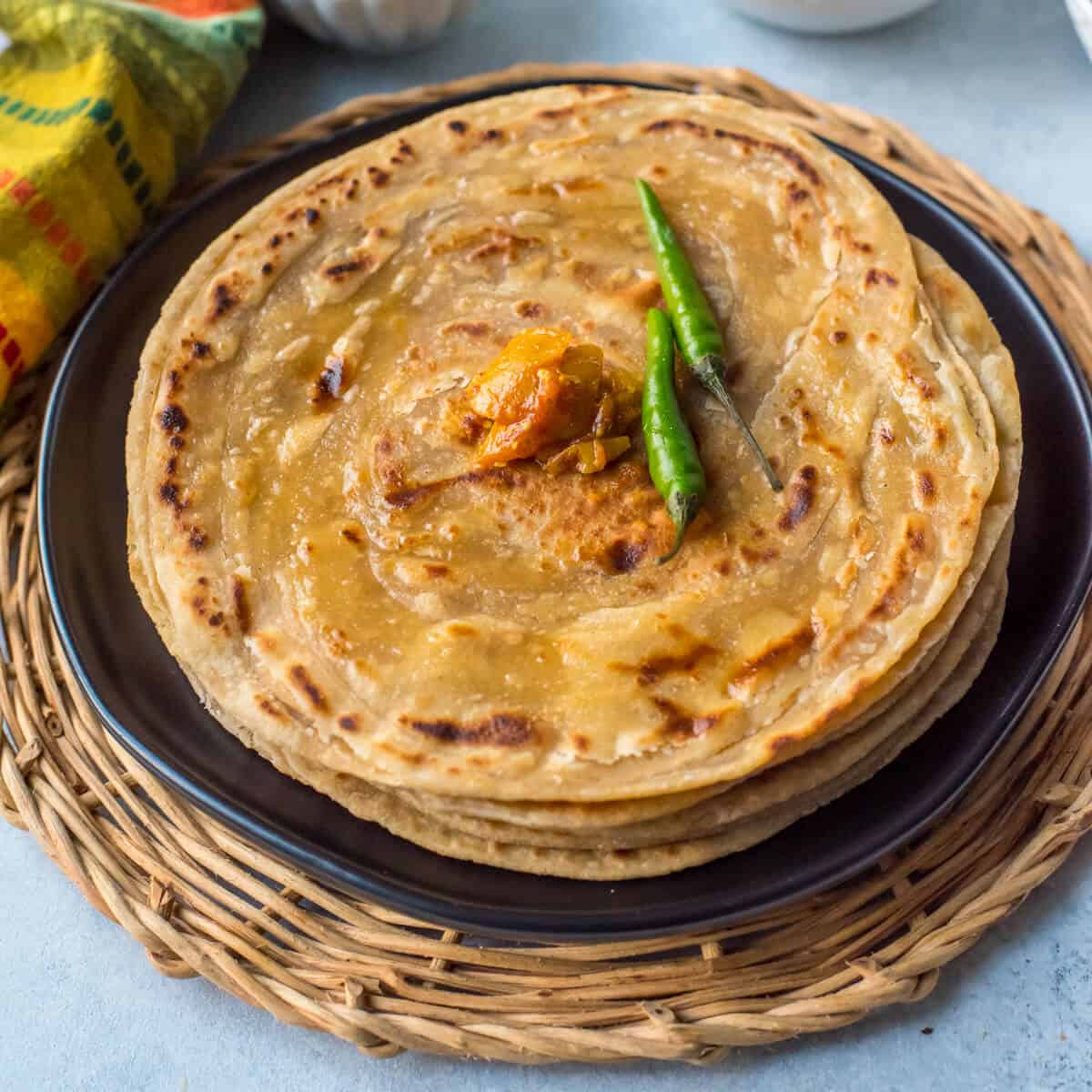
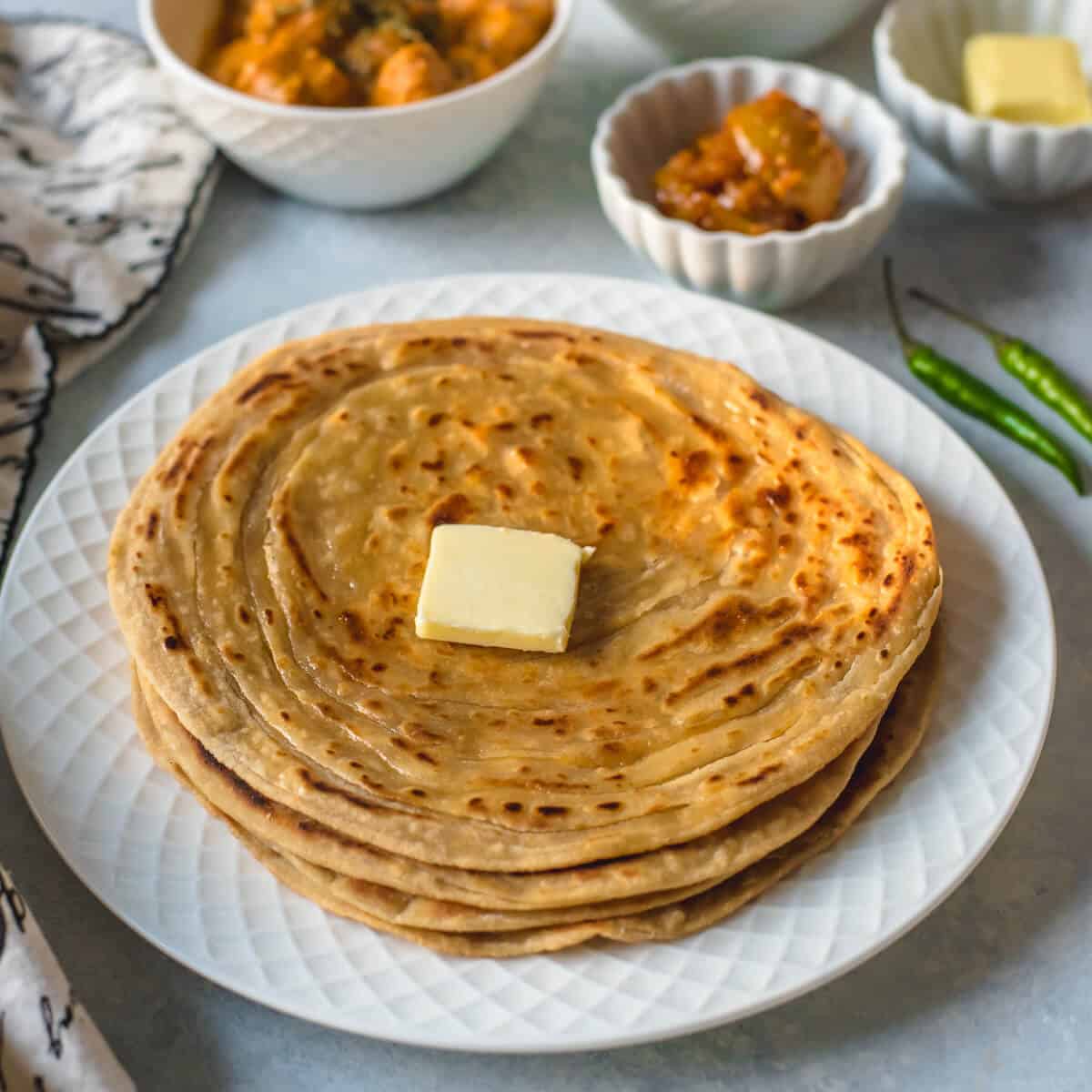
Flaky, buttery, cooked with ghee. Lachha paratha is layered and takes a little more technique, but the result is worth it.
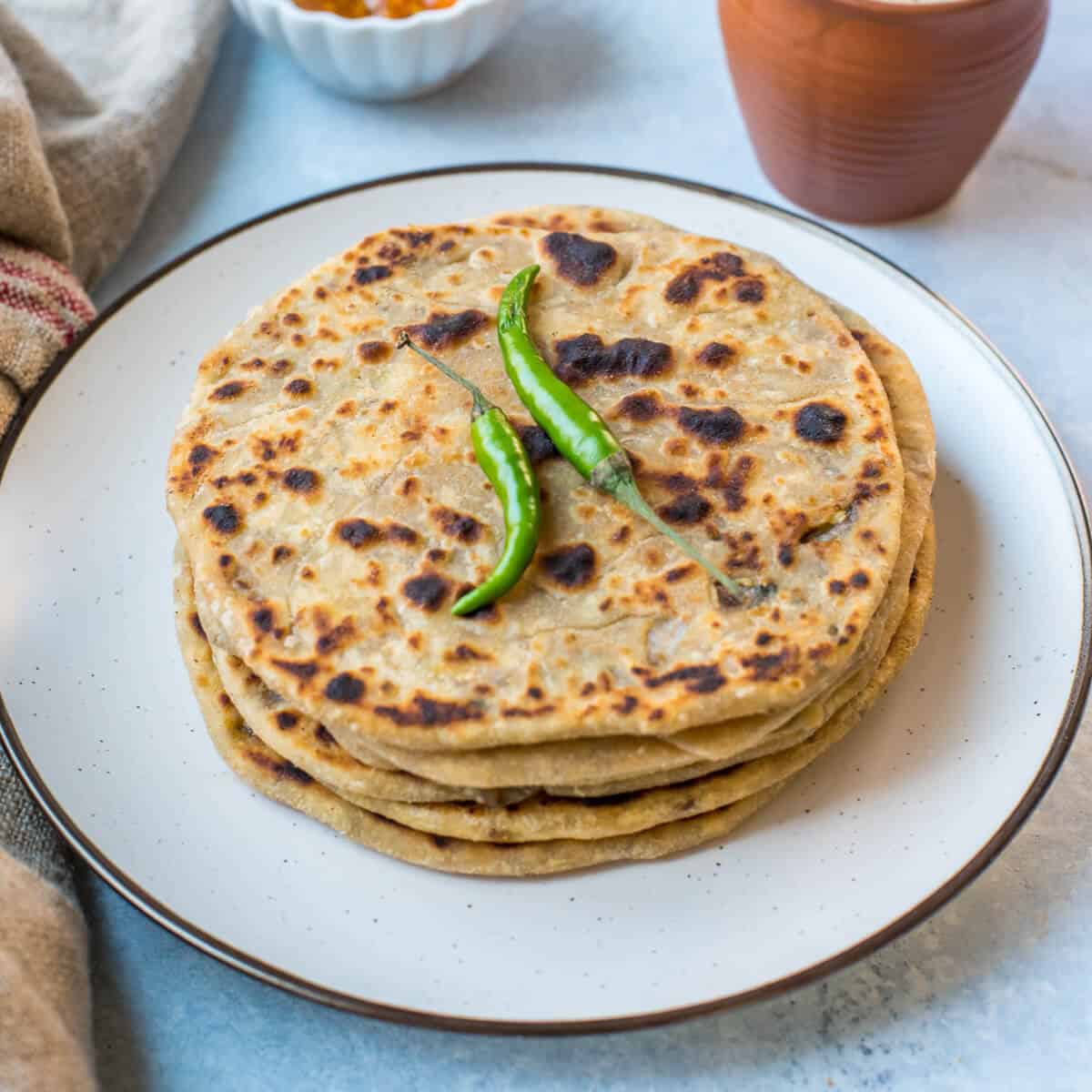
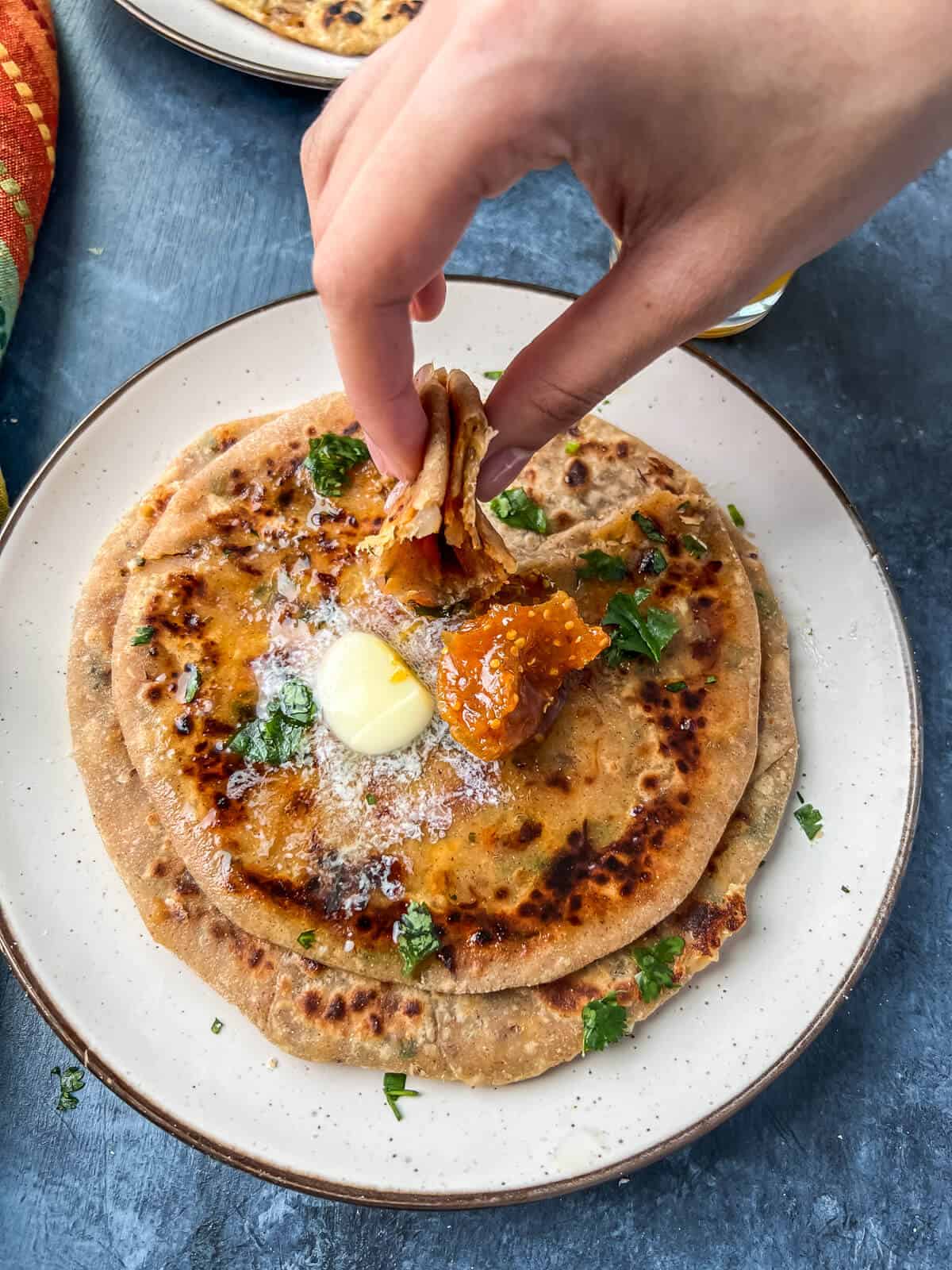
Stuffed parathas
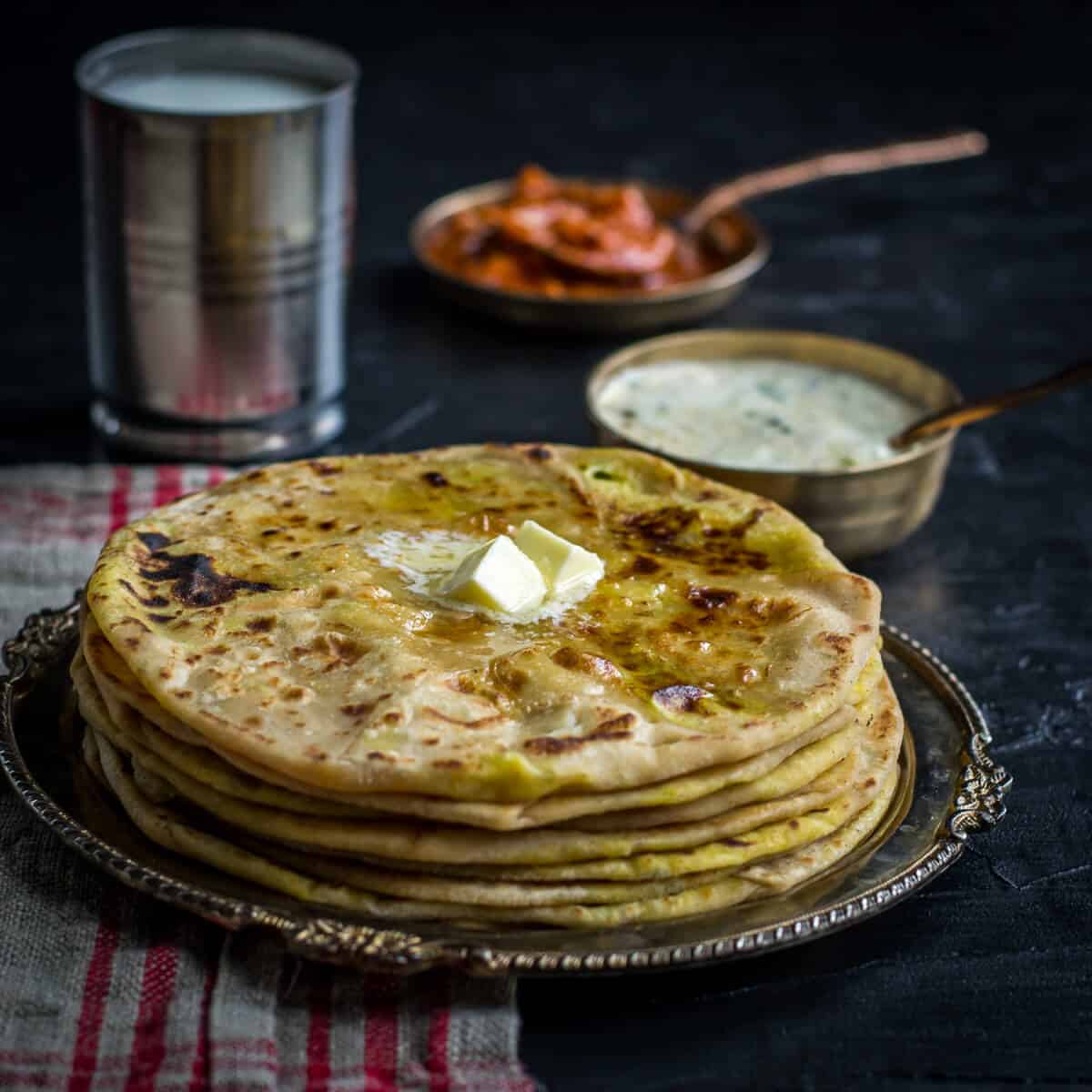
The stuffed parathas are a meal in themselves. Served with cold yoghurt, raita, and pickle. The definitive North Indian breakfast.
Flavoured parathas
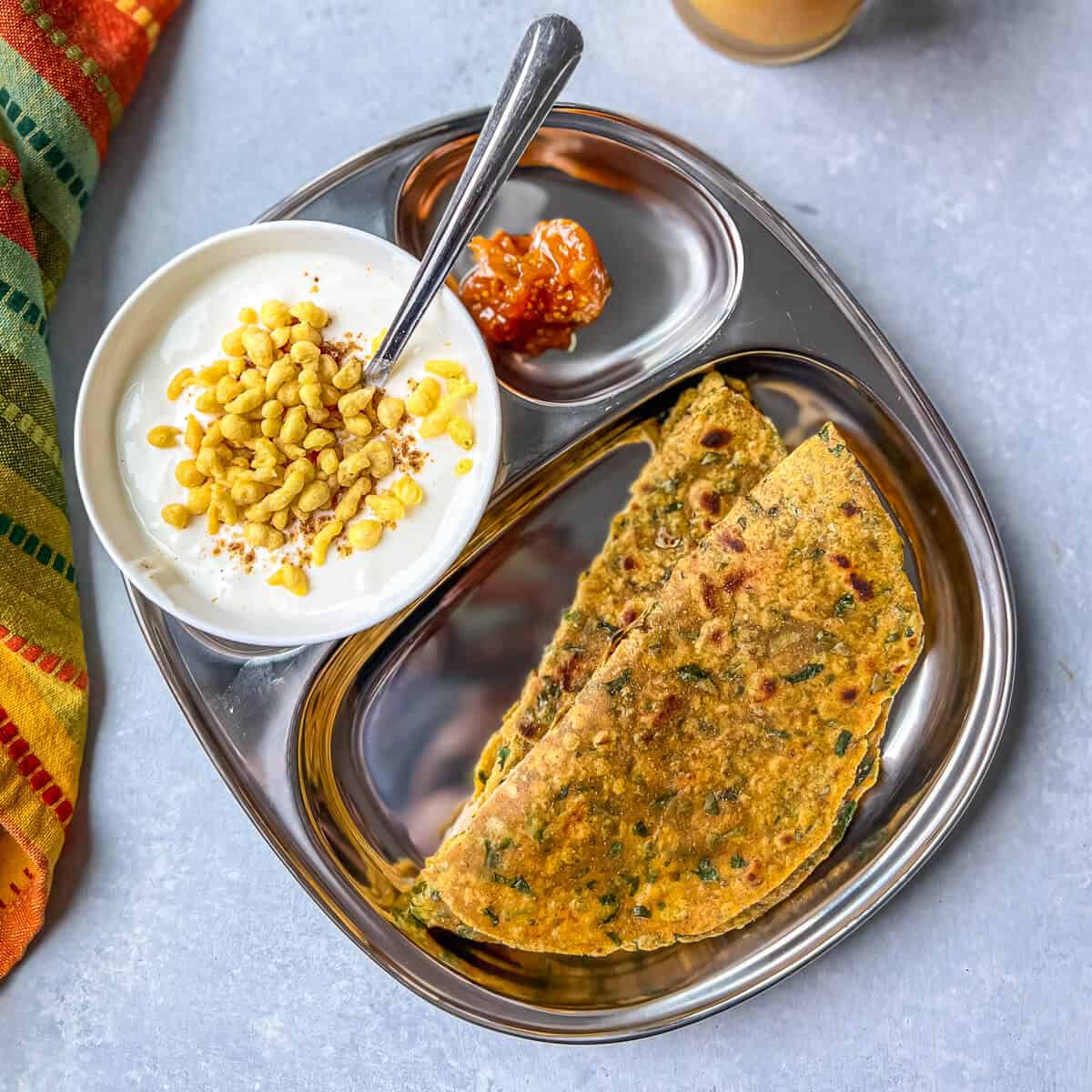
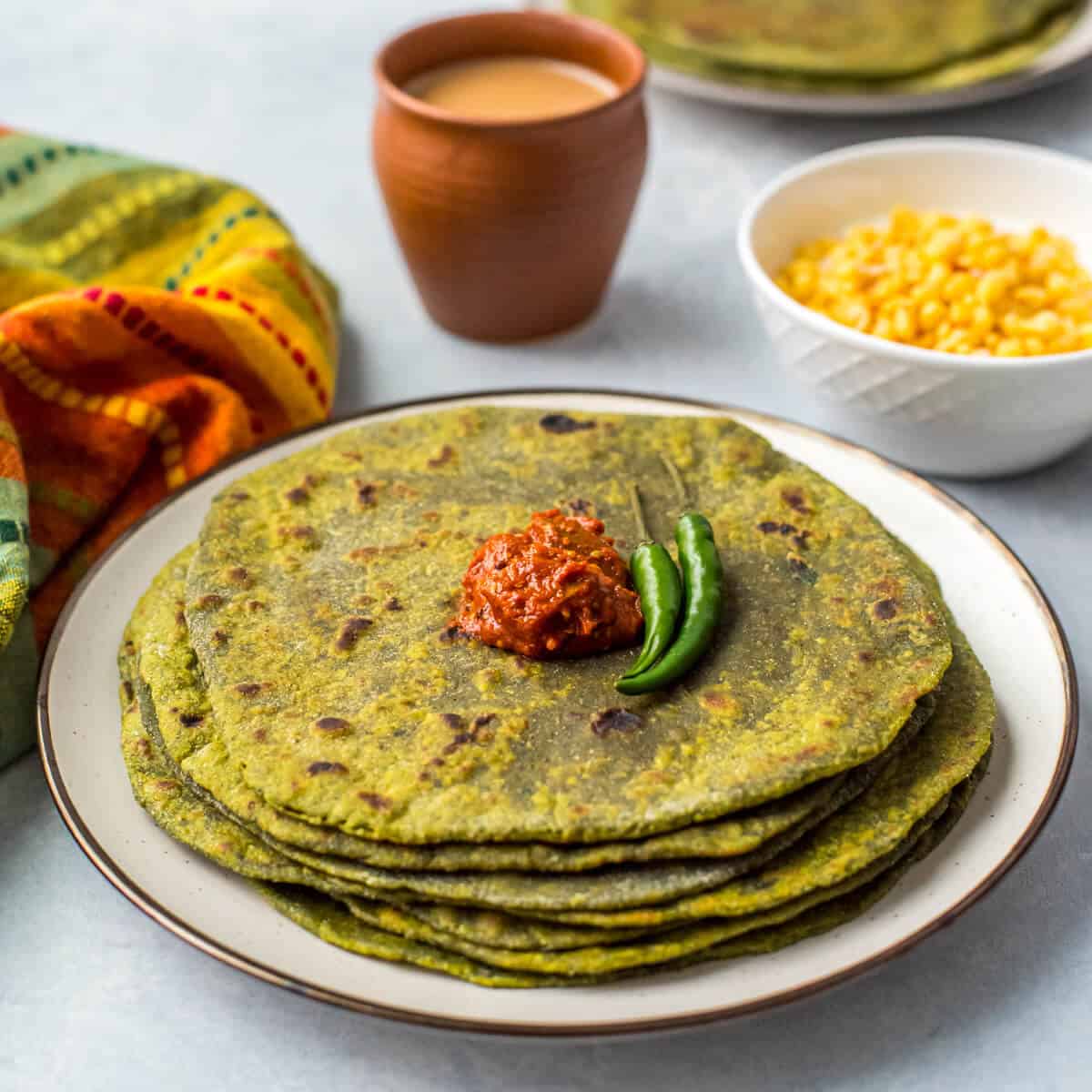
Flatbreads with herbs and spices worked directly into the dough. Thepla is a Gujarati speciality made with fenugreek, yoghurt, and spices and keeps for several days without refrigeration.
Leavened and deep-fried
Naan (plain, butter, garlic), puri. Naan is leavened with yeast and baked. Puri is deep-fried whole-wheat bread that puffs up like a balloon. Both are occasion breads and are not part of everyday meals, but are the ones that make a meal feel like a feast.
REFERENCE GUIDE
Know your flour
I remember tagging along to the chakki, the flour mill, with our household helper when I was small. Those mills barely exist anymore, replaced by the branded atta bags that sit on every grocery store shelf. A different kind of convenience. A different kind of flour.
MEAL COMBINATIONS
Build a meal around bread
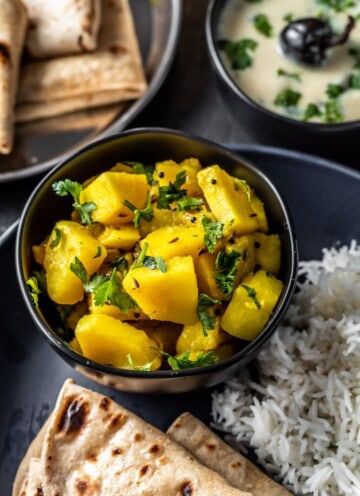
- North Indian weeknight → Roti with dal and a sabzi
- Punjabi breakfast → Aloo paratha or paneer paratha with homemade yogurt, pickle, and masala chai
- Poori meal → Puri with aloo bhaji and mango pickle
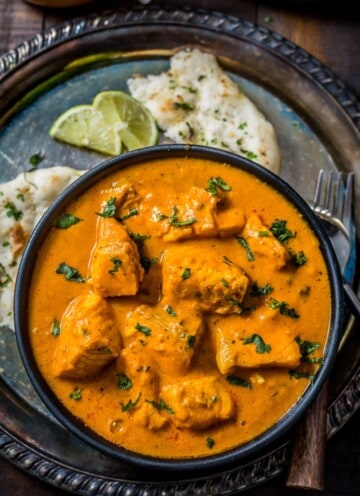
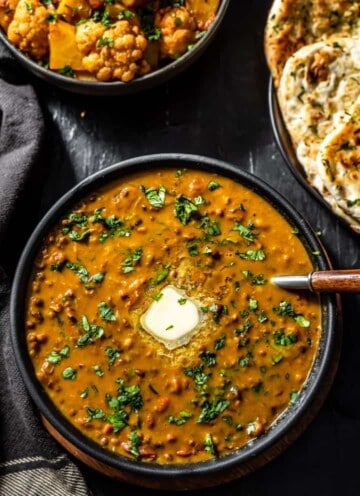
- Indulgent dinner → Lachha paratha with butter chicken or dal makhani and raita
- Travel food → Thepla with pickle and yogurt - keeps for 2 to 3 days at room temperature
FREQUENTLY ASKED
Questions about Indian flatbreads
Almost always the dough. Knead until smooth and pliable, and it springs back when pressed. Let the dough rest for at least 20 to 30 minutes after kneading, covered with a damp cloth. Cook on a properly preheated tawa on medium-high heat. The roti guide has a complete troubleshooting section.
Roti is a thin, unleavened flatbread cooked dry on a tawa, usually without fat. Paratha is thicker, cooked with ghee or oil, and has a flaky texture from folding fat into the dough. Stuffed parathas have a filling worked inside. Roti is the everyday bread. Paratha is richer and more filling.
Roti is unleavened, made from whole wheat flour, and cooked on a tawa. Naan is leavened, made from refined flour, and traditionally baked in a tandoor. Naan is softer, chewier, and slightly blistered. At home, naan is made in an oven or on a very hot tawa.
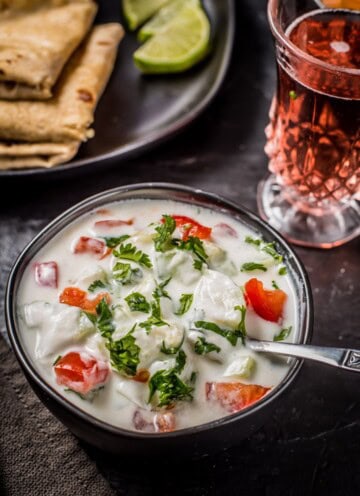
Cold yoghurt is the classic pairing, with pickle alongside. Raita works well too. Stuffed parathas, such as aloo paratha and paneer paratha, are often served with mango lassi or masala chai as a complete breakfast. They do not need a curry; the filling is substantial enough on its own.
Yes. The dough keeps well in the refrigerator for up to two days when tightly wrapped. Bring it to room temperature before rolling. You can also freeze roti dough for up to a month. Cooked rotis keep in the refrigerator for a day or two wrapped in foil - warm them directly on a tawa for 30 seconds each side.
KEEP EXPLORING
Related Collections
Every flatbread in this collection belongs alongside something else on the site. Rotis and plain parathas belong with Curries and Dal & Legumes. Stuffed parathas belong with Chutneys, Pickles & Raita for the yoghurt, raita, and pickle that complete them. Puri belongs with aloo bhaji from Sabzis (Side Dishes). And if you want to understand the dough technique before you start, the chapati dough guide in Kitchen Basics is where to begin.